
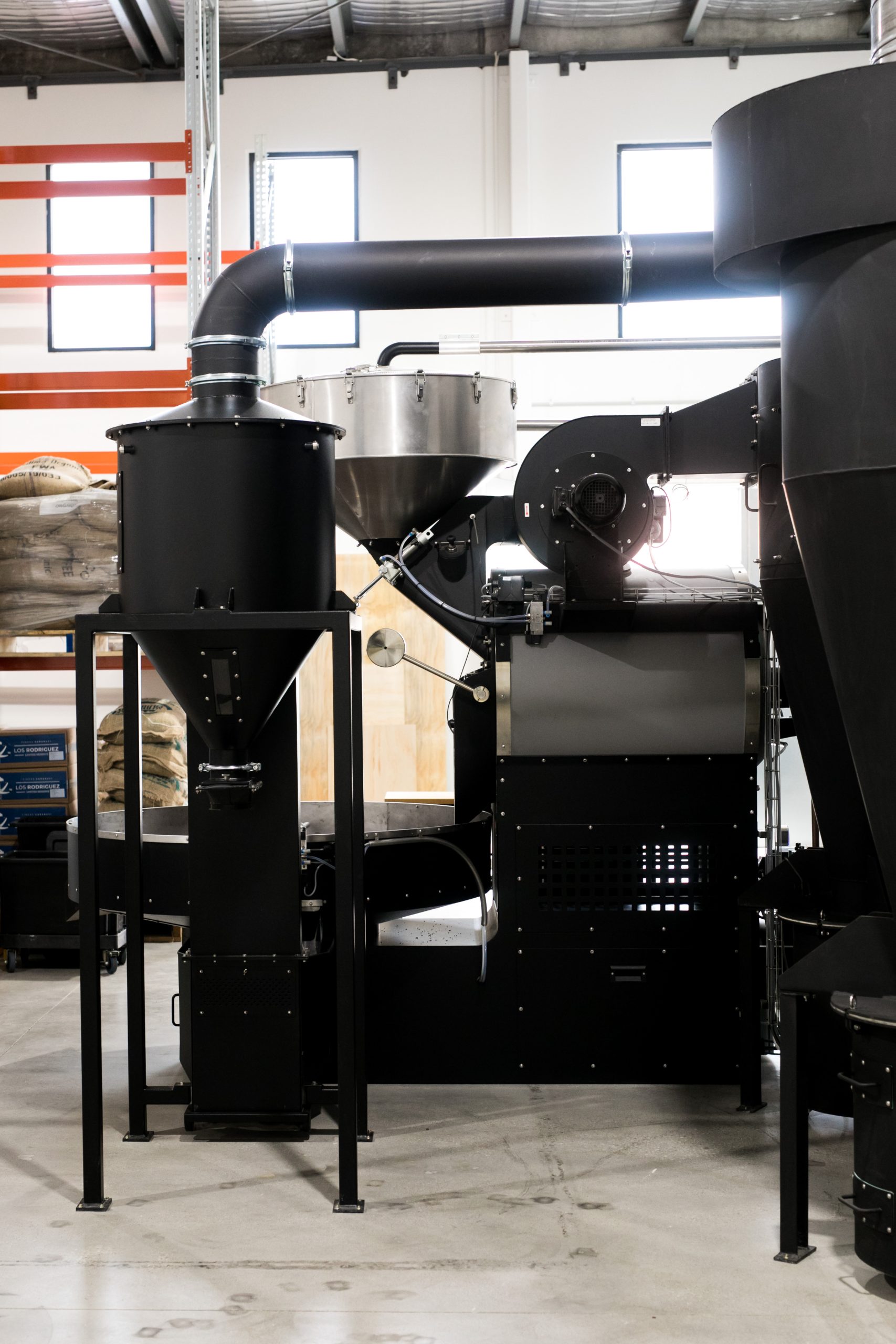

With a background in hospitality and having worked in restaurants, bars and cafes, Jason Scheltus tried his hand at multiple things before realising that coffee interested him a lot and could see a potential career there.
"I am keenly interested in beer and wine, but both beverages have been fairly well understood for centuries. Coffee is still a relatively new beverage and certainly hasn't been improved to as fine as wine or beer," said Scheltus, director of Market Lane.
His first roasting job was at a London-based cafe-roastery, Monmouth Coffee, that roasted on a 25lb Whitmee roaster, a beautiful direct flame machine running almost non-stop since the mid-80s.
Monmouth Coffee has been roasting and retailing since 1978. They have focused on supporting coffee growers with great prices to grow and sell the best quality coffee.
"Shortly after beginning to roast here, we began moving to a brand new roastery and commissioning two Italian-made Petroncini coffee roasters. This was an invaluable experience, where I saw firsthand the opportunities and risks of setting up a new coffee roastery."
Upon returning to Melbourne in 2009, Scheltus met Fleur Studd, with whom he shared a vision of buying the best quality coffee, celebrating coffee producers and championing transparency in the coffee industry.
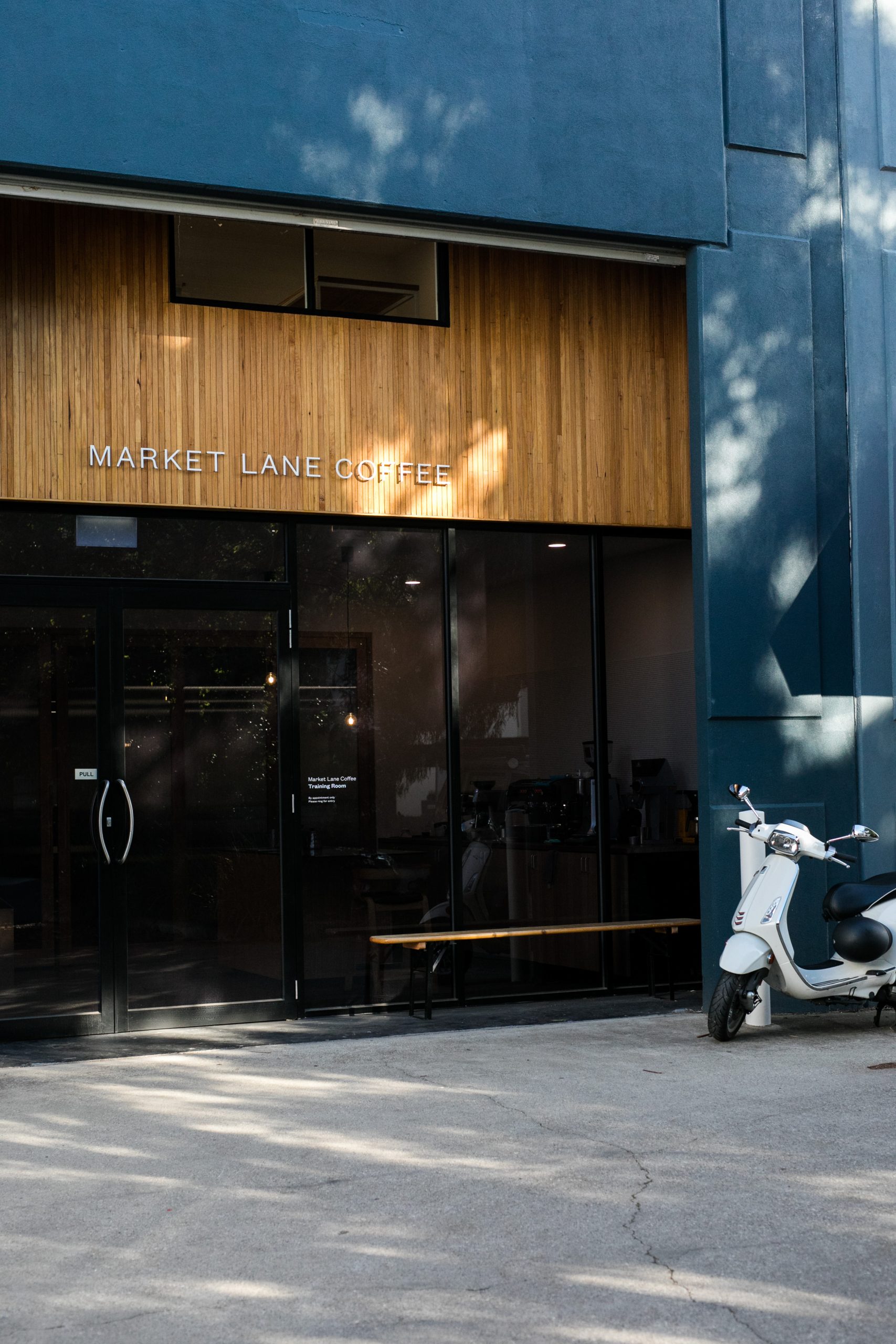
Together, the duo started Market Lane Coffee with a cafe-roastery in Prahran Market and have since grown to eight shops across Melbourne.
"The other aspect that I love about the coffee industry is the vast lengths that our community stretches. There's a particular circle between roasters and baristas close between extremely different cultures and people."
The rewarding part for Scheltus is the entire coffee journey, from visiting the farm and choosing the lot to figuring out the best way to roast and serve the coffee to customers.
In Scheltus' opinion, roasters in Norway, Denmark and Sweden hit an outstanding balance of peak flavour without adding much roast flavour, and he would love to visit one day. His favourite origin is Guatemalan, and he also enjoys Colombian coffee and unique varieties like Chiroso Caturra.
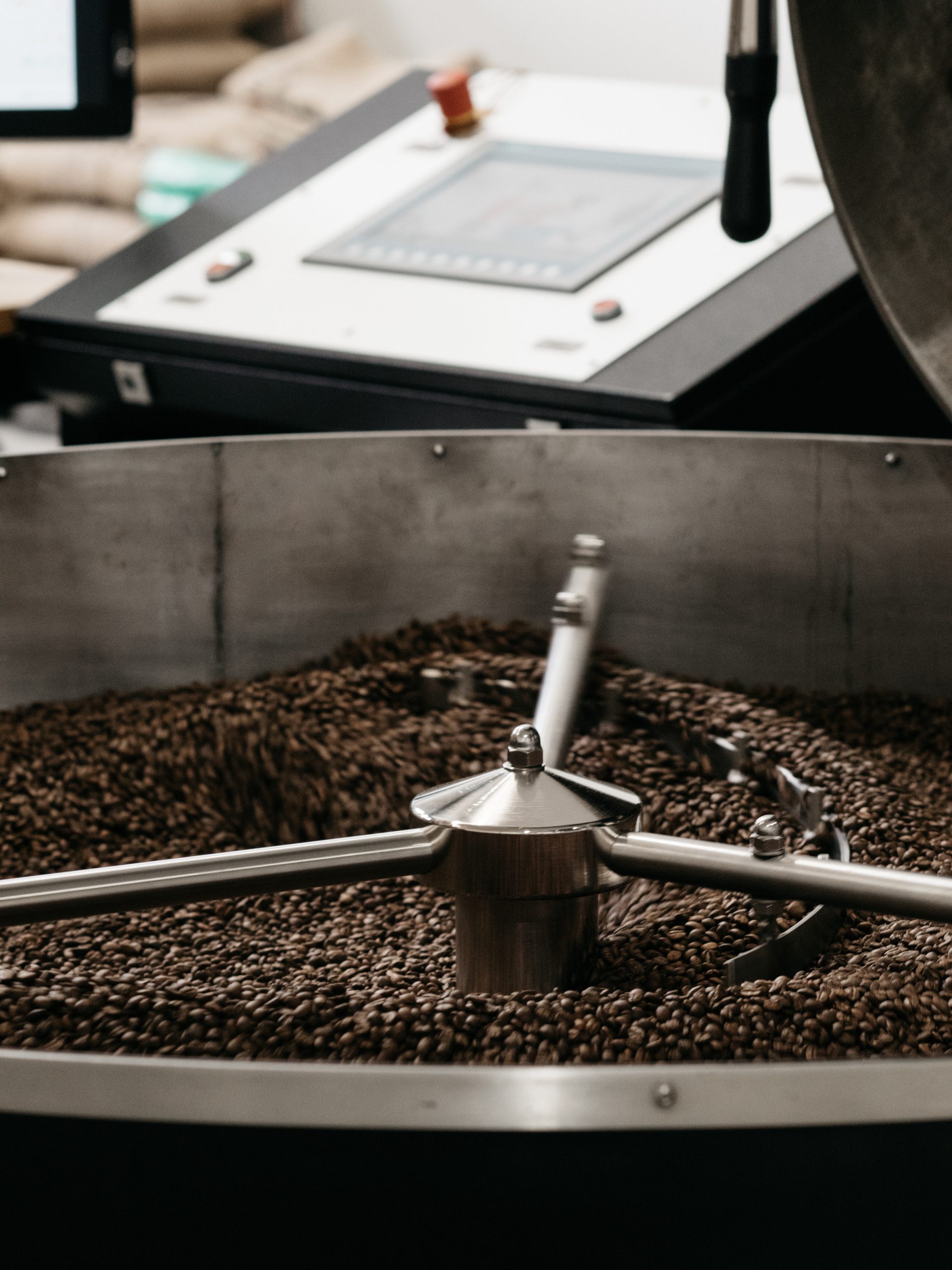
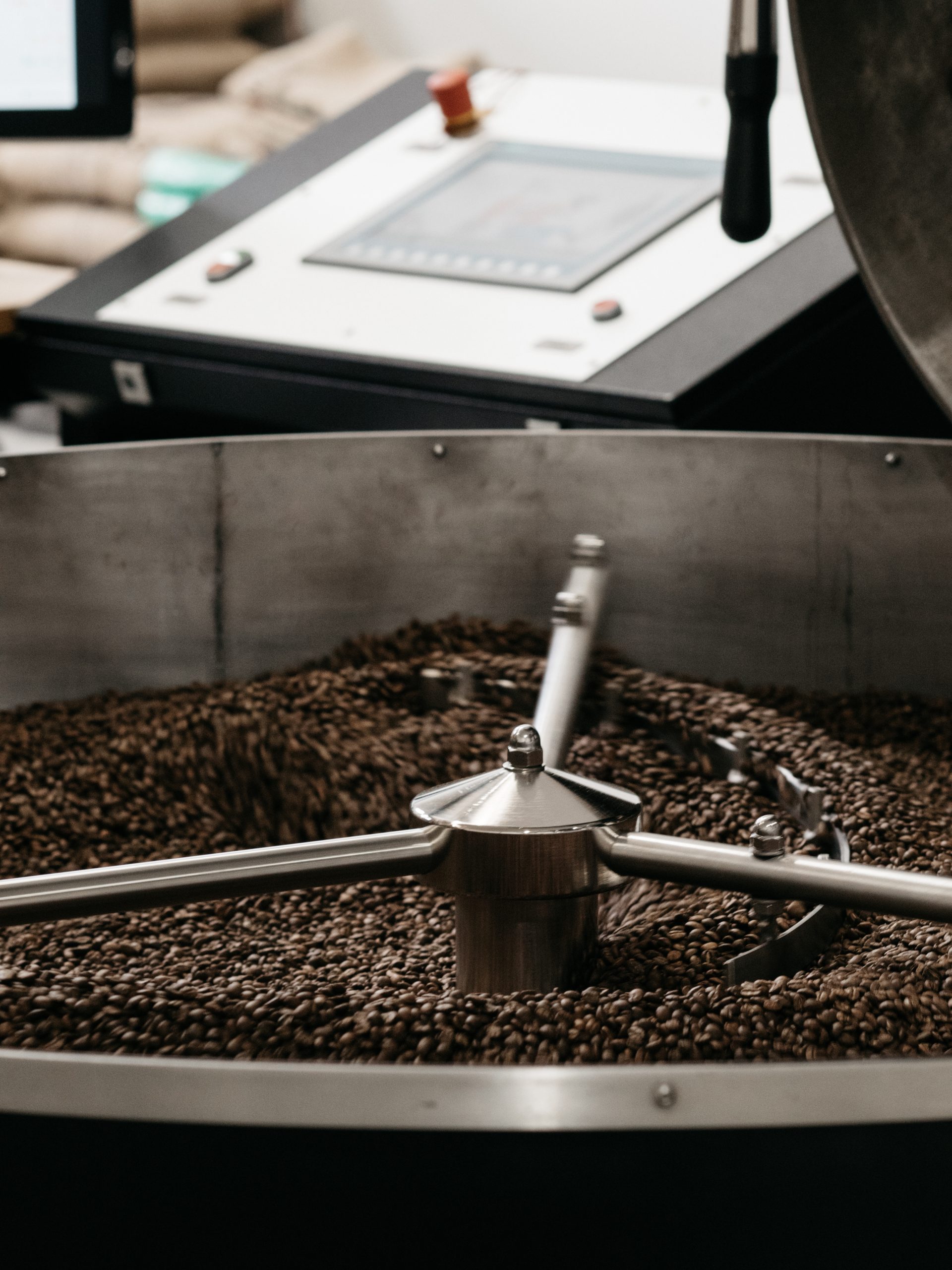
"A great roast of a coffee highlights the positive aspects of the green coffee itself. Roasters will discuss the roast's transparency, which refers to how much roast character is imparted to the coffee. The idea is that coffee is roasted well enough so all the sweetness, acidity and body are developed, but not so much that there is the harsh, acrid flavour that comes from over-browning sugars. The level this is done to is variable; there is no one "correct" roast level, and this is because the quality of the water you brew with will often influence how much roast character is detected in the cup. For example, a roast that tastes well-balanced and sweet with "hard" water will taste roasty and harsh with soft water."
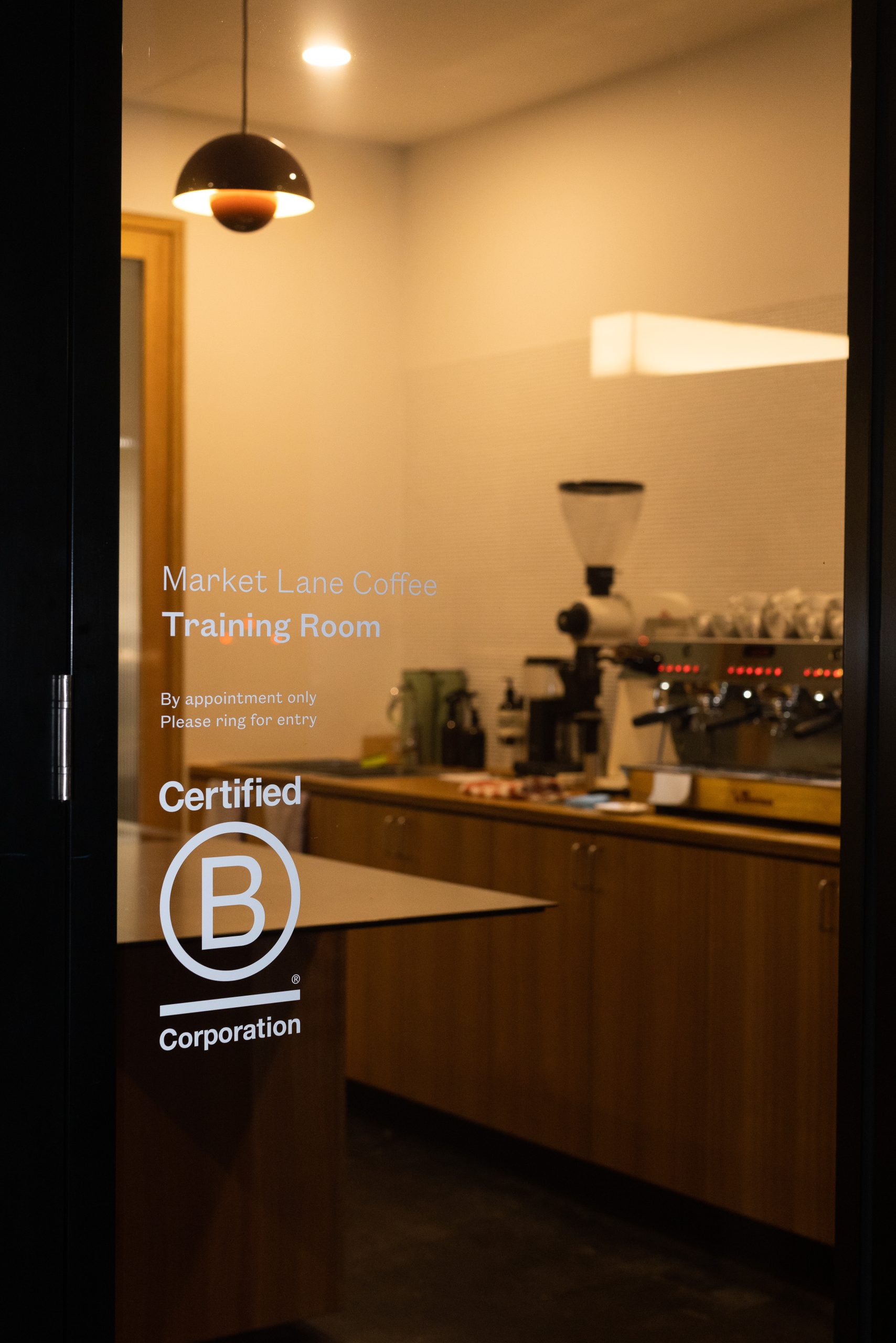
Market Lane has been carbon neutral since July 2020. They actively monitor all emissions associated with business operations, including all products, equipment, store fit-outs, and more. They are also a B Corp-certified business.
"Sustainability for us is a journey. Roasting coffee is currently done using methane as the primary combustion, which is inherently unsustainable. Hence, we are aware that things will have to change and that we will have to lead the change we want to see in the industry and community."
The roastery also supports local fundraising efforts for primary schools, kindergartens, and an Indigenous-led education-based organisation called Children's Ground, Food Bank, and the Santa Clara Scholarship Fund.
Over the years, Market Lane has made many changes to their roasting approach, especially regarding quality and improving the resulting cup. They saw the most significant improvement in quality with Cropster, a data logging software.
Another recent improvement was their between-batch protocol, which extended the warmup period before roasting, allowing consistent batches.
For those interested in coffee roasting, Scheltus recommends working in a cafe or coffee roasting company and participating in tasting events. Most roasters will happily share their knowledge and cupping bowls with anyone enthusiastic enough.
There are few opportunities to become a roaster because one operator can roast a lot of coffee, but the opportunities exist. Getting ready for these opportunities before they open up is the key to being the right person for the right job.
Photos by Abigail Varney