The global push towards self-optimisation encourages people to improve how they eat, exercise, work and live. However, the constant pressure to improve can also become overwhelming.
In their paper, Self-optimisation: Conceptual, discursive and historical perspectives, researchers Daniel Nehring and Anja Röcke described self-optimisation as a central social and cultural trend.
“The imperative to optimise our ways of thinking, feeling and interacting with others features prominently in public discourse,” they wrote.
The expanding volume of online health and wellness advice can make that pressure harder to navigate. A University of Otago study examining exercise and nutrition claims directed at women found that many were not supported by robust scientific evidence.
“Women are being misled with overcomplicated messages,” said University of Otago Professor Katherine Black, who added that individual context mattered more than many highly specific online recommendations.
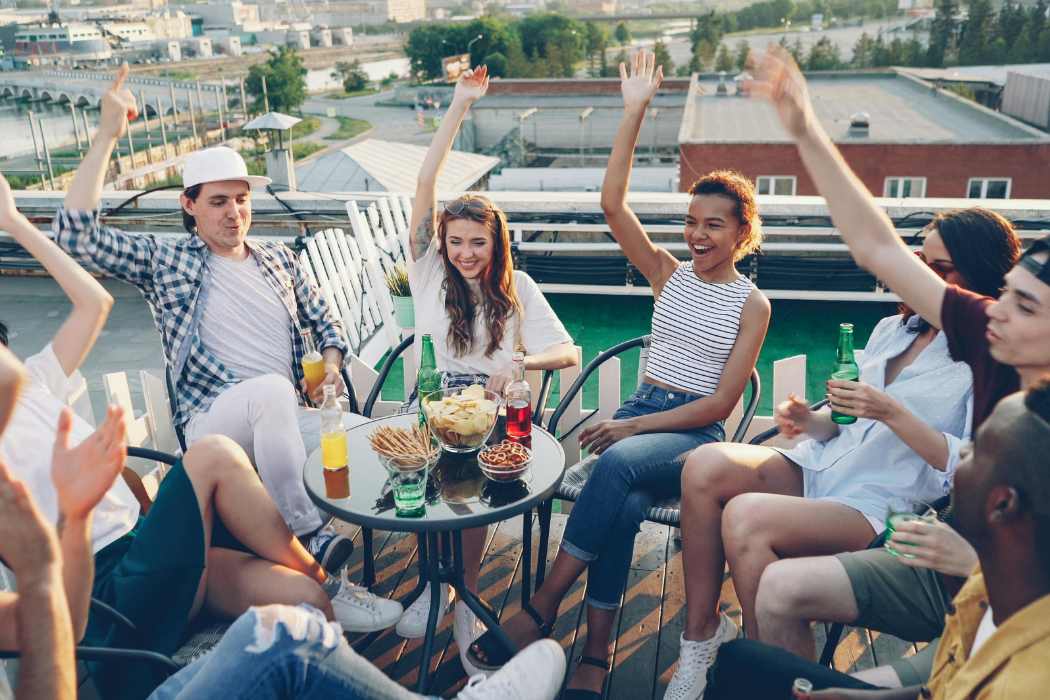
“Social isolation can be a side effect of the self-optimisation trend, which sees people trying to become the best version of themselves,” said NZABC Executive Director Virginia Nicholls.
“Drinking in moderation can sit alongside self-optimisation and support social connection.”
Beer, wine and spirits have long been associated with social occasions, celebrations and shared cultural traditions. UNESCO’s Intangible Cultural Heritage programme recognises practices including Belgian beer culture, traditional Georgian qvevri winemaking and Japanese sake-making using kōji mould.
Its heritage designations also include traditional wine-producing landscapes and practices in regions such as Champagne, Burgundy, Alto Douro, Tokaj and Piedmont.
Research has also examined the relationship between moderate alcohol consumption and social bonding. A 2017 study led by Oxford University researcher Robin Dunbar considered the role of modest alcohol consumption in social networks, happiness and conversational behaviour. Earlier research led by Michael Sayette examined the effects of alcohol on group formation, emotional expression and social bonding.
“We all know that time with friends, shared enjoyment and simple moments of connection are also important to wellbeing. That is where moderation matters,” said Nicholls.
“When consumed in moderation, beer, wine or spirits can play a positive role in social and cultural life.”
New Zealand’s drinking patterns are changing. The 2024/25 New Zealand Health Survey found that 74.9 percent of adults had consumed alcohol during the previous 12 months, down from 81.6 percent in 2019/20.
The proportion of the total adult population classified as hazardous drinkers fell from 21.3 percent in 2019/20 to 16.6 percent in 2024/25. The proportion drinking six or more drinks on one occasion at least weekly also fell, from 12 percent to 8.2 percent over the same period.
Stats NZ figures show a longer-term decline in the amount of alcohol available for consumption. Consumption per adult fell from 11.599 litres of pure alcohol in 1986 to 7.618 litres in the year ended March 2026, a decline of about 34 percent.
Health New Zealand’s low-risk drinking advice recommends no more than two standard drinks a day and 10 a week for women, or three standard drinks a day and 15 a week for men. It also recommends at least two alcohol-free days each week.
People who are pregnant, planning a pregnancy or breastfeeding are advised not to drink alcohol.
“For many New Zealanders, having a beer, wine or spirit with friends and family is part of how they connect, celebrate and mark important moments,” said Nicholls.
“Moderation and connection can sit comfortably alongside a healthy and balanced lifestyle.”
Read more here.