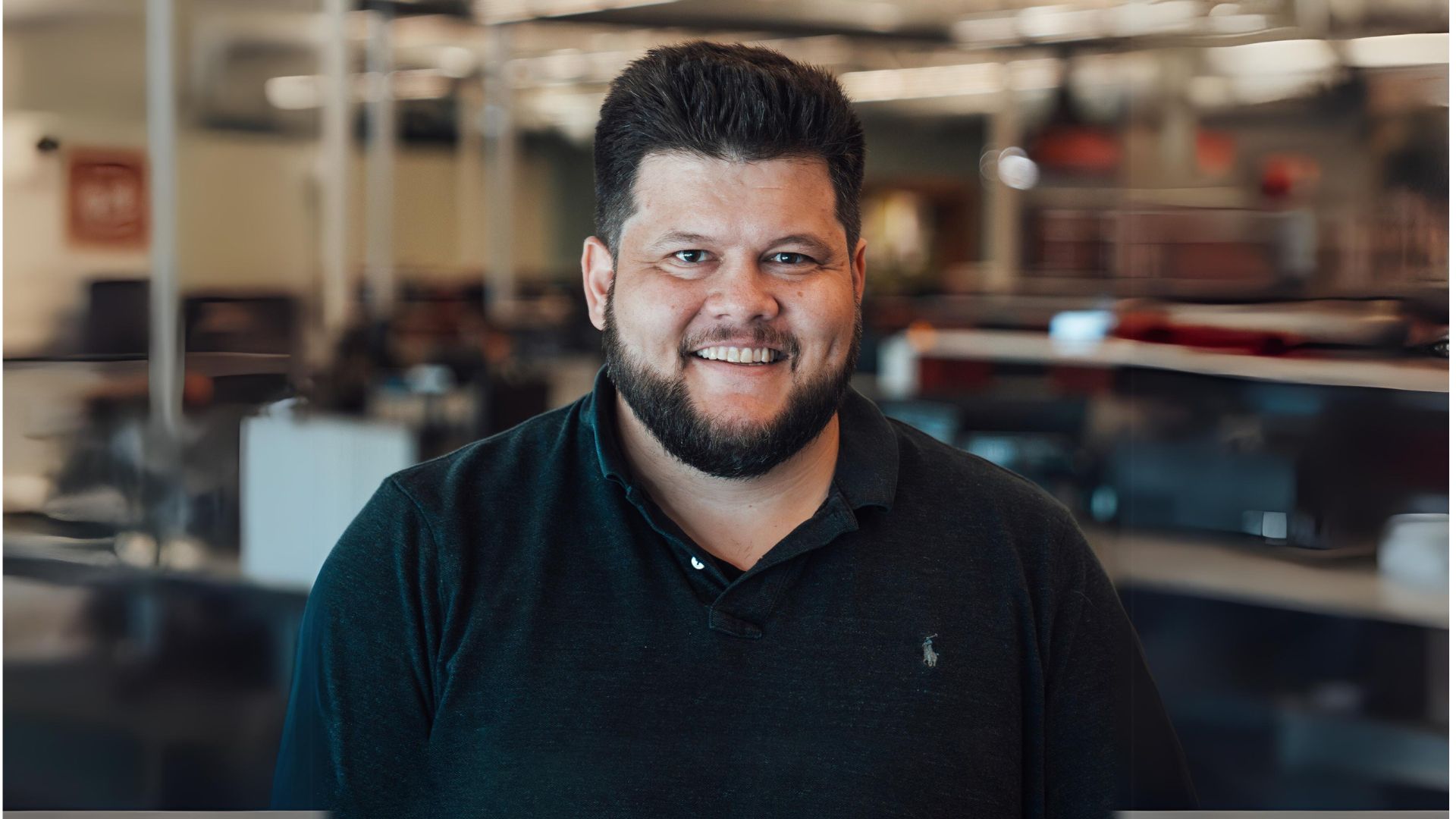
USA | Industry leader Steven Baker has said that hospitality businesses focus too much on being 'fast' and not 'casual' enough.
As fast-casual operators increasingly turn their attention to the "fast" side of the equation, they need to stay "casual," too, advises a veteran hospitality architect from HFA Architecture + Engineering. Hospitality lead Steven Baker noted that top fast-casual brands aim to support their digital sales channels by experimenting with digital makelines, rationalised menus, ramped-up drive-thrus, and geofence-enabled curbside service.
But Baker underscored the importance of continuing to offer the hallmarks that set fast-casual restaurants apart from their QSR counterparts—namely, a better ambience, more made-to-order options, superior food quality and a pleasing and comfortable dine-in experience.
"Push efficiency too hard and you risk becoming indistinguishable from value-based QSRs, thereby losing your ability to command higher price points," Baker observed.
"Plan poorly and your attempts to better serve multiple channels can backfire, frustrating customers and crew members alike."
The architect, whose clients have included some of the United States' largest and highest-volume restaurant operators, notes that additions such as new drive-thru lanes or pickup areas typically demand corresponding subtractions. Otherwise, costs could mushroom.
He pointed to a hypothetical fast-casual operator where too many dine-in customers feel frustrated as they stand in line and watch crew members make online orders. One possible solution would be a separate queue, assembly line and pickup station dedicated just for app-driven sales. But the restaurant would need to think carefully about questions such as:
- Where exactly would the new components go?
- Would the building need to be expanded, or could it just be reconfigured?
- Could the required equipment be sized to work optimally in the square footage available? How much would it cost?
- Would new utility connections be part of the mix?
- How much labour would be needed to keep the new lines humming?
He said that small steps can be useful.
At one high-volume QSR location in Maryland, moveable stanchions allowed the restaurant to roll out temporary queues and test multiple layouts.
"Instead of immediately adding a double drive-thru, a fast-casual restaurant might start with more modest building and site-layout changes—for example, a pickup window with a small queue lane—that improve efficiency at a lower cost."
As fast-casual brands seek to optimise their sites and stores, Baker said there is no substitute for imagining in great detail where patrons and team members would go and what they would do.
More news here.