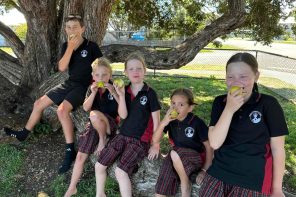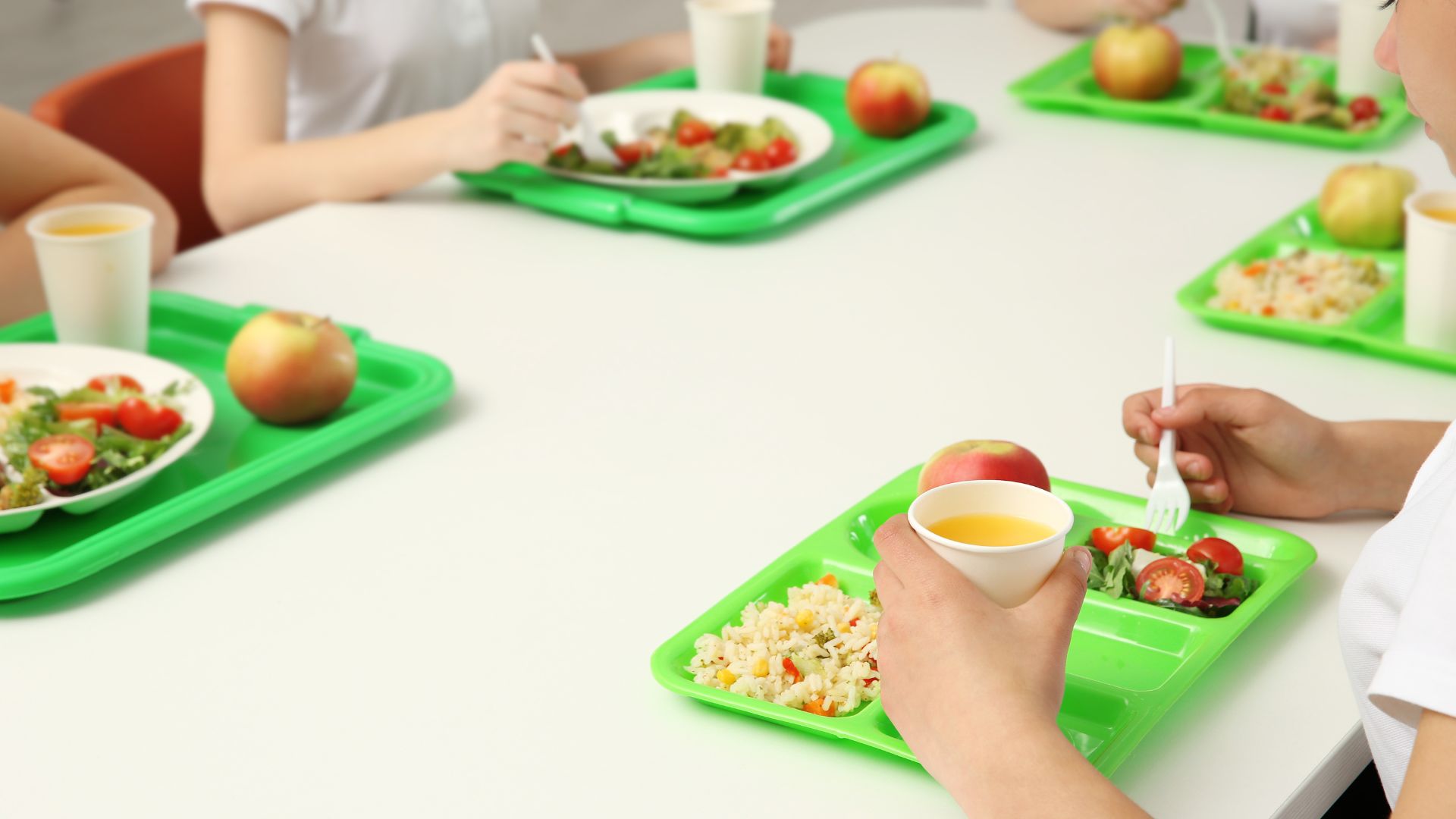
Children have said 'Yes' to free lunches following a recent survey regarding the Ka Ora, Ka Ako programme.
More than 3300 children support keeping Ka Ora, Ka Ako free lunches in a Save the Children survey, despite the Government signalling potential cuts to the Healthy School Lunches Programme.
Results from Save the Children’s poll show 95 percent of the approximately 3500 children aged between five 17-years surveyed are in support of “keeping” or “expanding” the programme, while just three percent of children surveyed (94 children) are in favour of removing the programme and two percent (80 children) “don’t know”.
Tamariki had their say by individually completing an online poll, or with the support of their teachers completing the poll as a class, and 155 children voted in person via polling booths at events in Tāmaki Makaurau Auckland and Ngāmotu New Plymouth.
Comments from the children who engaged in the poll showed just how important the Healthy School Lunches Programme is to them and their peers.
“Sometimes we don’t have enough food to bring much lunch. Sometimes, we run out of food at home. There is only dinner sometimes,” one participant said.
“It’s a really good programme that helps,” said another. “Some of my friends don’t have enough food at home, which helps them not be hungry.”
“It is great that we get kai every day. Sometimes, the free lunches aren’t that great. I like having Kai all the time. My lunch is yummy most of the time. Why do we have to have salad? At home, we don’t have much food, so it’s good when I come to school and know that there will be a kai for me to have.”
Save the Children New Zealand Advocacy Director Jacqui Southey said the programme is an investment in children’s well-being and school achievement and directly supports families struggling with the cost-of-living crisis.
She said children have the right to be meaningfully consulted on Ka Ora, Ka Ako, and their views should inform decisions related to any changes to the programme. The results are being shared with politicians.
“Despite being most directly impacted by changes, children’s voices have not been heard. Our Children’s Voices polls have allowed them to have their say. We hope government decision-makers will listen, take on board their feedback, and consider the positive benefits of the programme for children in Budget 2024 spending decisions.
“While Save the Children agrees that food waste minimisation is important, we do not support changes to the programme that could stigmatise children, such as targeting individuals. Instead, looking to alternatives to reduce waste, such as providing greater choice, child consultation on menus, and further training for kitchen staff and kai providers, could improve an extremely effective programme.”
The children polled also gave suggestions on how to improve the programme to make it more appealing and reduce waste, including adding more variety of food, a choice of menus, placing an order the week before, more fruit, and extra hot food options. Children showed they are aware of the programme's importance and that cuts or reductions will be detrimental.
“Consider the negative impact removing this programme will have on this generation and generations to come,” said one participant.
“What will they miss out on achieving or providing for their communities and families in the future due to you cutting this cost and opportunities for them today? Then, consider the cost the government may have to pay in the future due to the possible cost savings today. Suggest the future costs and impact will outweigh today's cost and benefit impact.”
One respondent who voted for removing the programme suggested that if the school free lunches programme is reduced, the funds saved should be reinvested into other initiatives, such as school gardens.
Ka Ora, Ka Ako is an investment rather than a cost, providing around a million free lunches nationwide each week to more than 230,000 children in 998 schools and kura. Supporters of the programme say it improves children’s wellbeing, health and learning and supports children living in poverty. It is a tangible way for the Government to fulfil promises to reduce the cost of living, improve achievement and attendance rates, and reduce reliance on cheap, unhealthy food while supporting local jobs and food systems.
More news here.