Playing with fire: the uncertainty of 2025 is expected to continue to cast a shadow over businesses in 2026, despite a shift toward optimism.
The uncertainty of 2025 will persist in 2026, requiring operators to rely on their creativity and adaptability to stay agile in the shifting operating environment. This will mean balancing restrained consumer spending and elevated costs by leveraging technology to create efficiencies that bring down costs and free up staff to focus on consumer experiences.
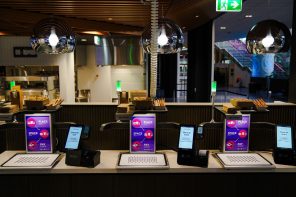
Operators will be focused on investments in innovative solutions like digital ordering and payments, loyalty programs, automation, and targeted marketing that are strengthening guest engagement and removing friction points from the dining experience.
When it comes to the workforce guiding the consumer experience, operators are committed to building skilled adaptable employees through training and technology. This investment continues to shape the entire U.S. workforce, because more people have worked in restaurants than in any other industry, highlighting the industry's role in individual career growth.
All of this comes together to serve a customer hungry with curiosity and looking for value, not only in price, but in experience.
"Success for operators this year will hinge on their ability to get the math right in a still‑challenging economic environment," said Dr. Chad Moutray, Chief Economist for the National Restaurant Association.
"After a year when 60 percent of operators reported softer customer traffic, there is cautious optimism for improvement. At the same time, operators remain laser‑focused on controlling costs while delivering value and providing satisfying menu innovation that resonates with consumers."
Operators remain cautiously optimistic, even as rising costs and softer traffic persist. Many operators expect sales to hold steady or improve this year, and the Association forecasts modest real sales growth of 1.3 percent.
Consumers have strong pent-up demand for restaurant experiences. More than seven in 10 consumers say they would use restaurants more frequently if they had more disposable income. This desire is especially strong among Gen Z and millennials, who continue to lead the industry's off-premises growth.
Restaurant and foodservice employment is projected to reach 15.8 million jobs in 2026. Nearly three-quarters of operators plan to hire but expect difficulties finding experienced managers and chefs. Longer-term labour force challenges, particularly the shrinking 16-to 24-year-old population, underscore the need for sustained workforce development and immigration reform.
Subscribe to the Restaurant & Café newsletter for weekly industry updates and event coverage.