Accessibility is driving a new era of guest loyalty, and brands across the United States are using subscription programs to tap into all of it.
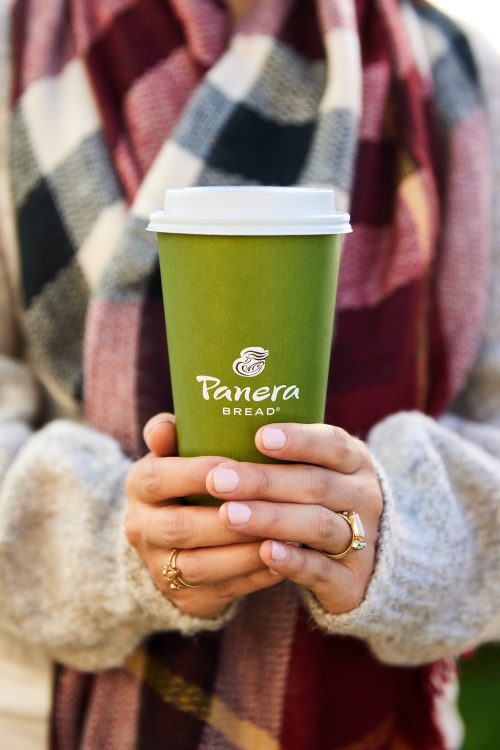
Panera Bread signed up 800,000 customers during the early months when it launched its coffee subscription program in early 2020. More recently, Caribou Coffee followed suit and fast casual Urban Plates jumped onboard. Taco Bell even tested a 30-day taco subscription last year.
Caribou Coffee launched its program in September, creating a nationwide coffee delivery service for craft-roasted coffee ground to consumer’s specifications. K-Cup Pods, teas, and ready-to-drink canned beverages were also available. The Midwest-based coffee chain long had an informal subscription offering, but it was historically done via phone. This is the first time the platform was rebooted to be available on the web.
“It really came down to the fact that we know we're a Midwest concentrated brand, and we know that our guests everywhere love our coffee and love our brand and wanted to be able to experience it in their neck of the woods,” explained Erin Newkirk, VP of brand strategy at Caribou Coffee.
With the formalised subscription, consumers from more states could experience Caribou Coffee at home any time, widening Caribou’s scope of market penetration.
Urban Plates’ Plate Pass is a monthly subscription that makes every menu item $11 or less for a fee of just $10 a month.
Urban Plates began testing “Plate Pass” in the second half of 2020 and officially rolled out the offering in June. The undertaking stemmed from the brand’s original mission: to make healthy food accessible.
Subscription programs are flowing at a time in which many restaurants continue to seek out customer loyalty to boost profits.
Several thousands signed up for Plate Pass. Guests on the subscription plan are visiting four times a month whereas before they may have only bought food from Urban Plates once a month, according to surveys. Satisfaction was reported as extremely high, noted Urban Plates founder, Saad Nadhir.
The brands that took the opportunity during COVID to update technology that deals with serving consumers are the ones that will ultimately thrive. The way people accessed Urban Plates changed during this time: on premises business that used to be 70 percent transitioned to now be only 40 percent.
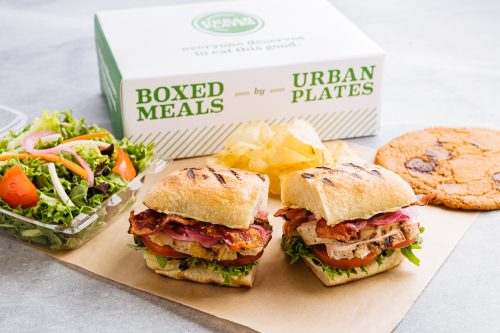
Yet what’s really changed is how Urban Plates gets orders in so many different ways: over the phone, in person, online ordering, and third-party delivery. Nadhir predicts restaurants that understand these modes of distribution best and can ensure they are frictionless will have the most success.
As long as companies continue to prove value, the subscription program is here to stay in the restaurant industry’s tools of disposal. But connections will continue to set restaurants apart from their competitors, whether it’s at the drive thru, pick-up or through online ordering.
“That consistency and that personalisation I think is going to continue to be a huge trend in the restaurant business,” concluded Newkirk.
“The companies that are going to succeed are the ones that make their guests and their team feel really special.”