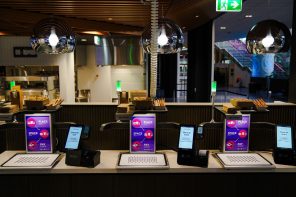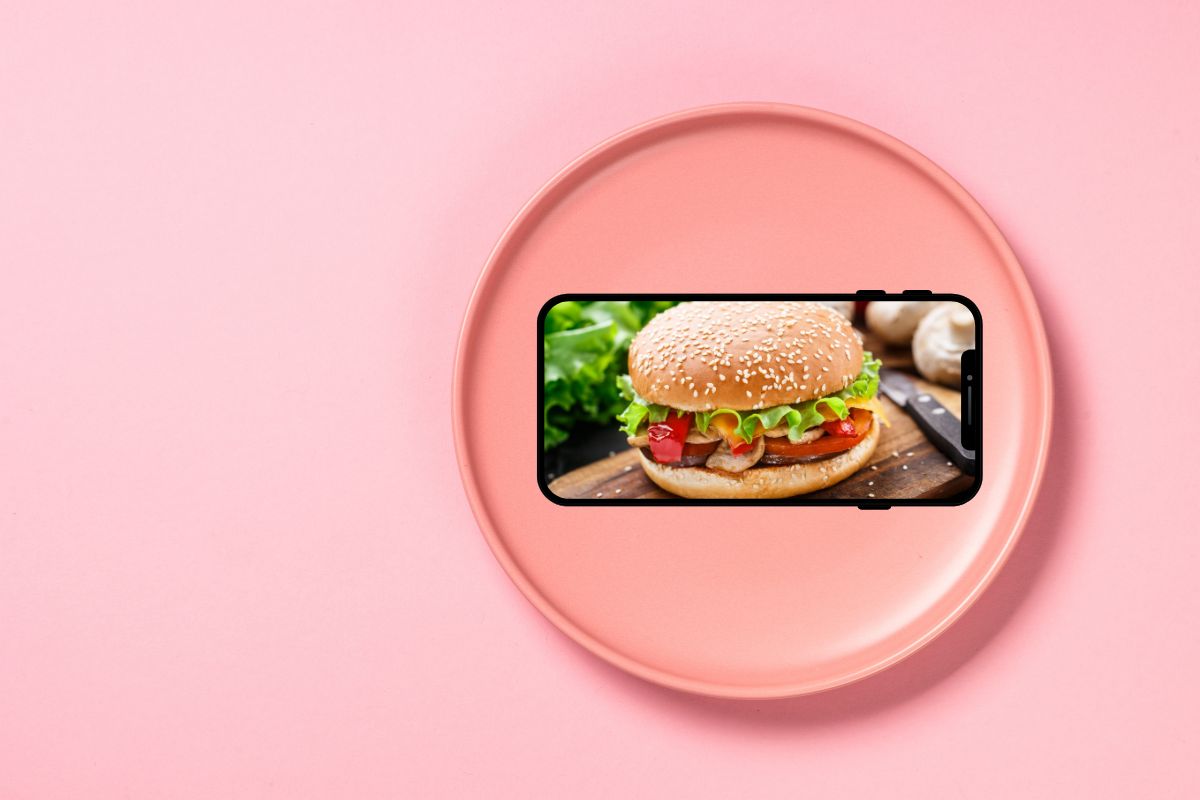
Tech innovation has made it easier for immersive dining to be included on the menu of any establishment, especially through the use of AI.
Tech innovation is so much more embedded in day-to-day life than ever before, and is constantly unlocking new ways to customise experiences and make data-informed decisions about the how and what people want when they go out to eat. But it’s also about the who, with generations of digital natives now changing the scene through their spending power.
Gen Z and Millennial diners are looking for personalised, interactive, and authentic content. Meanwhile, AI customisation is opening doors for interactive menus. In places like Paul Pairet’s Ultraviolet in Shanghai, tech allows guests to influence the lighting, soundtrack, and even ambient scent of their environment, all tailored to their mood and preferences.
Virtual reality headsets, projection mapping, scent design, it’s all becoming more accessible to restaurants looking for an edge, and is matched by an audience with an appetite. Global survey data shows that for Gen Z, 47 percent use AR/VR, and over half are open to paying for immersive content. Studies also show that immersive tech like AR/VR keeps them coming back, extending consumer engagement before, during, and after a meal.
Viral-worthy theatrics and video ops, interactive environments, FOMO-inducing TikTok storytelling, it all adds up to a shift towards immersive experiences and details that market to all the senses.
But immersive dining isn’t just focused on tech; it uses all the tools at a chef’s disposal to connect diners to the dish. Successful experiential dining concepts are also narrative-driven, with storytelling as an integral part of menu strategy. Chefs want to share place and purpose through their food, and storytelling menus also build brand loyalty. A customer who feels connected to the experience, through science and story, is more likely to return, share, and become an ambassador of sorts in a highly competitive market.
Gen Z and Millennials are looking for story and connection. They consistently spend more on experiences than on material purchases. A report by Eventbrite found that 78 percent of Millennials prioritise experiences over physical possessions. In that same report, 50 percent of respondents say that even with the same menu, they’d be willing to pay more for a meal at a pop-up event with a chef interaction than for a meal at a regular restaurant (USD 58 more per person on average). Gen Z diners are more willing to dish out extra for novel dining experiences.
In a study by Technomic, 72 percent of diners expressed a desire for more experiential dining options, such as chef’s tables, themed dining events, and interactive culinary experiences. Yelp data from early 2025 shows searches for immersive concepts rising sharply. Immersive dining is a growing consumer demand, and chefs have an opportunity to benefit from this renewed interest.
More news here.