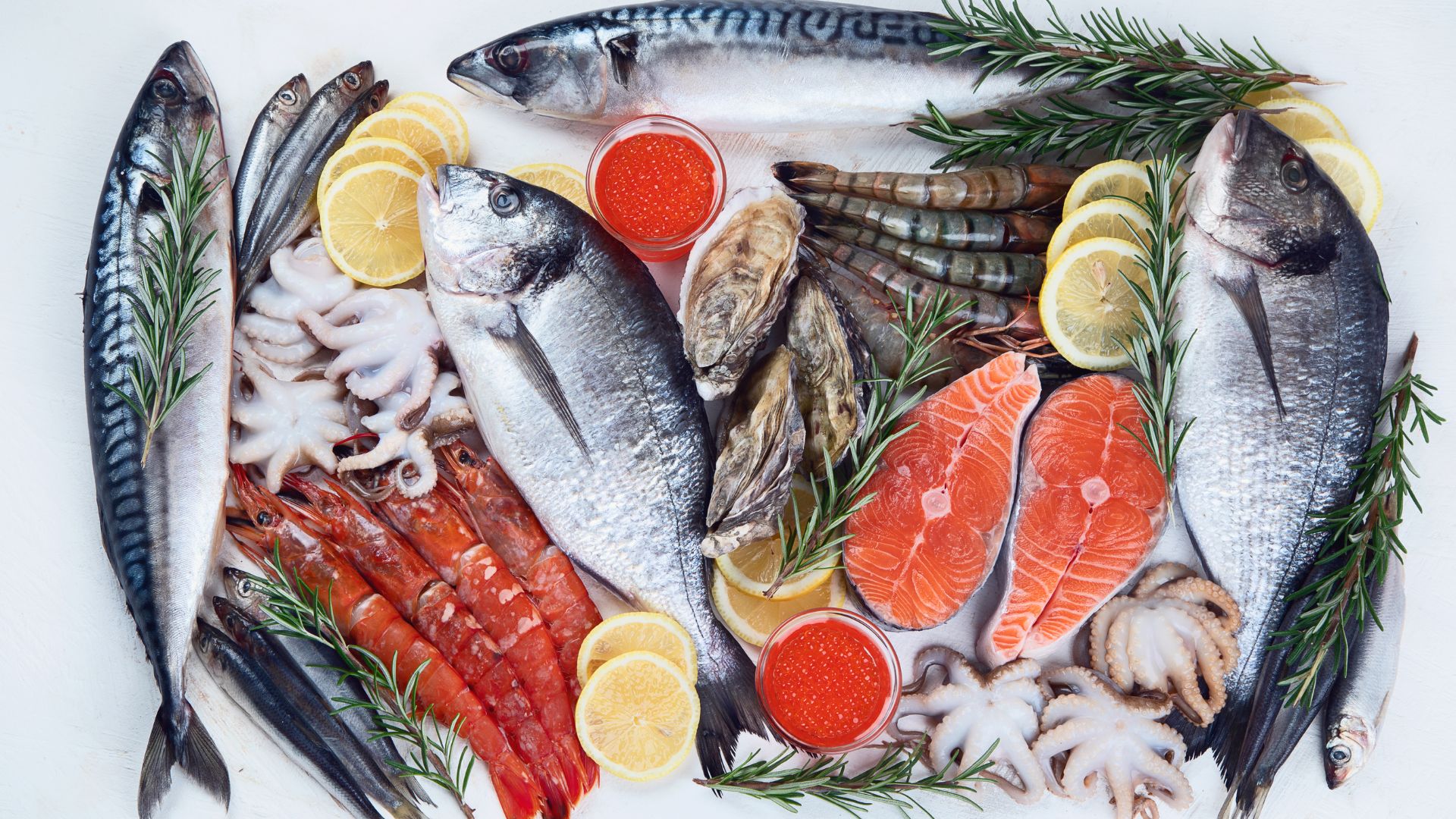
Consumer demand for seafood is expected to grow internationally by 2028, with a projected increase of USD $150 billion.
Globally, the seafood market size is estimated to grow by USD $150.04 billion over the next four years, according to an industry report conducted by Technavio.
The market is projected to grow at a CAGR of 13.55 percent during the forecast period. Rising consumer awareness about healthy nutrition is driving market growth, with a trend towards the growth of online retailing in the seafood industry. However, the depletion of sea species has posed a challenge.
The global growth of e-commerce has been driven by the widespread availability of the Internet and the convenience it offers. In 2020, e-commerce sales in the US accounted for 21.3 percent of total retail sales, up from 15.8 percent in 2019.This trend is fueled by the ease of shopping, product discovery, and attractive pricing and personalised offers. For seafood suppliers, online retailing presents new opportunities to expand sales, reach broader markets, and enhance customer relationships and profitability. Manufacturers and distributors can increase their product visibility across regions by establishing an online presence.
The seafood industry has faced several challenges in providing high-quality, sustainable, and affordable protein sources for consumers. Price volatility, driven by factors like tourism and hospitality trends, impacts the industry. Innovation through 3D printing technology and culinary experimentation offers solutions. Product personalisation, focusing on texture, flavour, and appearance, is a growing trend. Alternative protein sources and seafood substitutes, like plant-based options, address ethical concerns and environmental impact. Lean fish like cod, salmon, tuna, tilapia, shrimp, lobster, and crab offer health advantages with omega-3 fatty acids, vitamins, and minerals. Sustainability through aquaculture techniques, certifications, and traceability initiatives is crucial. Brexit and the EU transition period impact seafood imports and exports.
Organised retailers and food businesses cater to diverse diets, including pescetarian foods and vegetarian alternatives. Ensuring a balanced diet, seafood cuisines, and restaurants continue to innovate while addressing concerns over anabolic steroids and toxic chemicals in fish. Administrative authorities and seafood farmers work together to address environmental issues and fishing activity. Per capita consumption remains high, with convenience seafood items gaining popularity.
More news here.