USA | Americans have changed the way they dine out in order to save a bit more during the cost of living crisis.
With dining costs on the rise, Americans have been getting creative to save a few bucks when dining out, according to the latest research from Lightspeed Commerce Inc., the one-stop commerce platform.
Lightspeed surveyed more than 7,500 dining consumers globally, with 1,500 respondents in the U.S., to better understand how dining trends have evolved in the past year. Some good news for restaurants is on the horizon, as 51 percent of respondents said they will either continue to dine out at the same rate, or increase going out in the next six months. That being said, consumers are certainly looking at how best to stretch their dollar, as seven in ten (69 percent) diners reported higher meal prices, and four in ten (39 percent) noticed their favourite dishes have shrunk in size—a phenomenon commonly referred to as 'shrinkflation.'
With 81 percent of respondents dining out at least once a month, and 39 percent dining out once a week or more, Americans are looking for ways to continue to keep dining fun and affordable, and pulling out all the stops. A savvy 43 percent have hunted for deals with coupons, 39 percent have chosen value meals, and 36 percent made the most of happy hour specials.
Doggy bags are also back in popularity. Nearly half (45 percent) of respondents are not shy about asking to box up their food to stretch their dining dollars. Interestingly, 53 percent of women compared to 38 percent of men were more likely to enjoy a second meal with the leftovers. Older Americans, particularly those aged 55 or older, are similarly inclined, with 53 percent taking doggy bags home. Diners in Los Angeles appeared to be more conscious about food waste, with 51 percent requesting leftovers to go.
"Value is certainly at the top of restaurant diners' minds at the moment," said Dax Dasilva, CEO and Founder of Lightspeed.
"Restaurateurs need to adapt to an environment of cost-savings, but also perceived value. Customers don't want to sacrifice the experience of dining out, they still want to feel like they are treating themselves. Keeping this in mind encourages repeat visits, and a better overall customer experience."
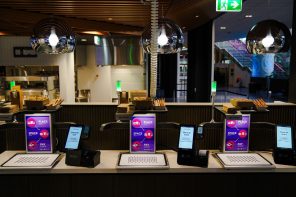
Tipping has continued to be a hot topic in the quest to save money when dining out. A whopping 73 percent of diners are not fans of auto-tipping prompts on digital screens, with 58 percent adding they have felt pressured to tip more than they'd like—often to avoid appearing stingy or cheap.
Inflation has affected the amount diners are willing to tip, according to 44 percent of survey respondents and more than half (55 percent) in the 18-34 age group. That being said, the majority of restaurant-goers remain generous tippers. The survey found that 38 percent said they prefer to tip between 16-20 percent, with 34 percent opting for 10-15 percent and 13 percent tipping 21 percent and above.
Interestingly, for scenarios outside of the normal tipping etiquette, survey respondents were overwhelmingly supportive of tipping delivery drivers (61 percent), while coffee shops (28 percent) and ordering at the counter (19 percent) fell short.