HONG KONG | Yakiniku Yama Oku has celebrated its soft opening, introducing authentic Japanese cuisine with top-quality flavour.
Yakiniku Yama Oku, an intimate new stage for elevated yakiniku kappo dining, has celebrated its soft opening at CUBUS in Causeway Bay. Helmed by a seasoned Japanese culinary team, the new dining destination curates premium wagyu and quality ingredients from Japan with a global vision. Seated at the counter, diners savour an immersive barbecue experience, engaging with chefs as they perform traditional kappo ‘cut‑and‑cook’ theatre.
Sister to the award‑winning Sukiyaki Nakagawa and Teppanyaki Mihara Goten at CUBUS, Yakiniku Yama Oku, literally meaning “barbecue in the heart of the mountains”, revives the spirit of a secret culinary culture from Japan’s pre‑Meiji Shogunate era, when Buddhist prohibitions forbade livestock consumption. Villagers gathered in remote huts, cooking over hearths and disguising meats with discreet names. Today, Yakiniku Yama Oku conjures that atmosphere of seclusion and mystery in a contemporary cave‑like setting, where diners enjoy the glow and aroma of premium cuts grilling on counter‑side hotplates.
In addition to a hand-picked selection of the finest cuts of Wagyu beef, the menu also features specially chosen beef tongue and offal; Japanese pork and chicken options are also available. Continuing the countryside theme, the restaurant will also introduce game such as venison and wild boar in season, presenting a unique experience that combines cultural heritage with surprising flavours.
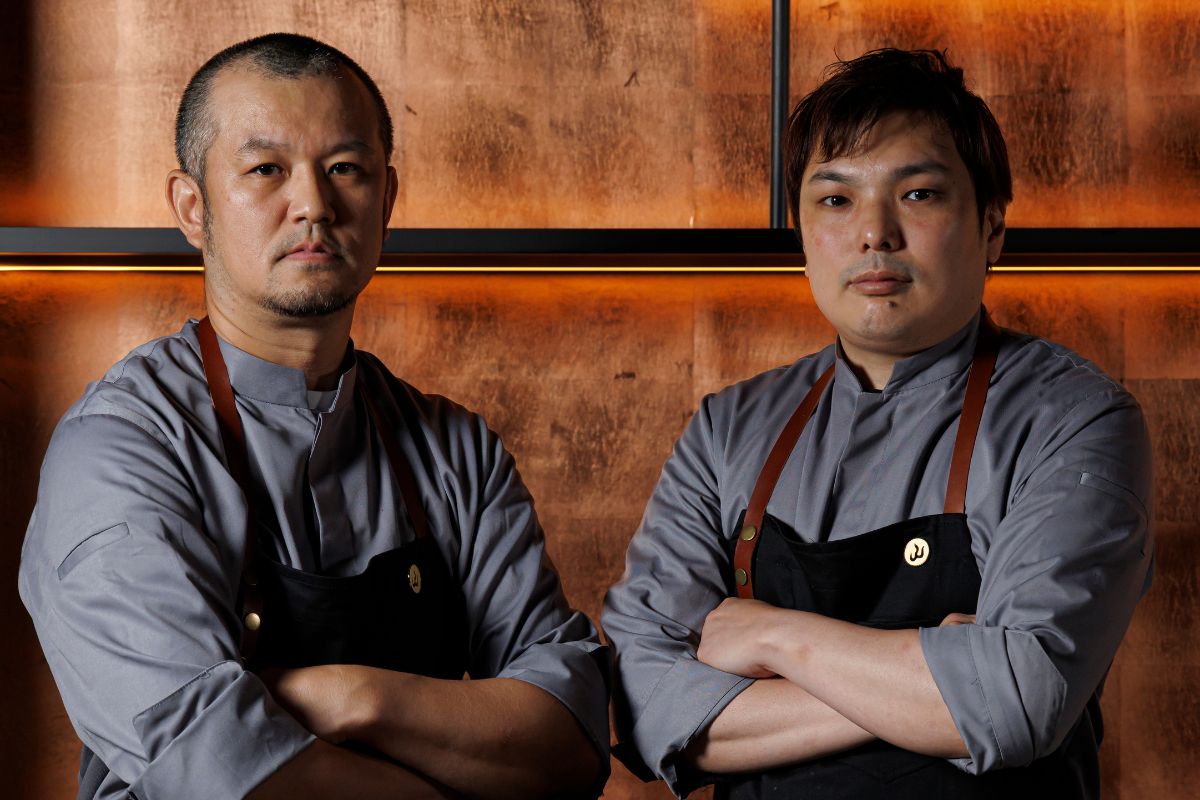
Cutting and grilling, the essence of yakiniku kappo, are executed with flair by two talented chefs from Fukuoka. Leading the kitchen, Chef Koji Takazono brings nearly 20 years of expertise honed at Tokyo and Fukuoka institutions such as Akami Yakiniku Ushio, known for elevating lean black beef, and Yakiniku no Bakuro, celebrated for its prized Kagoshima wagyu.
Joining him is Chef Koichi Kuga, whose passion for Japanese culinary heritage began at his family’s washoku eatery in Sasebo, Nagasaki. Before arriving in Hong Kong, he led banquet teams at leading restaurants and five‑star hotels in Yamaguchi and Nagasaki. Inspired by the natural landscapes and rich traditions of these regions, his artisanal techniques are infused with creative touches.
The two chefs present meticulously curated menus showcasing versatile mastery – from slicing and grilling to boiling and steaming – interacting with diners at the counter as they reveal the secrets of yakiniku kappo. To ensure exceptional flavour, only the finest seasonal wagyu is sourced: Omi beef from Shiga, prized for its even marbling and rich layers of taste, and award‑winning Oita wagyu from Bungo cattle in Oita, lauded for its delicate texture and melt‑in‑your‑mouth quality.
Dipping sauces are integral to the yakiniku experience, and Yakiniku Yama Oku elevates its premium cuts with Kodawari Tamago eggs from Hyogo Prefecture, prized for their rich aroma and refined texture. Each tender morsel of meat, when dipped into the golden yolk, becomes softer and more layered, enhancing the sweetness of the fat and delivering a silky, indulgent finish.
At Yakiniku Yama Oku, cooking rice is a ritual performed in the rare “breathing pot” donabe crafted by Nagatanien, a kiln-master family dating back to the late Edo period. Made from Iga clay and cast iron, this traditional cookware offers exceptional heat retention and breathability, yielding rice with defined grains that are tender, sweet and aromatic. Using Onsen Water 99, an ultra‑soft alkaline spring water from Kagoshima’s Tarumizu hot springs, the chefs prepare Nagano Yaehara Koshihikari, one of Japan’s finest rice varieties. Grown in volcanic soil beneath Mount Asama with sharp day‑night temperature shifts and pristine water, it produces plump, glossy grains with a smooth yet sticky texture, consistently awarded the highest Toku‑A (Special A) rating by the Japan Grain Inspection Association. This rare Igamono pottery serves as more than a cooking vessel; it is the stage upon which the chefs showcase their skills – perfecting rice, simmering dashi, slow‑braising meat, and uniting fire, iron and earth to achieve the purest flavours.
Subscribe to the Restaurant & Café newsletter for weekly industry updates and event coverage.