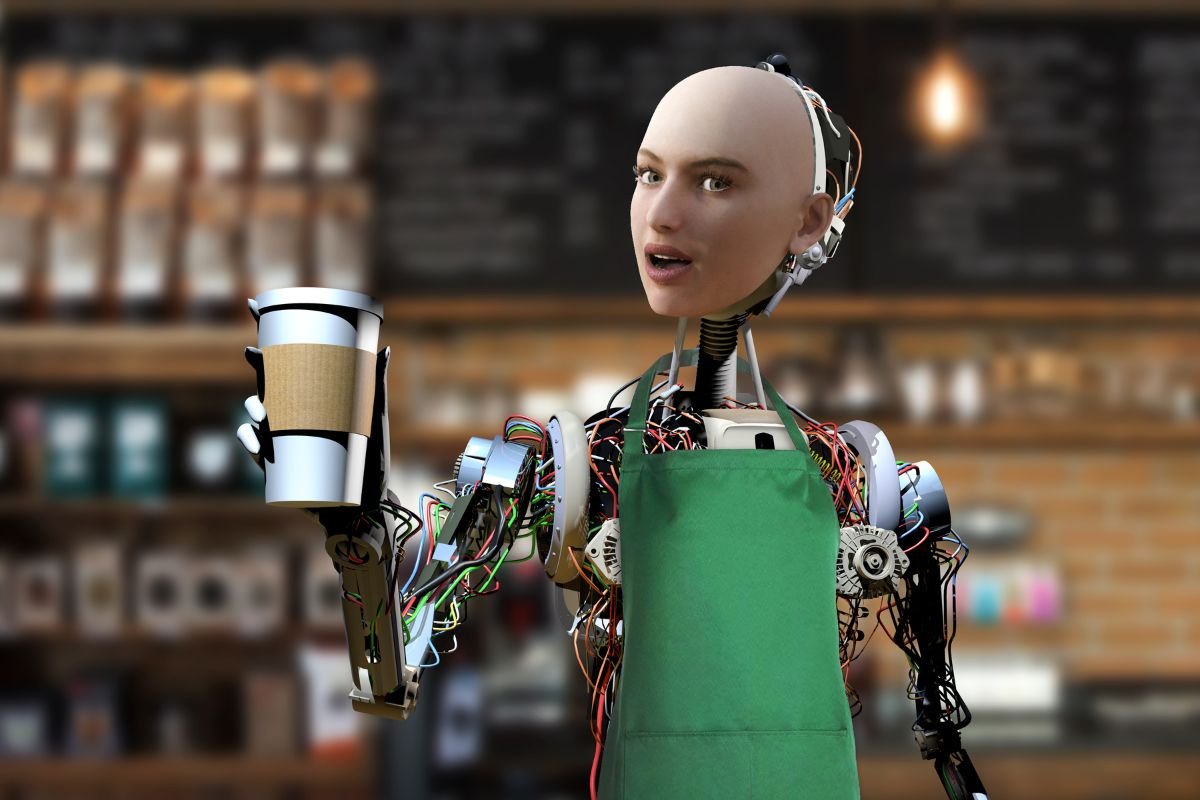
Hospitality has a staffing problem robots are increasingly being pitched to solve. Recent Restaurant Association of New Zealand surveys found up to 80 percent of members are running establishments that are not fully staffed, and 62 percent of businesses have had to temporarily close due to ongoing staffing shortages.
The honest question for any owner-operator weighing the investment is not whether robots help, some clearly do, but which part of the operation actually delivers the payback.
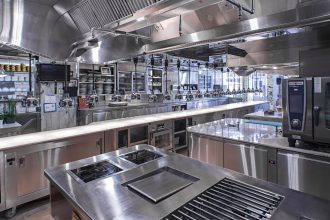
The fry station is the strongest, most tested case in foodservice robotics, and it is worth understanding why it works before assuming it generalises. It is also, at this point, a US case study rather than a local one. Miso Robotics' Flippy, deployed across US chains including White Castle and Jack in the Box, handles a single repetitive, hazardous, high-volume task: loading baskets, monitoring cook times, dispensing finished product across more than 40 fried menu items. Independent third-party validation found an 89 percent reduction in fry station labour cost and over US$5,000 in monthly incremental profit per location from faster service and less food waste. It installs overnight around existing fryers with no kitchen remodel, and Miso reports zero workers' compensation claims tied to the station since deployment, a genuine safety dividend given how injury-prone fry stations are.
That is a narrow, well-defined task, done at high volume, in a hazardous role nobody enjoys. It is close to the ideal automation case. Whether it translates directly to New Zealand kitchen economics, different wage structures, different volume expectations, is untested locally, and operators should treat the numbers as indicative rather than transferable.
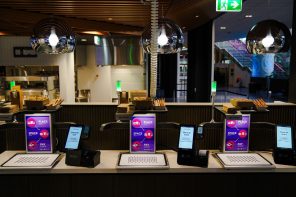
Front-of-house robotics is more directly relevant here, because these systems already have real Australasian distribution. Table-service robots such as Bear Robotics' Servi and Pudu's BellaBot run US$15,000 to US$25,000 to buy, or roughly US$999 to US$2,000 a month on lease. Operators report genuine gains, 30 to 50 percent increases in tables served per shift by freeing servers from running food and clearing plates. That is a real efficiency gain in high-volume, structured dining rooms.
But it is a service enhancement, not a headcount replacement, and pricing it as the latter is where the disconnect starts. The robot moves plates. It does not take orders, manage a difficult table, or upsell a dessert, the tasks that actually justify a server's wage. Venues buying these expecting to cut floor staff meaningfully are typically disappointed; venues buying them to let existing staff cover more tables see the reported gains.
Fully autonomous kitchen systems sit at the far end of cost and risk, US$250,000 to US$500,000 for a complete installation, a category still proving itself commercially even in its home US market. Several early entrants in fully autonomous cooking have already failed or wound down, a reminder that the fry station case does not automatically extend to the rest of the kitchen, let alone to a smaller New Zealand site with different volume and margin realities.
For operators here, the useful distinction is task-specific, not robot-specific. A single hazardous, repetitive, high-volume station, frying above all, has a proven payback, tested overseas and worth piloting locally with realistic expectations. Front-of-house service robots offer measurable throughput gains, already validated in markets closer to home, without replacing the staff who actually run the room. Full kitchen automation remains an expensive bet on unproven ground, doubly so outside the market where the case studies were built. Know which category your business case is actually in before the invoice arrives.
Read more here.