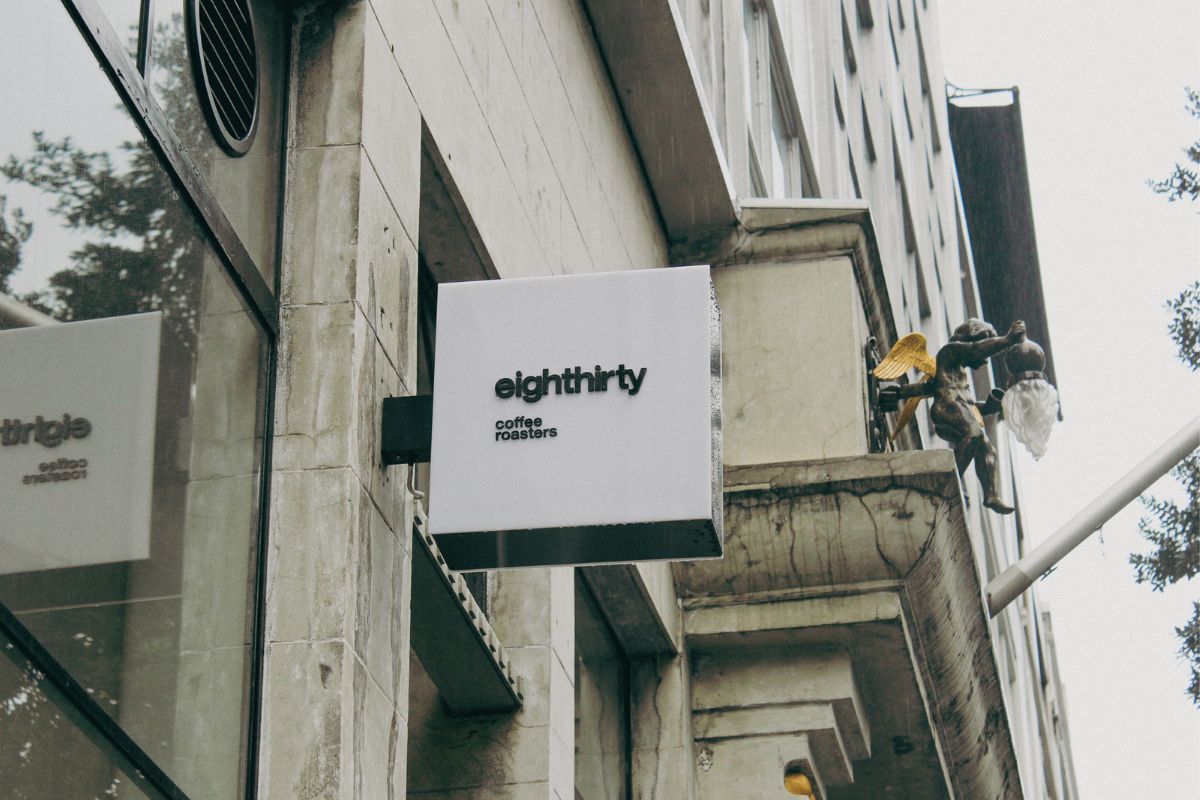
Eighthirty bean roaster, Christopher Kastner, has worked in hospitality for over nine years. Hailing from France, Kastner's journey started with being a kitchen hand to a pizza chef, bar staff, barista, and cafe manager in Toronto. During his time as cafe manager, he built a strong relationship with local roasters and green bean suppliers, which gave him access to high-quality green coffee beans and the opportunity to learn how to roast.
"One of the roasters gave me one on one roasting classes and lent me their sample roaster to play with," said Kastner.
This small step into the world of roasting shaped Kastner's future. When, a year later, eighthirty advertised for an assistant roaster to be part of its team, Kastner took the opportunity.
Having travelled around the globe and living in a few countries, including Australia and New Zealand, when Kastner moved to Canada, he decided that he wanted to find a job as a barista, explaining that it seemed like a fun environment to work in and would be a skill that meant finding a job while travelling easier.
"The fun part was that I was not drinking coffee until I started working as a barista. I did not like it. Working in coffee was also a way for me to understand and try (hopefully) to like this drink that everyone was obsessed with finally."
The tactic worked. Kastner continued that a lot of work was put into making a coffee before it reached a local barista, including sourcing excellent quality green coffee beans, sampling and tasting them, and coming up with a roast profile that complements the coffee and bagging it.
The most rewarding aspect of his work was picking a coffee that stands out against the hundred blends the eighthirty team tries, coming up with a final product that he is proud of and that customers come back daily to enjoy.
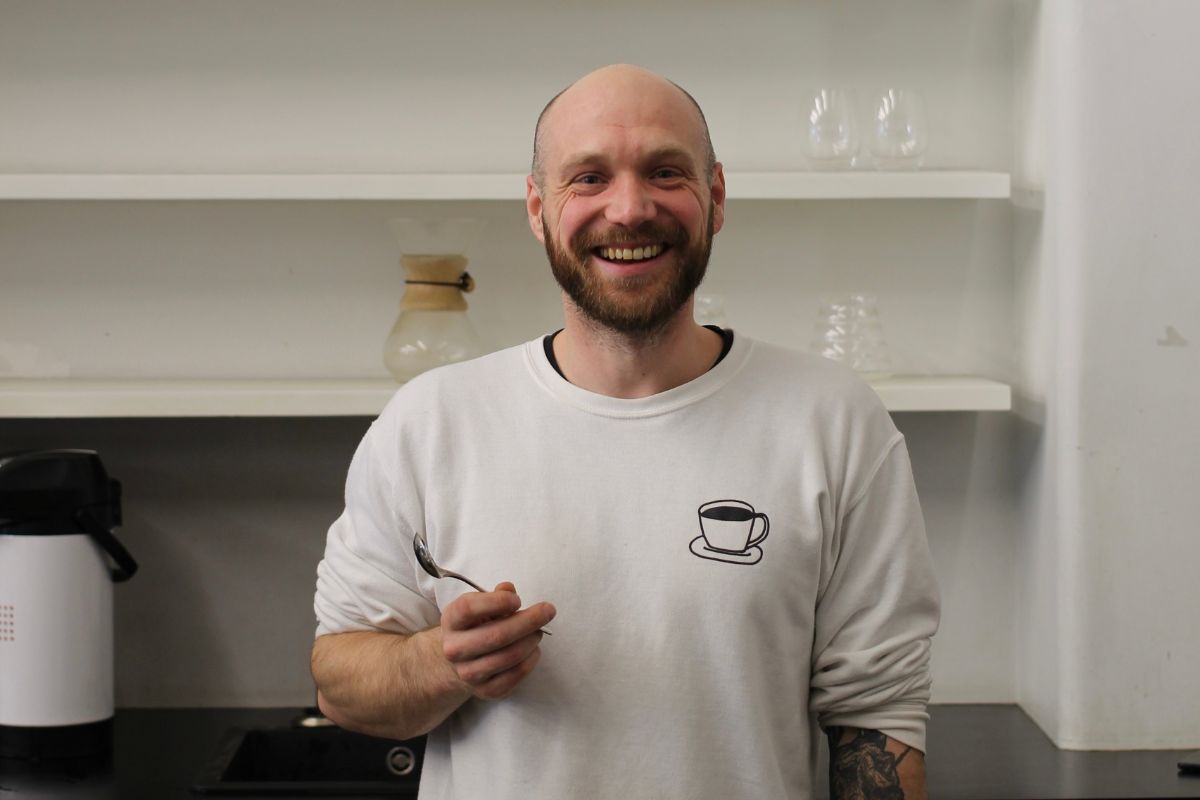
Christopher Kastner
If given the chance, Kastner would like to travel to Costa Rica.
"From my conversations with people who went, it seems to be a stunning country with lots to offer."
Kastner is also driven to Costa Rica, having met farm owner Alejo Castro from the Volcan Zul region through different cuppings and coffee events in Toronto. Castro and his family have been producing some of the most exceptional coffees in the world over the last few years, and Kastner said he would love the chance to see his farm.
Discussing his favourite blend, Kastner said that his favourite was eighthirty's Black Labe.
This blend is something the team has been working on for months. The idea was to offer a unique and high-calibre coffee to target that small niche New Zealand market where customers are interested and can spend more money for a premium product (the equivalent of a fine spirit or special batch craft beer).
Eighthirty had to devise a label and packaging to distinguish it from everything else on the market and a unique coffee.
"It did not disappoint. You will find notes of jalapeno, agave mezcal which is uncommon and should not work for a coffee but is an outstanding cup of coffee. The team loves it, and our customer's feedback has been amazing."
When making a great roast, the quality of the green beans was the most crucial aspect.
Kastner added that roaster skills were necessary, as well as the roaster itself. He said that Loring was a fantastic roaster that allowed the eighthirty team to roast the coffee at a consistently high quality.
However, even with excellent skills and equipment, there is only so much that can be done if the quality of the coffee is lacking. This is why eighthirty works closely with some of the best green beans suppliers Cofinet, which was started by two Colombian farmers who wanted to improve Colombia's coffee export and help the other farmers, with LCM based in Melbourne and a few others.
Having farmers who have this connection to the farm itself, the care behind each coffee lot, allows eighthirty to have a constant level of quality behind each coffee, whether in its Blend or Single Origin offerings.

Eighthirty bags and cups are compostable, and its Loring roaster is much more environmentally friendly than many of the other leading roasters on the market, lowering its carbon footprint.
The current cups branding is based on work done with Sustainable Coastline, which eighthirty has supported for a few years. The brand also works closely with a local alternative milk company called Plant Project, using some of its alternative milk and supplying its customers with it.
When eighthirty started, they were the first to use the Loring roster in the country and the first to use the Slayer espresso machine (working alongside their amazing friends from Machine LTD).
Eighthirty also puts a lot of time into its sampling roasting using the latest model of the Ikawa sample roaster. Kastner stated that the company always strives to achieve consistency, aiming for high quality and simply trying to improve.
There are always ways to improve, learn new things, and push yourself further. Even if you are doing very well, producing great coffee, no matter how long you have been in the industry, there are always ways to be better. Don't be complacent.
"There are always ways to improve, learn new things, and push yourself further. Even if you are doing very well, producing great coffee, no matter how long you have been in the industry, there are always ways to be better. Don't be complacent."
Eighthirty has a coffee cupping event on the 17th of July with Cofinet. Carlos, one of the founders, is coming from Colombia and bringing some incredible coffee for the team. The event is based on the August New Zealand Cup taster competition that Kastner is also competing in.
It consists of eight sets of three cups of coffee; competitors must pick the odd one in each set.
"We are excited to be hosting the event in Auckland with Carlos and the rest of the Cofinet team alongside us. These events are always beneficial for the coffee industry.
We may work on a small project with one of our local speakeasy bars. There is coffee and cocktails involved. Keep an eye out."
For anyone wanting to become a coffee roaster, Kastner said the most critical aspect was to try, adding that getting hands on a roaster, and simply roasting and playing with it, trying different origins and discovering what works best, and meeting with local roasters and green bean suppliers was the best way to learn.
He continued that New Zealand is small, with few people and many coffee roasters. Individuals would have to work hard on their branding to differentiate themselves from what is already available, and the more people know of individuals beforehand, the easier it will be.
"Attracting new customers when you are new and competing against some big companies is difficult."