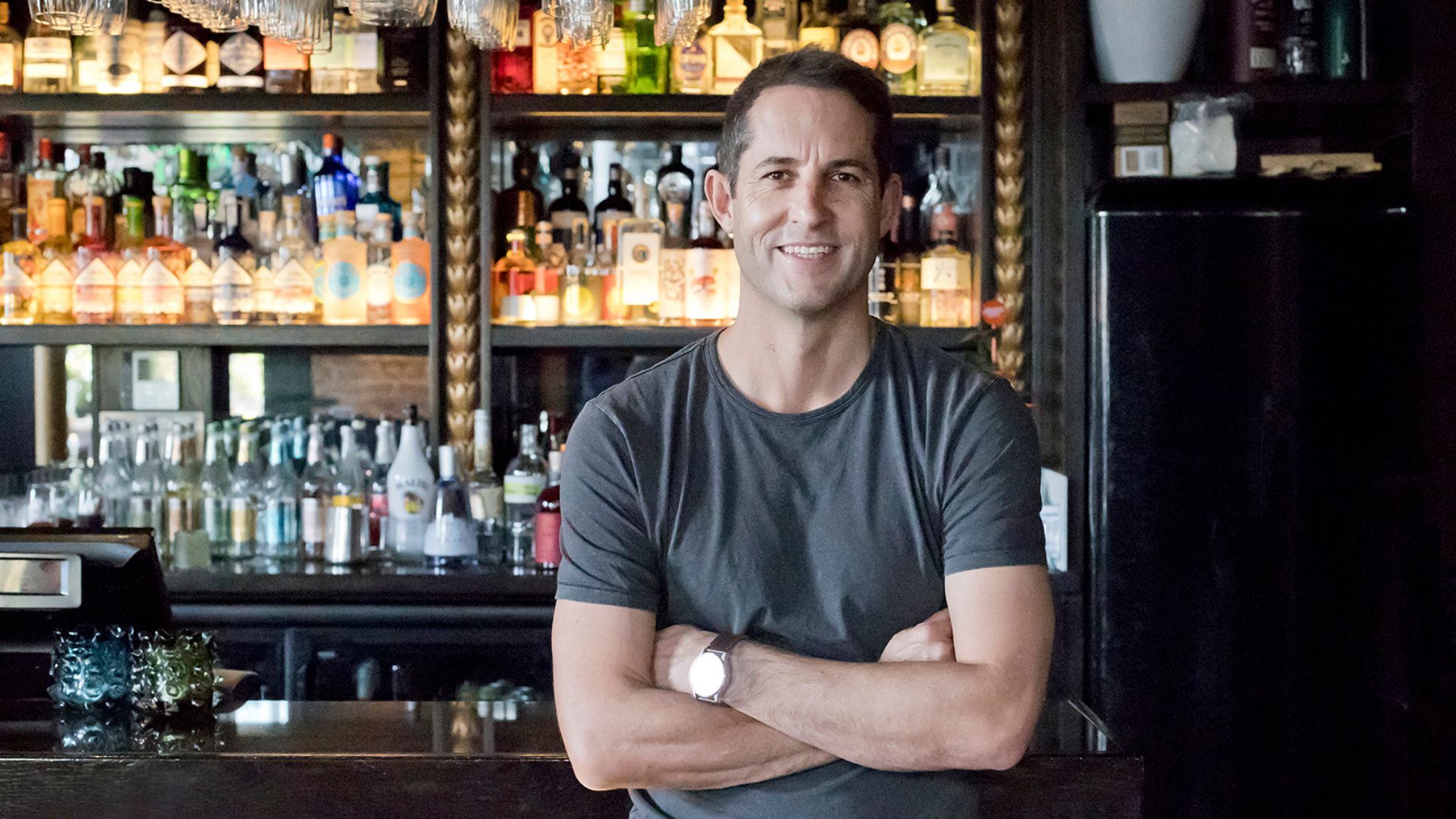
For Strange Nature General Manager and Owner, Rhys Julian, there has been excitement brewing within New Zealand’s spirits industry, although there is still some catching up to do.
Rhys Julian posed a question that could indicate New Zealand’s standings within the international spirits market: Do spirits feature in Kiwis' drinks repertoire, like beer and wine do?
Recently, Julian travelled with his wife back to her homeland in the Balkans, namely Serbia, where spirits are a way of life. One of the first things her relatives showcased upon their arrival was an impressive selection of spirits. This same ritual was experienced across many of the restaurants and cafes they visited as well.
Julian noted that drinking spirits in New Zealand almost has a negative connotation to it. With a burgeoning spirits industry and some impressive homegrown local whisky and gin brands coming to prominence, there has never been a wider selection for hospitality businesses to choose from.
“We need producers and hospitality owners to help connect the dots for consumers, consumers that are becoming more adventurous and knowledgeable by the day,” he said.
Retail in New Zealand over the past five years has seen a major surge in spirits of local and international production sold for over NZD $70. New Zealanders during the COVID-19 pandemic weren’t able to experience their favourite cocktails at bars, and therefore, needed to upskill and become home cocktail makers. Julian believed many of them were surprised to learn just how much of a variety there was from local producers. As a result of this, consumers have now become far more educated and willing to explore what professionals in the industry can create.
Among all different types of spirits, gin has remained one of the most popular. Julian said if consumers are willing to pay for premium gins, then it should be matched with ingredients of a similar standard. Consumers will now be on the lookout for moving elements within a drink, be it the type of glassware used, the shape of ice, fresh or dried garnish, sugar content, and the use of flavour.
During a recent trip to North America, Julian was taken aback by the high prices of cocktails. However, he said the price was often justified due to the level of expertise and service that came with ordering cocktails, which was hard to beat. He was content at paying higher prices for well made drinks constructed by educated staff with a good attitude.
“Its like anything in life, if you know the service or product you are buying is of good quality, you are more inclined to buy or spend more,” he said.
“Increasing profit in spirits goes hand in hand with the people who are selling them, providing all the good reasons to a customer around why they might like to pay a premium price for a cocktail that tastes great with ingredients that have a story behind them.”
Having frequented many gin festivals over the last few years, Rhys Julian noticed a gap in consumer knowledge about traditional cocktails. Even a classic martini made from only four ingredients was often a step too far for some consumers. He said that a cocktail menu should take consumers on a journey, as well as cater for a diverse mix of consumer knowledge. There is also a fine line between a well-crafted menu and one that is daunting in options and unfamiliar exotic ingredients.
“Take gin where a ‘London Dry’ style gin has enjoyed centre stage in the past, but is now rivalled by more western and contemporary examples. Very much thanks to Hendricks in the early in 2000s who showed that your classic botanicals are important but at the same time emphasise new flavours such as cucumber and rose.”
Rhys Julian believed that strange has become the new normal and that new spirit innovation is much needed at times when dispelling the myths often associated to certain spirits categories and types of drinks.
Read more here.