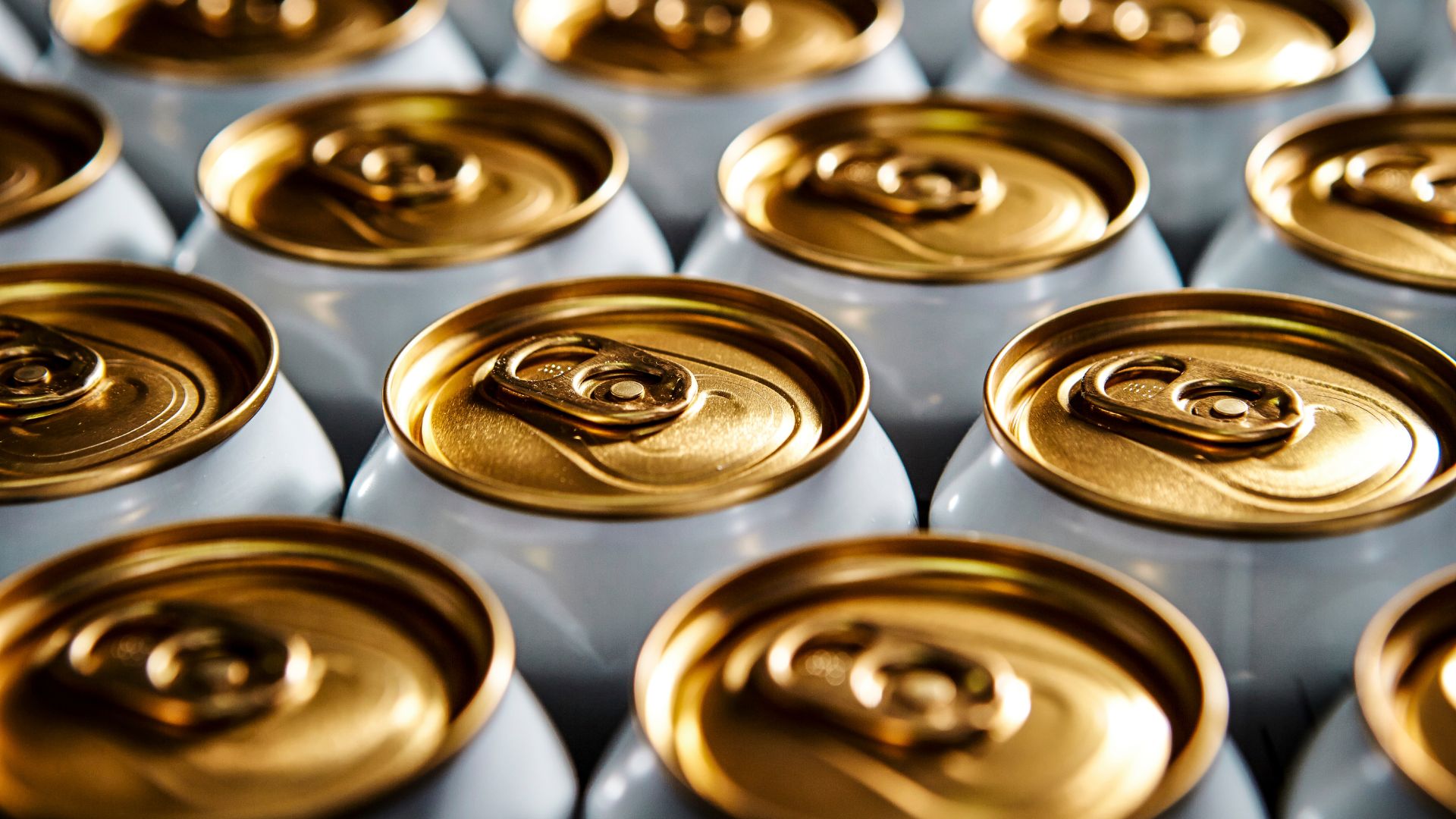
The global beer market is set to grow by an additional USD $5 billion, according to recent data that analysed consumer trends, transport and manufacturing.
A report by Towards packaging revealed that the Asia Pacific market dominated the global beer can market in 2023. North America is also expected to grow at a significant rate in the market during the forecast period.
By material, the aluminium segment dominated the market with the largest share in 2023. The most frequent can size was 330 millilitres.
The beer cans market has revolved around the transportation, production and consumption of beer based on consumer preferences, which are driven by a cultural shift from older generations to younger generations. Along with these qualities, preventing UV rays and providing mobility due to being lightweight are the leading objectives of the market.
The lower emission of carbon print and lower energy resources used for recycling have increased the demand for beer cans and market growth.
The use of stainless steel and aluminium prolongs beer's shelf life. Along with the customisation of beer cans, the improvisation of properties like strength and durability increases the growth rate of the beer cans market.
The focus on sustainable packaging has also boosted the market by attracting market players who are driven by environmental consciousness. The cost-effective nature of cans has made it easy to produce and transport beer, which has impacted market growth.
The leading challenge which hinders the growth of the beer can market is strict government regulations. The customs duties increasing on import and export and the competitive strike between aluminium or steel materials are a major hinderance.
Apart from this, economic ups and downs, changing prices, and a lack of recycling infrastructure can challenge the key players, and competition from alternatives like glass bottles can threaten the beer can market. The rise in prices due to economic turbulence can also lead to a decrease in the market rate.
AI integration has benefited the industry by researching and inventing new barrier designs, allowing for more sustainable solutions and longer-lasting packaging. Technology improvements have made it simple to analyse supply chain demand, detect errors in manufactured materials, and provide complete reports on environmental stresses that will ensure the product's endurance.
More news here.