USA | The size of the foodservice market in the United States is estimated to grow by USD 204.8 billion from 2024 to 2028.
According to a new report by Technavio, the foodservice market in the United States is estimated to grow at a CAGR of 4.4 percent during the forecast period. Increased snacking and indulgence consumption are driving market growth, with a trend towards a highly diverse population indulging in ethnic cuisine. However, rising competition from the unorganised fast food sector poses a challenge.
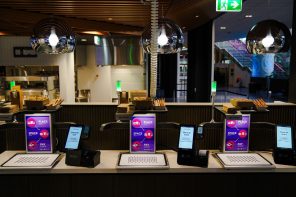
The foodservice market in the US is experiencing significant trends, with consumers increasingly seeking vegan, low-sugar, and gluten-free options. Fast food brands and full-service restaurants are responding by offering nutritional diets, including pancakes, waffles, and toast at cafes & bars. Specialty tea, coffee, and tea consumption are also popular. Digital ordering is on the rise, with international cuisines and street foods like burritos, chilaquiles, and poke bowls available through leading operators' digital platforms. Cloud kitchen outlets and on-premise eating experiences are also trending. Average order value is increasing with chef-driven dining-out restaurants featuring professionally trained chefs and celebrity chefs.
Taste and health-conscious consumers are ordering online for home delivery or takeaway, with fast food items like burgers, pizzas, sausages, and chicken available on e-commerce channels. Consumption behaviours of millennial populations, with their fast lifestyle and preference for home cooking, are driving the food service industry to digitalise operations. Food bars, canteens, vending machines, and hotels are also part of this dynamic market. Virtual and ghost kitchens offer real-time food service through limited-service restaurants and commercial spaces. Foodservice providers are focusing on organic produce, healthy food, and reducing unhealthy products, addressing concerns related to obesity, diabetes, cardiovascular disease, and high blood pressure.
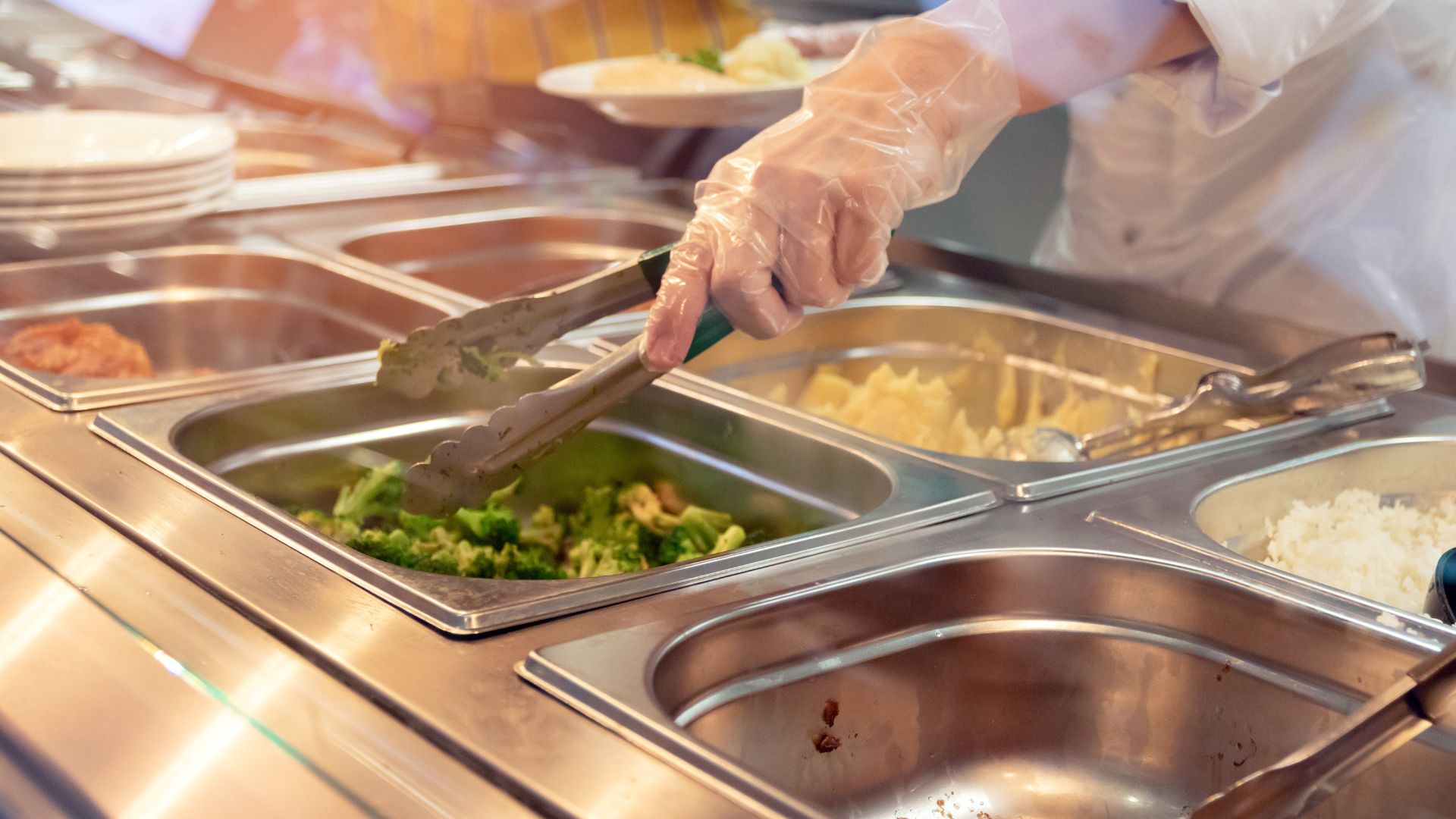
Self Service Restaurant, Independent Consumer Foodservice, and Chained Consumer Foodservice cater to various segments, with cafeterias, limited-service eating places, ice cream parlors, beverage bars, carryout sandwich shops, and on-premises baking. Food consumption continues to evolve, with foodservice providers adapting to meet the changing needs and preferences of consumers.
The foodservice industry in the US is experiencing a significant trend towards ethnic cuisine, with the increasing immigration population being a major driving factor. Approximately 22 million Americans have ancestry from East and Southeast Asian countries or populations, as well as the Indian subcontinent. This demographic expansion has introduced a diverse range of spicy cuisines to the American market, which has garnered a positive response from consumers. The popularity of ethnic cuisine is expected to continue growing, offering opportunities for foodservice businesses to cater to this market segment.
More news here.