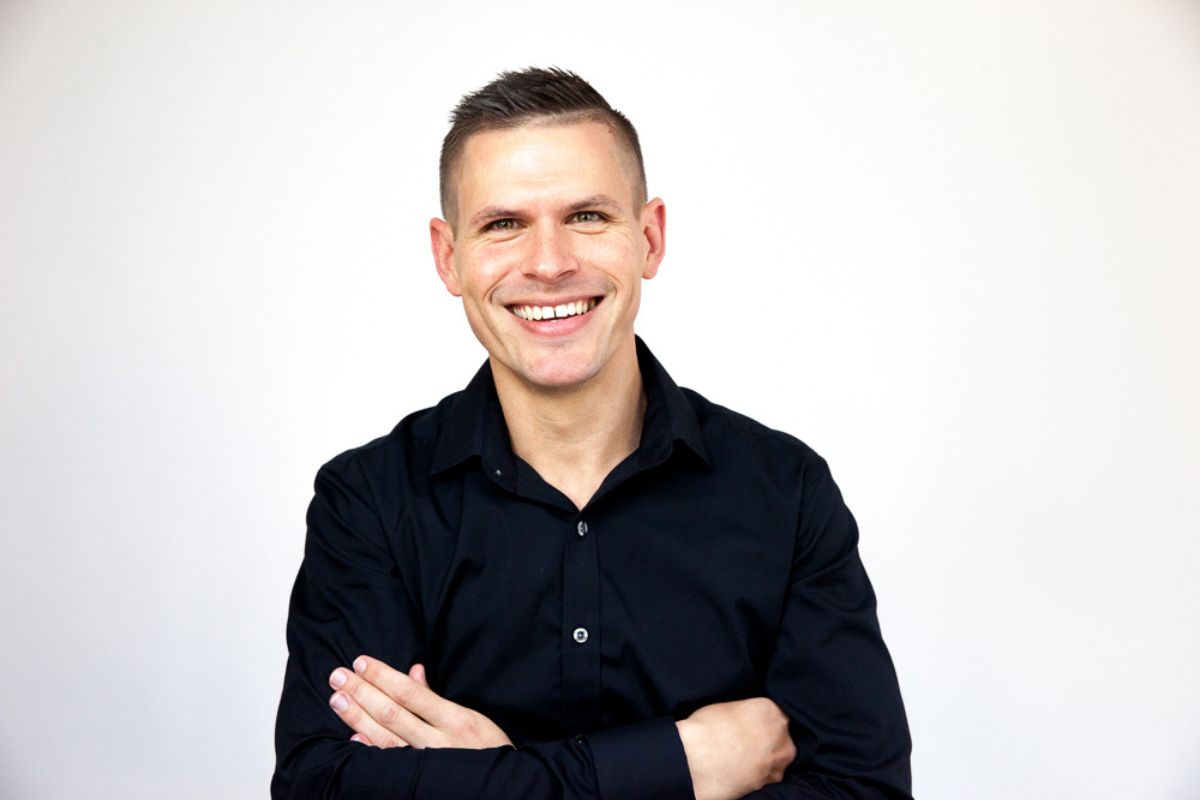
Chairman of the Franchise Association of New Zealand, Brad Jacobs, said there has been a noticeable increase in multi-brand franchisors and multi-unit franchisees, whether within one brand or across multiple.
Jacobs said the quote, “being in business for yourself, but not by yourself,” summed up the benefits of joining a franchise nicely. He said a strong franchise network system will provide all the foundations for success, along with solid training and support to assist a new franchisee to get their new hospitality business trading successfully.
“An independent operator simply won’t have that same level of training and support. They will likely spend significant time and resources on establishing their operations, menu, branding, marketing materials, etc, that a franchise will already have in place and available to a new franchisee,” he said.
Jacobs added that one of the franchisor’s key roles is to provide support systems to navigate challenges like rising operational costs, staff shortages and supply chain issues. Be it group negotiating and buying power for better COGs, simplifying day-to-day admin tasks for franchisees, or providing assistance when there are staffing challenges, this is where being a part of a franchise network is beneficial compared to an individual operator doing it all by themselves.
Operating a food and beverage business successfully and being a good franchisor are two very different tasks.
He said that operators wanting to franchise their food concept should first undertake a feasibility study on the business model, consult with an experienced franchise professional, and, assuming the results are positive, they should then undertake to develop their own skills as a franchisor.
There are multiple ways to learn and develop skills as a franchisor, according to Jacobs, who highlighted the work of the Franchising Association of New Zealand. He said this is an opportunity to work with experienced franchise consultants and form relationships with other franchisors that can provide mentorship, be it formally or informally.
A common misconception is that franchising is easy.
“Franchising is a fantastic way to do business, and can be very rewarding for both franchisees and franchisors alike, but it’s certainly hard work being a great franchisor.”
He added that supporting franchisees, maintaining brand standards, monitoring compliance, and continuously developing the products and procedures or the brand are all serious undertakings.
“A franchisor’s role is not simply just to provide a brand and charge a franchise fee, they are forever working across all elements of the business, from operations to marketing and people.”
From Jacob’s own experience as a franchisor of The Coffee Club, there are six building blocks that the company works from in its franchise model: mission and core values, people, marketing, operations and supply, network and financial management.
The Coffee Club has implemented an extensive training and support focus, both at start-up and ongoing. Working across all six of its company building blocks, there is a range of training and development resources available to franchisees and their teams.
Regular business ‘health checks’ are undertaken to assess product compliance, operational performance and statutory requirements.
“The underlying objectives of our franchisee support structure are to ensure exceptional customer experience, sales and business growth, and Compliance and The Coffee Club brand protection.”