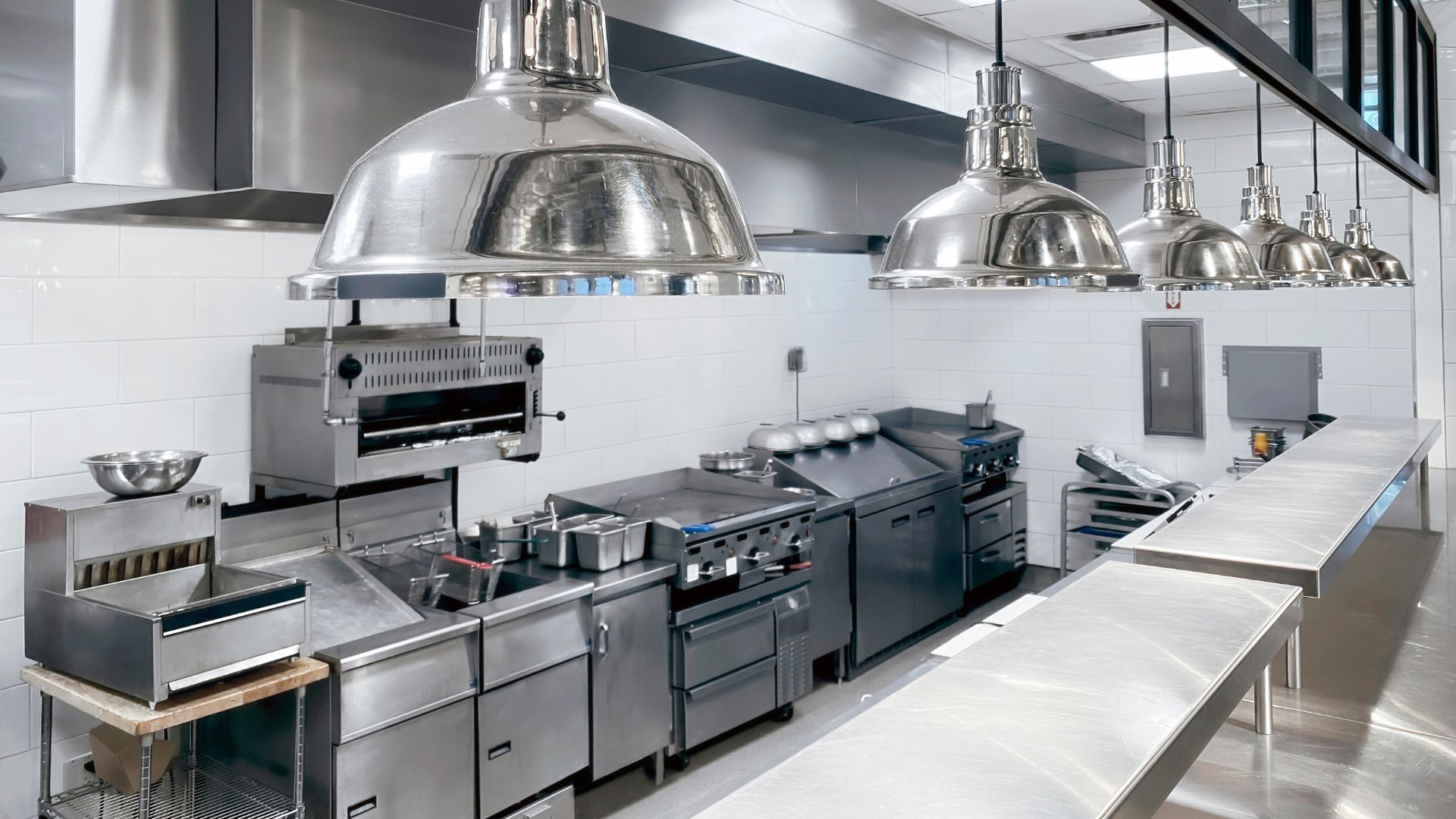
USA | New research has estimated that global demand for commercial cooking equipment is set to increase drastically across the next four years.
The global commercial cooking equipment market size is estimated to grow by USD 4.32 billion from 2024 to 2028, according to Technavio. The market is estimated to grow at a CAGR of over 5.97 percent during the forecast period. An increasing number of food service establishments has driven market growth, with a trend towards focusing on improving new technologies. However, increasing raw material prices of commercial cooking equipment poses a challenge.
The commercial cooking equipment market has witnessed significant advancements in technology, revolutionising the way food is prepared on a large scale. Manufacturers are focusing on enhancing cooking technology to cater to the evolving needs of end-users. For instance, conveyor oven technology is improving with innovations like variable airflow impingement, which breaks the cold air halo around food, enabling even cooking and reducing preparation time by up to 30 percent. Garland Group's electric griddles offer pre-programmed menu upload and advanced diagnostics for operator convenience.
Similarly, commercial fryers are introducing new technologies, contributing to market growth. These advancements streamline the cooking process, increasing efficiency and productivity.
The market is experiencing notable trends in 2021. Parts Town's after-sales services continue to gain traction, offering investment opportunities for entrepreneurs. Small cafés and restaurants are prioritising cleanliness, hygiene, and safety, driving demand for energy-efficient equipment. Government support for the culinary industries is fostering growth in full-service restaurants and modular kitchens.
High-tech features, such as cloud kitchens and custom units, are popular among food service businesses. Covid-19 impacted the market with lockdowns, home delivery, social distancing, and dark kitchens becoming the new norm. Commercial cooking equipment essentials like broilers, cook-chill systems, fryers, ovens, cookers, ranges, kettles, steamers, and various kitchen appliances remain in high demand for restaurants, hotels, catering, quick service restaurants, and fast foods.
Commercial cooking equipment is primarily manufactured using stainless steel due to its durability compared to other metals and non-metal elements. However, the price volatility of stainless steel, as it is a commodity, poses a challenge for both manufacturers and end-users. The expanding demand-supply gap and the robust demand from industries like infrastructure and construction in regions such as China are expected to increase steel prices.
Additionally, COVID-19 disruptions in raw material supply chains have further increased their prices. These factors may limit the growth of the commercial cooking equipment market during the forecast period.
More news here.