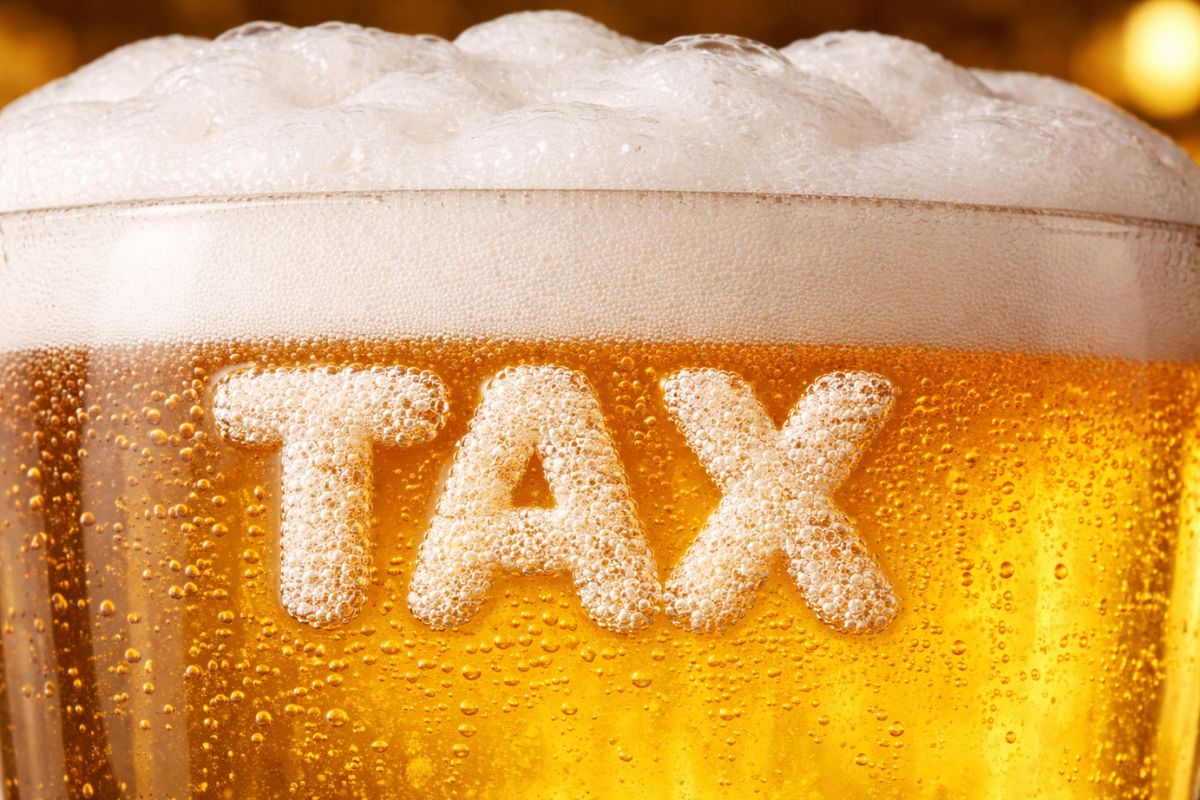
The Brewers Association of New Zealand said Kiwis underestimate how much tax they are paying on beer.
New nationwide research shows most New Zealanders significantly underestimate how much tax is built into the price of beer, highlighting what brewers say is one of the least understood drivers of rising prices.
The research, conducted by Curia Market Research on behalf of the Brewers Association, Brewers Guild and Hospitality New Zealand, found that a vast majority of New Zealanders don’t know how much excise tax is included in the price of beer, with only 11 percent correctly believing the tax component is over 30 percent of the wholesale cost of a keg, when in fact excise and GST together make up close to half of that cost.
Brewers Association of New Zealand Executive Director Dylan Firth said the findings show a major awareness gap at a time when many New Zealanders are concerned about the rising cost of living.
“Every day we hear Kiwis talking about the rising price of goods and services, but most people simply don’t realise how much tax is built into the price of beer. Beer drinkers are paying far more tax than they think. For draught beer in particular, a large share of the price is excise tax before the beer even reaches the pub. If tax were an ingredient in beer, it would be the most expensive one.”
The survey of more than 1,000 New Zealand adults also highlights how rising costs are changing drinking habits.
Nearly half of respondents (47 percent) say they sometimes choose to drink beer at home rather than at a bar or pub because of the cost of going out.
Firth said this trend reflects the pressure facing hospitality venues across the country.
“Pubs and bars play an important role in communities, but the cost of beer in hospitality venues is increasingly pushing people to drink at home instead.”
“One of the key drivers of that cost is the high excise tax applied to beer.”
The research also found 44 percent of New Zealanders drink draught or tap beer at least sometimes, highlighting the significant role pubs, bars and taprooms continue to play in the beer sector.
However, almost one in five New Zealanders (19 percent) believe the number of pubs and bars in their community is decreasing, reflecting growing concern about the health of the hospitality sector.
Firth said the beer sector and hospitality industry are major contributors to the New Zealand economy.
“Beer is one of New Zealand’s largest manufacturing and hospitality sectors, contributing around NZD3.6 billion to the economy and supporting more than 35,000 jobs across brewing, hospitality, retail and tourism.”
“Brewers and beer drinkers also make a significant contribution to Government revenue, with the beer sector generating around NZD1.7 billion in taxes every year through excise, GST and business taxes.”
“Beer excise alone totals about NZD470 million annually and increases every year with CPI (of the total NZD1.29 billion annual alcohol excise take), while GST on beer sales adds roughly NZD430 million more.”
“But pubs and bars are more than just businesses, they are places where communities come together, where people socialise, celebrate and connect.”
“The lack of understanding about the tax burden on beer, combined with the drift away from hospitality venues, is a long-term and concerning trend not just for the sector but for communities across New Zealand.”
Firth said this is why the industry is calling on Government to consider policies used in countries such as the United Kingdom and Australia, where draught beer sold in pubs is taxed at a lower rate than packaged beer.
“We don’t have a lot of control over the cost of goods and services in this country, but we do have the ability to put pressure on Government to stop increasing excise tax every year and to lower excise on keg beer, which would help pubs and bars remain competitive.”
“At a time when New Zealanders are worried about the cost of living, it’s worth asking whether the current tax settings are delivering the best outcomes for communities, consumers and hospitality businesses.”
Subscribe to the Restaurant & Café newsletter for weekly industry updates and event coverage.