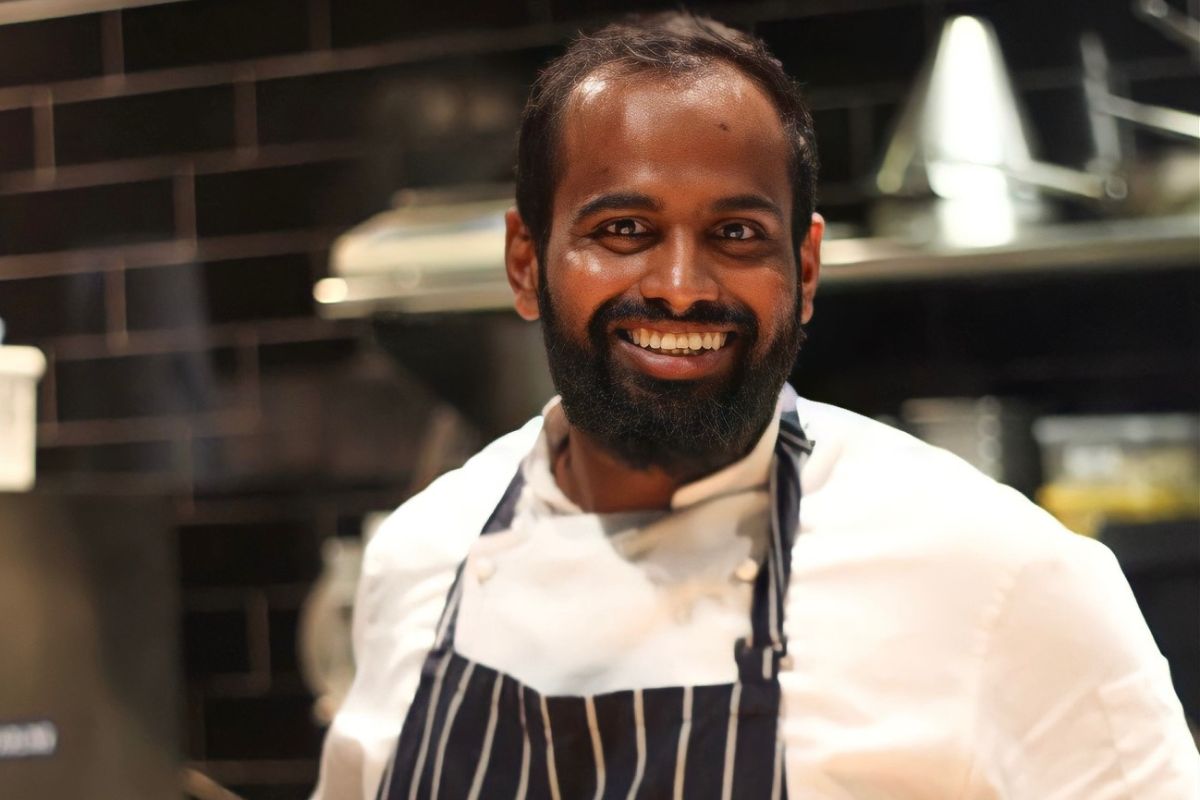
A leader in the Christchurch culinary landscape, Shafeeq Ismail is passionate about sharing his love of food with the community.
A highlight for Chef Shafeeq Ismail from the past few years has been successfully establishing and growing his restaurant operations in New Zealand. From setting up new venues to building strong teams, Ismail has created systems that allow consistency across multiple locations.
Another key highlight for Ismail has been navigating the post-COVID recovery and seeing steady growth in guest demand, particularly in the brunch and casual dining space. He said expanding brand presence and gaining repeat guests has been very rewarding.
On the other hand, there have also been challenges to adapt to, especially in an industry where things can change almost instantly.
Ismail said the biggest challenges have been staffing shortages, rising costs (especially food, rent and utilities), and maintaining consistency across operations. Like many in the industry, finding skilled and reliable staff has been a difficult task to undertake.
Ismail addressed this by focusing on internal development, such as promoting from within, training staff, and creating clear systems for operations.
“We also invested in tools and processes to improve communication and accountability. On the cost side, we’ve had to become more disciplined with purchasing, menu engineering, and portion control to protect margins,” he said.
The restaurant industry in Christchurch has been resilient but competitive, according to Ismail.
He added that guests are more value-conscious now, but they still expect high quality and good service.
One noticeable trend has been the age group of 25 to 40, who want to spend, but do so in small amounts across smaller plates. He added that guests are more focused on good quality food without the fuss.
“We’ve seen that businesses that focus on consistency, strong branding, and guest experience are the ones that continue to perform well.”
Ismail is currently working on a new restaurant, EDIZi, an all-day diner, and refining his existing operations to improve efficiency and profitability.
“There’s a strong focus on completing current projects on time, optimising kitchen systems, and enhancing guest experience,” he added.
“We’re also looking at opportunities to expand into new locations and concepts that fit the New Zealand market.”
For chefs facing similar challenges, Ismail said it was important to focus on three vital key areas. Firstly, consistency over complexity. He said keeping the menu simple, but executing it perfectly, will bring a positive response.
Cost control remains a major issue. Making sure that chefs understand their star dishes, and making small improvements in food cost can make a big difference when budgeting.
Lastly, focus on team development. He said it was essential to invest in people in order to let them grow.
“Train them, support them, and build a culture where they want to stay. Business only grows where people grow,” he said.
“For me, people are more important than business, as if they understand the vision, they will definitely do their best for their own growth.”
Ismail added that being adaptable was a useful skill to have in the current industry climate. While the sector is changing quickly, he believes that those who are flexible with menus, pricing, and operations will have a better chance of long-term success.
“Hospitality is a people business, so look after them inside and out.”
Subscribe to the Restaurant & Café newsletter for weekly industry updates and event coverage.