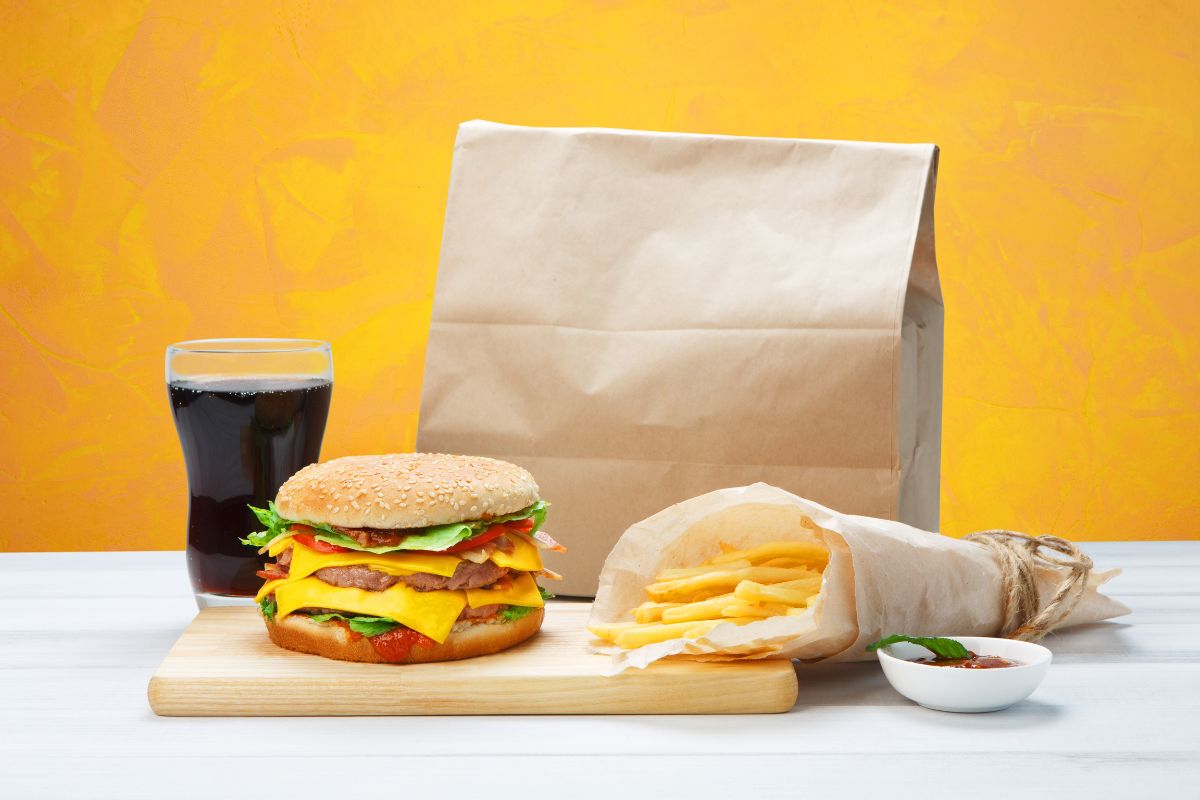
The global QSR sector has been fueled by strong customer demand and loyalty, with influences stemming from the local market.
Quick Service restaurants are set for even further global growth, estimated to reach USD $1.25 trillion within the next ten years, nearly twice what it was estimated to be in 2024, at a compound annual growth rate of 5.28 percent. This data was released by a new industry report by Research and Markets on the QSR sector.
The local New Zealand and Australian markets are expected to strongly contribute to the sector’s global growth, with new openings on the horizon from offshore and local companies.
Industry demand has been growing at a steady rate, fuelled by the continuously rising demand for ready-made meals, on-the-go snacks, cold cuts, and convenience foods.
Lifestyle has also been a key influence on market growth. With customers wanting quick and reliable meals in between their busy schedules, demand has supported QSR business. This has supported the growth of food delivery platforms, which have become a driving force within the sector. Food delivery platforms have also addressed the needed gap in the market.
In most QSR markets, the choice of where to dine is reflected in changing consumer behaviour and income. While major QSR brands, such as Domino’s, Pizza Hut, McDonald’s, KFC and Burger King, the growth of new brands and cuisines have risen in popularity and have become more accessible in developing countries.
Due to growing urbanisation, hectic lives, and increased disposable incomes, the fast-food industry is expanding rapidly worldwide. Consumption is highest in North America, followed by Europe and Asia-Pacific, where market expansion is aided by changing customer preferences and digital ordering platforms.
Since fast-food is becoming more and more popular among young people, worldwide fast-food chains are looking to expand into foreign markets. The business is also developing as a result of rising foreign investment, rising household incomes, an increasing millennial population, rising tourism, and changing consumer purchase patterns.
Read more news here.