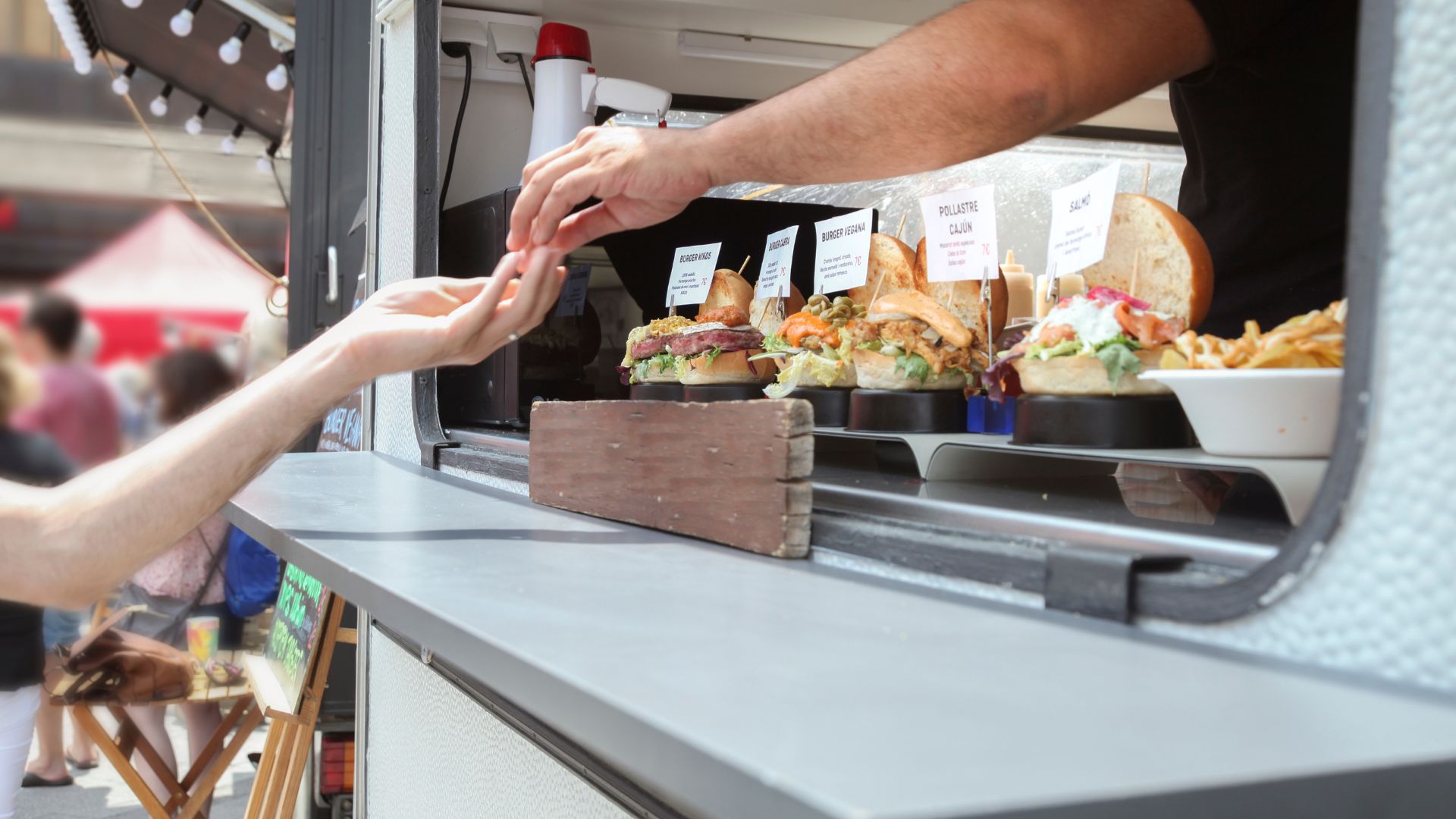
USA | The global mobile food services market size is estimated to grow by USD 17.7 billion from 2024 to 2028, according to a new report by research company Technavio.
The mobile food services market is estimated to grow at a CAGR of 9.48 percent during the forecast period. Rising demand for convenience foods is driving market growth, with a trend towards increasing marketing initiatives. However, fluctuations in food commodity prices poses a challenge.
Mobile food service vendors utilise various social media platforms for effective marketing communication. Twitter enables real-time interaction with customers, providing location updates and responding to queries. Facebook and Instagram offer a diverse audience pool, with brand-specific hashtags increasing reach. Foursquare is ideal for food truck owners, boosting footfall with location-based services. YouTube provides a platform for informative and engaging video content, attracting and retaining customers. LinkedIn facilitates business-to-business conversations, expertise demonstration, and partner/supplier connections. The increasing use of these platforms drives the growth of the mobile food services market.
The Mobile Food Services Market is experiencing a surge in demand due to its budget-friendly, time-saving, and convenient offerings. Online orders and home delivery are popular trends, leading to an increase in joint ventures and foreign investments. Key US market players like Kogi BBQ, DessertTruck Works, Don Chow Tacos, Baby's Badass Burgers, Flying Pig Truck, Bian Dang, and Burgerville are focusing on sustainable practices and improved packaging processes. The propensity of substitutes, such as brick-and-mortar restaurants, is being addressed through hygiene standards and urbanization. The fast food sector and convenience food are major target audiences, with e-Commerce apps simplifying the ordering process. Inflation and raw material costs are challenges, but the food truck segment continues to thrive in the gourmet cuisine scene, catering to millennials' preferences for innovative food cuisine.
The mobile food services market relies heavily on the availability and pricing of raw materials for food processing, such as vegetables, sugar, grains, meat, salt, and dairy products. Any disruption in the supply of these commodities, often due to adverse weather conditions or natural calamities, can negatively impact market growth. For instance, El Niño, an irregular weather phenomenon, can cause significant disruptions to crop production in regions like South Asia, Africa, and South America, leading to increased food commodity prices and potential shortages.
Mobile food service providers must balance the need to maintain quality and competitive pricing, as the market is price-driven. However, the cost of production can put pressure on profit margins, creating a challenge for vendors to attract consumers while managing their bottom line. Overall, fluctuations in food commodity prices pose a significant hurdle to the growth of the mobile food services market.