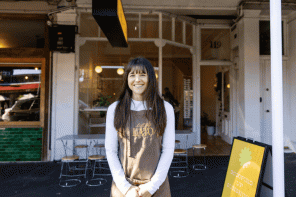


Owner of bakery and café business Bread & Butter, Isabel Pasch, started baking as a little girl.
“I remember making waffles and having trouble holding the electric mixer in one hand and steadying the bowl with the other.”
Pasch’s mother and grandmother were passionate cake bakers, and her earliest memories are of being in her grandmother's kitchen - where there was always cake.
Pasch has never completed formal training in baking. In her hometown of Berlin, she studied microbiology and science communication, working there in that field for a number of years before falling in love with a kiwi and making the move to Auckland.
Settling in Auckland, Pasch felt desperation at the lack of proper sourdough breads available. She looked at how she could combine her passion for baking with her desire to contribute something good to the world, and in 2010 started Auckland’s first organic sourdough bakery.
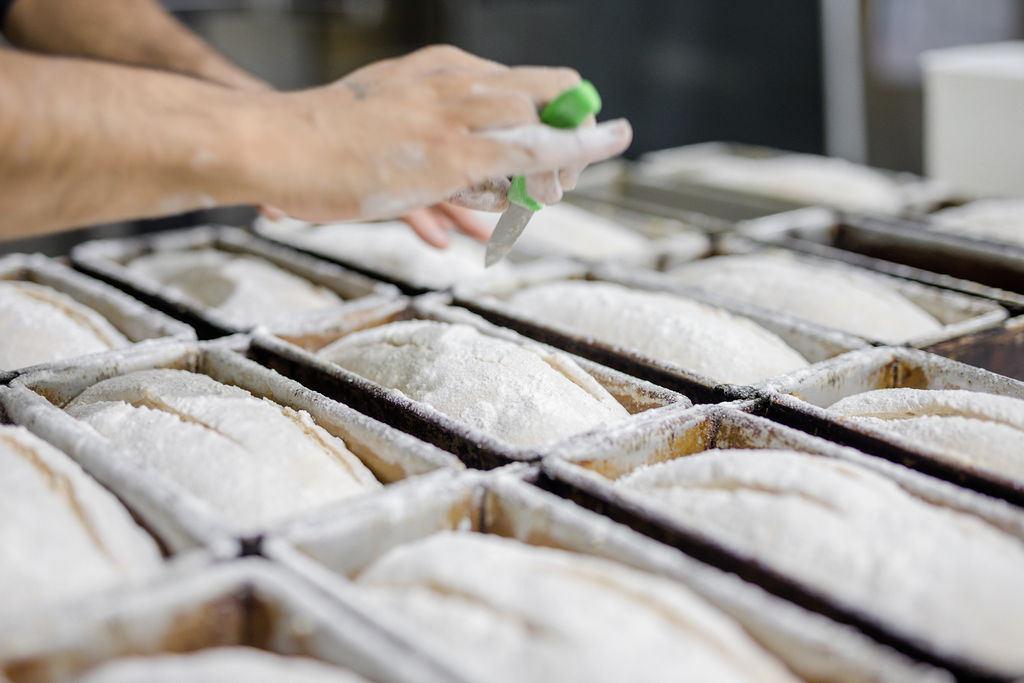
At Bread & Butter, Pasch focuses on the traditional craft - long slow sourdough fermentation and organic ingredients are grown without the use of damaging synthetic fertilisers, pesticides, and herbicides that destroy biodiversity.
“By making real bread, I hoped to find a way to talk to people about food and how it’s making people and the planet sick. That’s what I have done ever since.”
Pasch finds industrial bread, and the thinking around the making of that type of food is where the fork in the road of food production went from producing something that is nourishing to something that is about convenience, speed, efficiency, yield, and profit.
The ancient technique of sourdough fermentation is far superior to the quick, fast-acting, yeast-only fermentation of industrial bread production as it gives bread time to develop textures and flavours and makes difficult-to-digest components in bread more easily digestible.
“Sourdough fermentation allows us to access nutrients that are otherwise locked up. Most of all, it honours an ancient tradition that goes back thousands of years.”
Bread & Butter’s Ancient Grain Sourdough is Pasch’s favourite loaf.
“Not only does it taste fantastic, but I also love the smell of the dough and the softness of it.”
Pasch’s bread passion is clear, and she finds the ultimate reward in making good, honest, healthy breads that can improve health and lives.
All of the bakery and café’s breads are made with organic ingredients. Customers will find a selection of traditional German sourdoughs, French crusty baguettes, wheat-free sourdoughs, and seeded loaves. Bread & Butter’s Swiss Loaf is a pretty unique recipe that uses 100 percent spelt flour, suitable for people with wheat intolerance (although not coeliacs), providing something that resembles a soft white loaf while delivering so much more nutrition. The Swiss loaf is popular with families who have recognised that giving their children better bread is an important part of their nutrition.
Bread & Butter’s most popular item is their delicious buttery croissants, of which they make thousands every week. The bakery’s cakes and pastries are all made according to traditional recipes that place the utmost importance on taste and original style. The team doesn't use any premixes, additives or off-the-shelf fillings. Some of the ingredients in their pastries are organic, though not all, Pasch strives to use as much local New Zealand produce as is feasible.
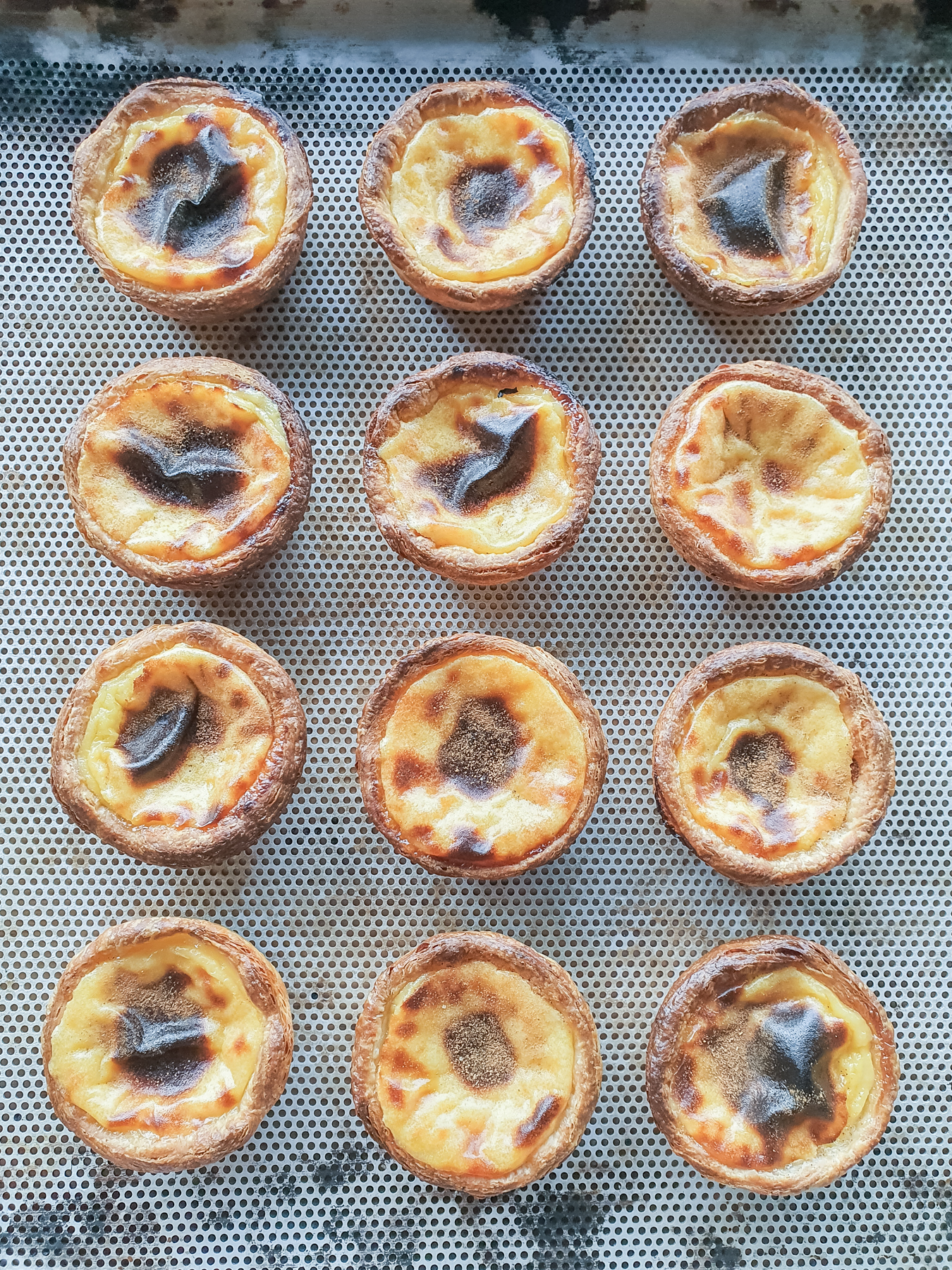
Portuguese Tarts are Pasch’s favourite sweet treat to make at the bakery.
“I love vanilla, and the crispy pastry combined with the creamy egg custard is just such a winning combination. That with a cup of strong coffee is often what gets me through the afternoon of a long day.”
She also loves the plaiting rhythm and look of Bread & Butter’s Challa - a plaited brioche loaf.
Overall, Pasch’s approach to baking is conscientious. As more small bakeries pop up, the baker hopes that ditching the industrial for good, locally-made, organic bread will become more normal. Several bakeries are using New Zealand-grown wheat to make their real sourdough, and with a group of passionate bakers and farmers, Pasch is working to build somewhat more of a local grain economy in New Zealand again.
“Using New Zealand-grown wheat is something that a few bakers are doing, although it can be a lot more difficult than it sounds because most of the grain in New Zealand is grown for animal feed. Milling wheat is hard to come by, especially in Auckland and especially for us - since we insist on organic or at minimum a no-spray approach.”
Everybody eats, and Pasch sees baking as a way to communicate with others. She has spent many years spreading the word about better bread, better nutrition and a better food system.
“New Zealand needs to have more honest conversations about food and what it is doing to people’s health. What kind of food are we producing as a nation? Why are so many people in this country unable to access healthier food? Why are we championing the exporters while at the same time ignoring the strife that small producers and growers are in, especially since Covid? Has anyone asked about the mental health of food producers? And what is our plan as a nation? Do we want to become more self-reliant? If so, how do we achieve that?”
One day, Pasch would like to write a book but for now, she is happy at the Grey Lynn HQ of Bread & Butter.
“Seeing and smelling freshly baked bread coming out of the oven and knowing that countless generations and people before me have stood and experienced that same thing is humbling and makes me get through my day, even when everything else sometimes seems too hard.”
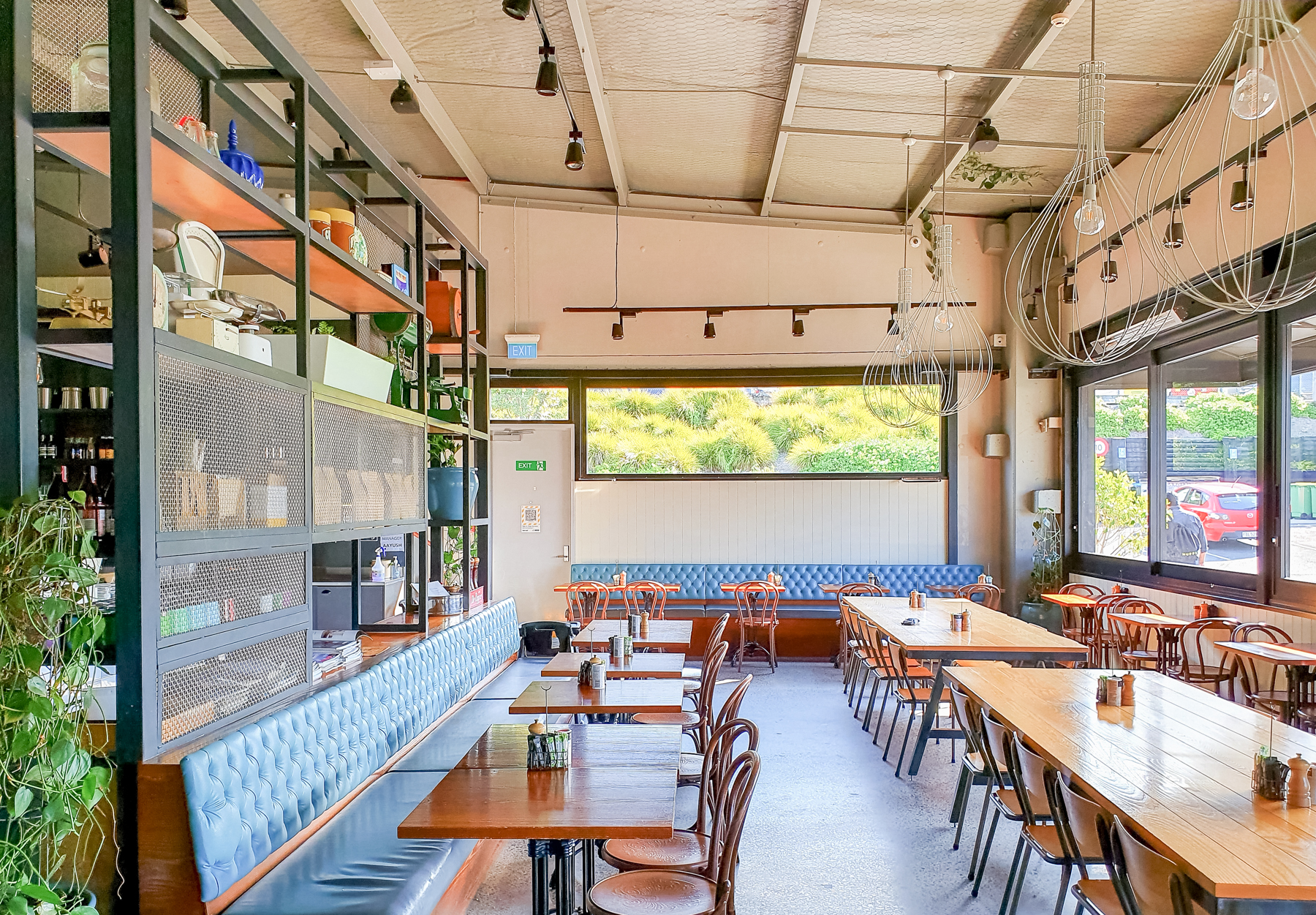
The café is located on Westmoreland Street West, Grey Lynn, and the bakery’s goods can also be found at central markets - Parnell Farmers Market, City Centre Market, and Grey Lynn Farmers Market. Bread & Butter is stocked at selected stores across Auckland and in Hastings.
breadandbutter.nz