
Jill Mulvaney's passion for distilling came around 15 years ago when she was gifted a tiny copper still. After having dinner with a friend, who showed her how to use it, she was hooked.
This set her on a path of importing and selling copper stills sourced by coppersmiths in Portugal, eventually leading to her setting up the Alembics Lab.
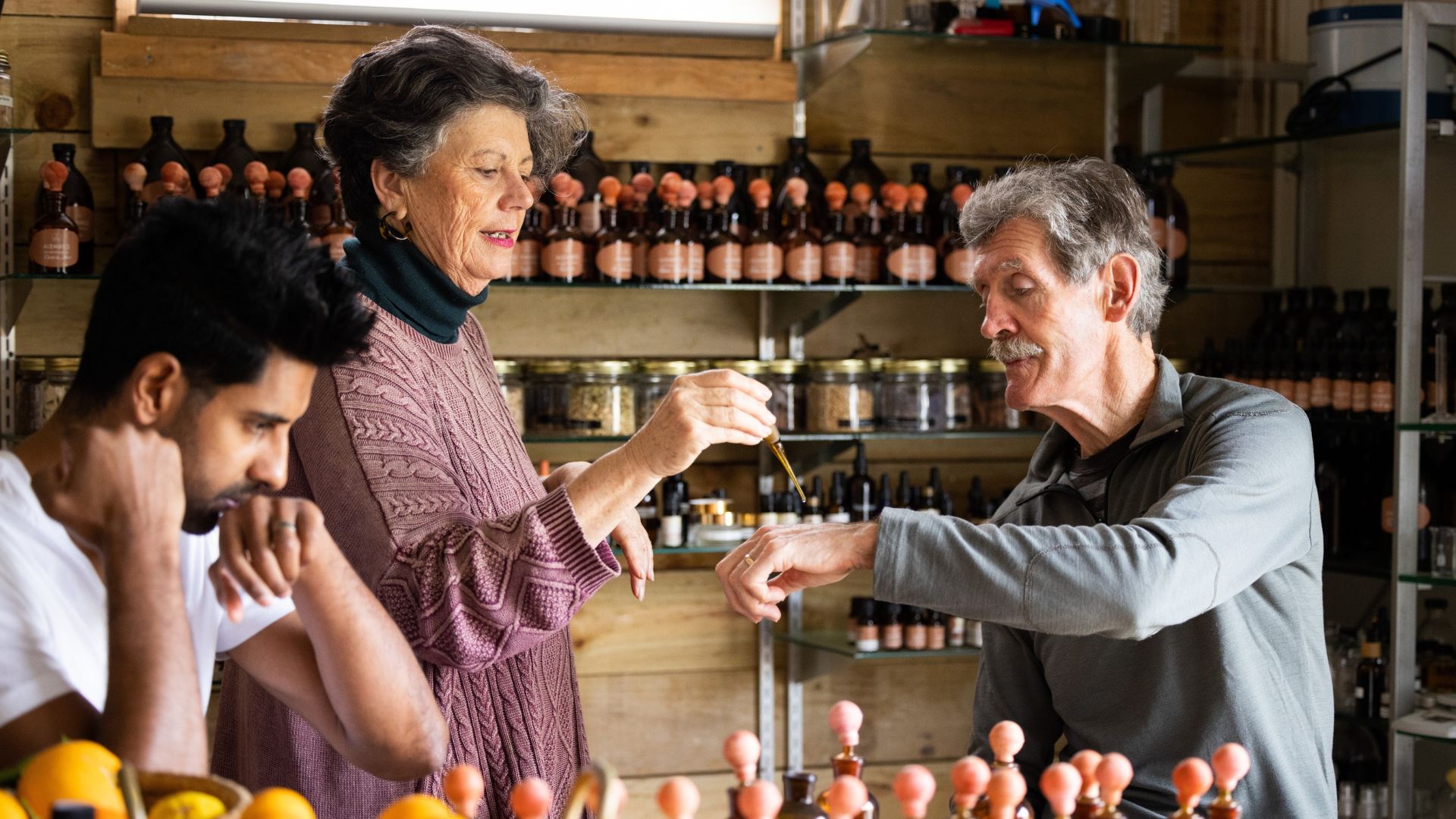
The Alembics Lab is for teaching, consulting, and creating, and is the result of Mulvaney realising that she could teach people how to use the stills. She said the local distilling industry in New Zealand had taken off since home distilling was fully legalised in 1996. The lab is designed to assist those passionate about distilling or who want to start their brand. When Covid hit, Mulvaney's classes switched to being online, and from here, it's grown to include all consulting and teaching services.
"New Zealand is one of the few countries where you can distil your own alcohol (as long as you don't sell it), which has led to so much innovation and invention. It's a great space to work in, and we've grown with the industry," said Mulvaney.
Mulvaney had done many things before arriving in the world of distilling, including working in the food industry and in adult education, and had a business where she imported and sourced a large range of essential oils and raw materials for skincare products.
Every day is different for Mulvaney, depending on what is on the calendar. She said that her usual alarm is set for 04:00 am and begins the day with one of the courses she is currently enrolled in. She's at work early to plan the day, which could be anything from product development consultation or even helping develop new recipes for gins, aromatic spirits, or perfumes. After a busy day at the office, she enjoys taking in the fresh air on a walk or spending time in the garden.
Her emphasis is not on selling distilling equipment but instead on helping people make their own products and to develop ideas.
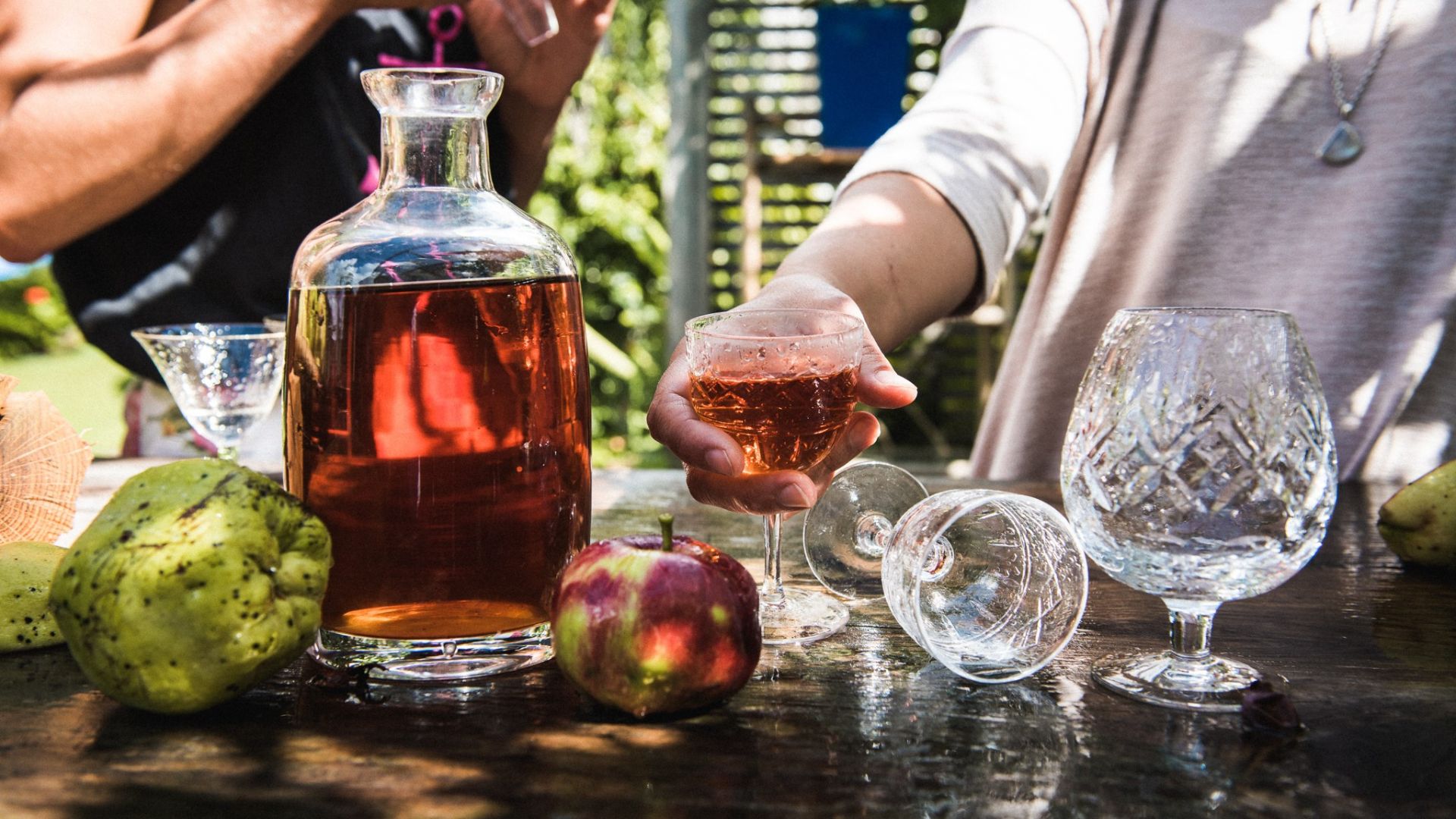
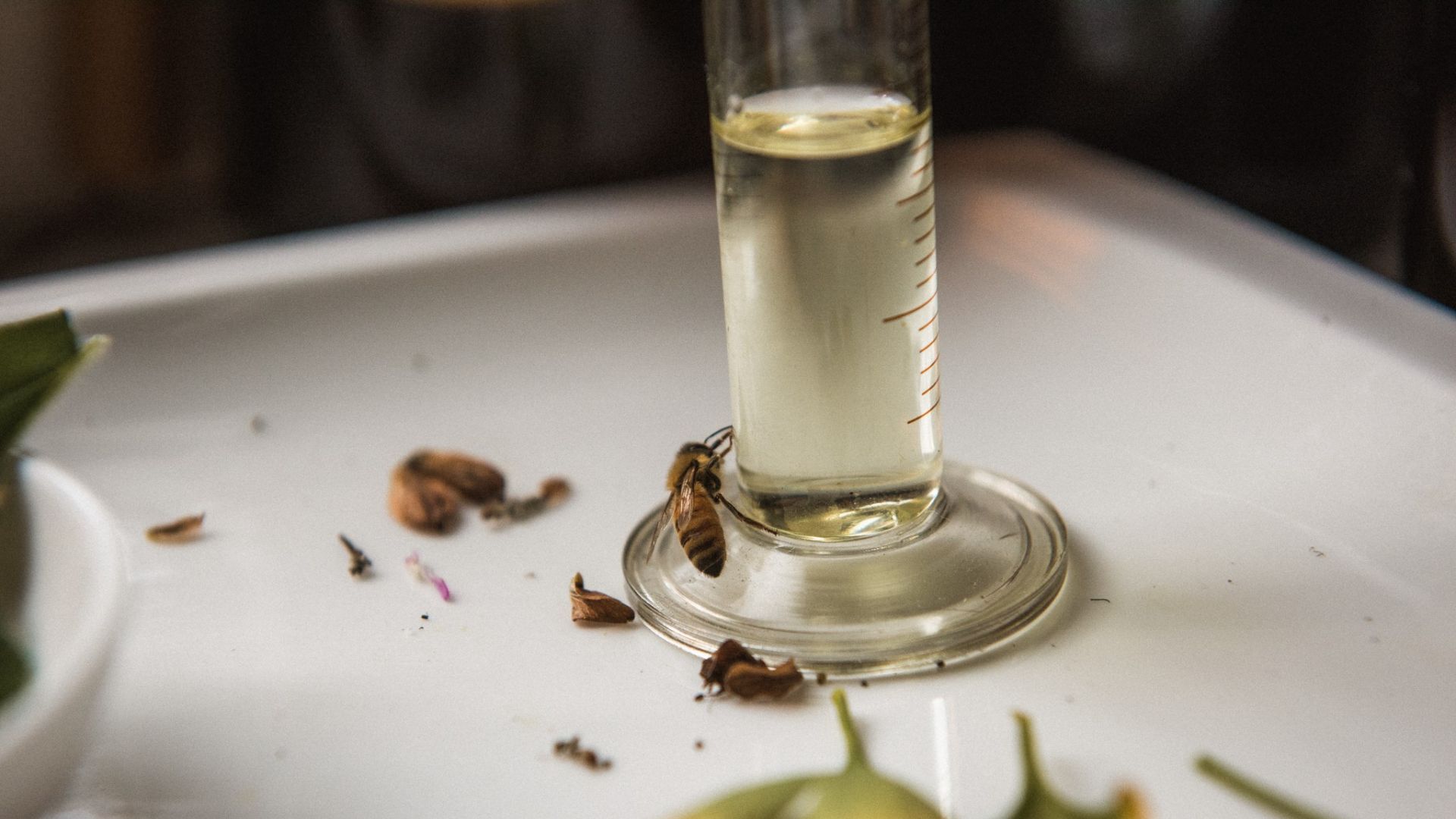
"We teach both aromatic and alcohol distillation at The Alembics Lab, and these are practical courses that show people how to make their own essential oils, hydrosols and spirits. When you're working with aroma and flavour, there is a great benefit in understanding all these techniques and taking advantage of the synergies in their practice."
Mulvaney also said that she considers collaboration to be the key to success and enjoys working with enthusiastic people and being able to invent. Teaching and working alongside other experts in her field and making it achievable for people to enter distillation beginning on a small and sustainable scale are also rewarding elements of her job.
To make a great spirit, Mulvaney said it depends on what type you are attempting to make. She added that a great neutral spirit has a minimal smell and taste, but it needs to have a good mouth feel. Regarding making a great gin, she said that it has to be a synergy of all the botanicals used so that it is something brand new.
The Lab itself is located in the old Blackpool General Store on Waiheke Island, which has stood since the 1940s. It's finally getting a facelift to cater for the Lab's needs, with more light, more warmth, and more space to teach.
In the future, Mulvaney hopes she can slow down but said that she doesn't think that will happen. With plans to explore neutral spirits, coloured spirits, zero ABV drinks, and a new set of aromatic distilling courses, there is still much more in the works yet to come.
"Personally, I want to do more making and more learning. I have lots of questions and things I still want to learn, especially around plants and the extraordinary sophistication and knowledge that they carry."
Above all, Mulvaney wants to encourage people to try distilling and how it can build a relationship with the natural world.