
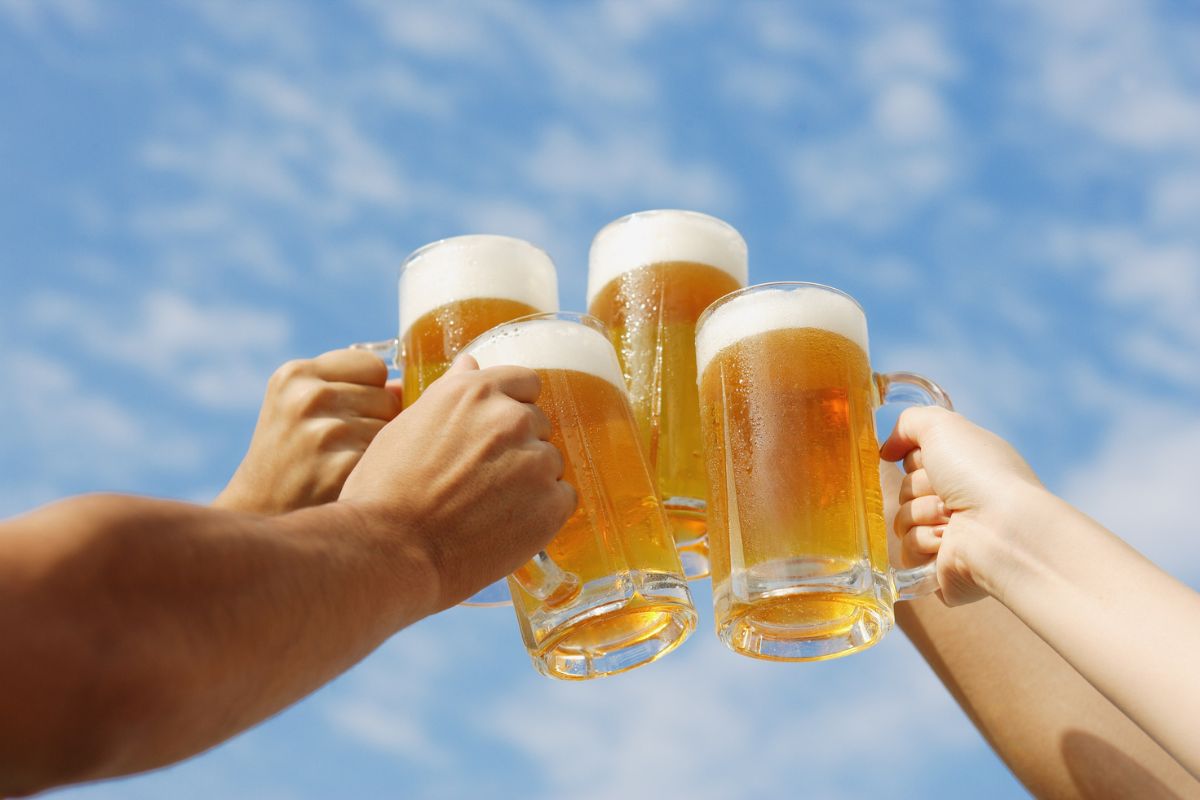
New data shows Kiwis have been choosing lighter beers, with the biggest drops at the riskier end.
Beer remains New Zealand’s drink of choice, and Kiwis are increasingly reaching for lighter options, with low-carb beers driving growth, according to Stats NZ figures.
Beer between 2.5 percent and 4.35 percent alcohol by volume (ABV) grew 7.5 percent in the year to September 2026 to 91.1 million litres, adding 6.4 million litres and the strongest growth of any beer, wine or spirits category in the data.
This part of the market, which includes traditional four percent mainstream beers and most low-carb beers, now accounts for 35 percent of all beer, up from 30 percent a year ago.
Over the same period, beer between 4.35 percent and 5 percent fell 14 percent, and beer above five percent has roughly halved since 2021.
Beer has continued to account for almost six in every ten litres of alcoholic drinks available in New Zealand, virtually unchanged from 2020, even as wine has fallen for six years in a row.
Brewers Association Executive Director Dylan Firth said low-carb is behind the growth.
“Kiwis still love a beer. What’s changing is the beer they’re choosing. Low-carb beers have become a go-to for a lot of people who want to enjoy a beer with friends or at the pub while keeping an eye on their health, and most of them sit right in that four percent range. That’s where the growth is coming from, and it’s a real positive for the category,” said Firth.
“And these numbers only tell part of the story. Retail sales data shows zero-alcohol beer is also growing. More Kiwis are choosing a zero on some occasions, and that’s another great choice to have.”
He added that New Zealand brewers have backed that shift. There is more choice than ever across low-carb, low-alcohol and zero-alcohol beer, and the quality has never been better, and consumers have noticed.
The overall picture is tougher. Total beer volumes fell 6.3 percent to 260.5 million litres, a drop of 17.6 million litres, as growth in lighter beers was outweighed by a 14 percent fall in beer between 4.35 percent and 5 percent.
Across all categories, the volume of alcoholic drinks available fell 4.8 percent to 437.8 million litres, and pure alcohol available per person aged 15 and over fell 5.2 percent to 6.9 litres, the lowest on record and around 20 percent lower than in 2021.
“We’re not going to pretend a six percent fall in beer is easy. Lower volumes put real pressure on brewers, on the pubs, bars and restaurants that sell our beer, and on the jobs that depend on them, all at a time when their own costs are rising,” added Firth.
“Brewers are adapting fast, and the growth in low-carb and zero shows they’re getting it right on what consumers want. But the market is smaller than it was, and that’s the reality the whole industry is now operating in.”
There is a positive side to the decline. The latest NZ Health Survey showed the biggest changes are happening where they matter most.
Over the past five years, hazardous drinking has fallen by almost a quarter to 15.2 percent of adults, the lowest on record; weekly heavy drinking has fallen by 40 percent; and hazardous drinking among 18 to 24-year-olds has fallen from 35 percent to 22 percent. More than five in six adults do not have a hazardous drinking pattern.
Firth added that if people were simply drinking a little less across the board, one would expect risky drinking to fall at the same rate as total alcohol, but it's falling faster, meaning New Zealanders are making more deliberate decisions about how much, how often and what strength they drink, and young adults are leading the way.
He also said household budgets are tight, and that is part of the story, but if it were only about cost, one would expect people to trade down to cheaper products, not lower-strength ones.
Firth believed policy needed to catch up with that reality.
“Alcohol is at record lows and risky drinking is falling fastest, yet excise still goes up automatically every year, so brewers and pubs pay more on a shrinking market. Policy should focus on the minority who are still drinking at harmful levels, not on blanket measures that fall mainly on the moderate majority and on local hospitality.”


