Breweries across New Zealand have signalled fear over obtaining and dispatching kegs, impacting suppliers and hospitality operators.
With an umbrella of uncertainty hanging over the brewing industry, hospitality operators fear that the future of craft beer could be at risk unless urgent action is taken. Following Konvoy’s move into liquidation, there is no longer any competition between the kegs that breweries use to get their beer into pubs, leaving Kegstar as the only keg company in the New Zealand market.
In April, the Commerce Commission declined to give clearance to Kegstar New Zealand to acquire Konvoy’s kegs, beacons attached to those kegs or held in inventory, and the New Zealand keg records from Konvoy New Zealand.
Chair Dr John Small said that the Commission was not satisfied that the merger would not have the effect of substantially lessening competition in the market for the supply of PPF services in New Zealand.
“The evidence gathered by the Commission indicated that Kegstar and Konvoy compete closely for the supply of PPF services to customers, and the merger would eliminate this competition. Our investigation showed that there are no existing competitors that could constrain the merged entity, and that entry from a new competitor is unlikely,” Dr Small said.
The Commission was not satisfied that the ability of some customers to self-supply instead of using PPF services would be sufficient to prevent an exercise of market power by the merged entity.
In addition to this, absent the Proposed Acquisition, the Commerce Commission considered there to be a real chance that Konvoy or its assets would remain in the relevant market to operate or be used in competition with Kegstar.
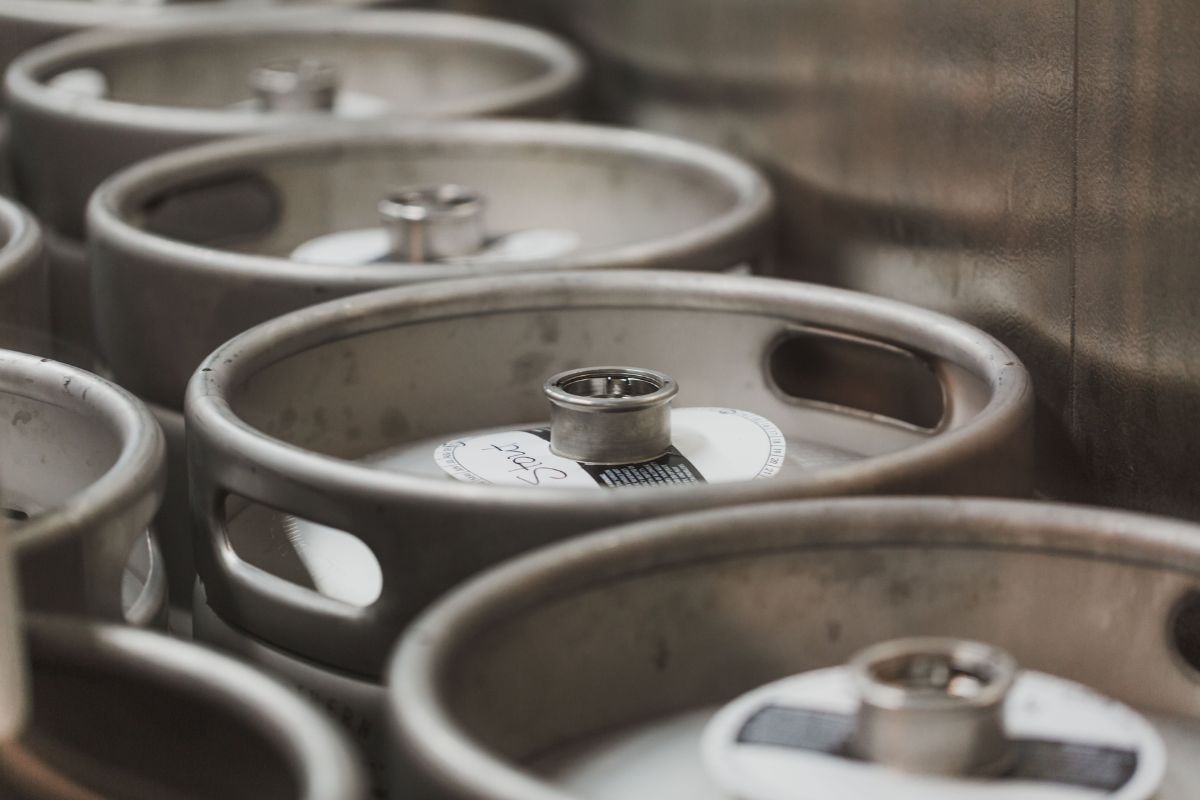
The concept of breweries using their own kegs is a flawed system for many. Kegs, which are typically leased, cost roughly NZD 230 to lease each and often go missing, are stolen or are caught up in supply chain gaps.
The financial burden of running a brewery's own internal keg system would cost in the hundreds of thousands and is a cost many simply can’t afford.
On average, keg sales account for roughly 20 to 40 percent for each brewery.
The uncertainty of attaining kegs has meant many breweries are also producing less to avoid stock from becoming stale.
This has followed calls from industry leaders for a 50 percent reduction in draught beer excise to boost on-premise venues and regional communities.
Advocates believed this targeted change would lower a major input cost, improve the viability of businesses, and support the regional communities that rely on pubs, bars and taprooms for jobs and local economic activity.
Having a thriving pub sector is critical to local employment, tourism and the social fabric of New Zealand. Reducing excise on draught beer is a practical step that will support the wider industry.
Executive Director of the Brewers Guild of New Zealand, Melanie Kees, said that breweries, especially small and regional operators, are already under pressure from rising production and compliance costs, and current excise settings increase that burden.
“Reducing excise on beer served from kegs would not only support their ability to do business but also strengthen the entire value chain while protecting the community infrastructure and social spaces that pubs, bars, and taprooms provide,” said Kees.
The market share of on-premise sales has shrunk from around 40 percent to approximately 15 percent over the past 10 years, as more Kiwis have steadily shifted towards drinking at home.
The cost of going out has been a large contributor to this shift, as a Curia survey revealed 47 percent of respondents can’t afford it. Among regular draught beer drinkers, 82 percent said they often choose to drink at home due to cost.
Many breweries and hospitality operators are optimistic that there will be a turning point for the industry. However, they collectively agree that there is an urgent need for action now to avoid any future offsets.
Subscribe to the Restaurant & Café newsletter for weekly industry updates and event coverage.