The potential closure of several Rekom UK nightclub venues revealed that Gen Z are less likely to socialise outside the home and instead value more intimate situations, threatening the nightclub industry.
When a nightclub owner of Rekom UK announced the potential closure, the failure was partly attributed to students cutting back on partying due to the cost of living crisis and the consumption of less alcohol.
Behavioural changes among students aged 18 and 22 would have a large economic impact on the nightclub and bar industry and the wider grocery landscape.
Data from GlobalData’s Q4 2023 survey revealed that 21 percent of Gen Z plan on socialising less frequently with their friends and family outside of the home over the last three months. This rose from the beginning of 2023, when only 17 percent agreed with the previous statement.
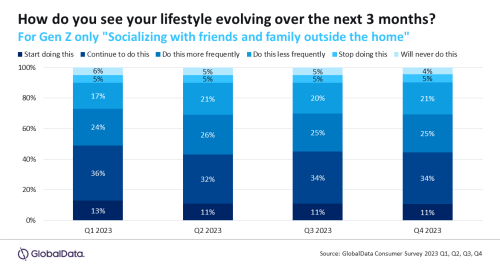
“While Gen Z shares some interests and characteristics with its predecessors, there are many differences that set them apart from the rest—21 percent of Gen Zs report living in a one—or two-person household,” said Nisarga Save, senior consultant and beverages analyst at GlobalData.
“The reality of owning a house and other large financial commitments often feels out of reach, and this perceived distance of time encourages them to spend instead of save.”
“They are also spending more time at home and choosing different forms of entertainment on traditional occasions, including night clubs, when they go out.”
Due to Gen Z’s dependence on mobile phones and social media, businesses have increased the number of direct and personal marketing attempts to boost nightlife.
Statistics found that Gen Z consumers are driven by holistic health and living a balanced lifestyle, causing non-alcoholic and functional beverages to grow in popularity.
Thirty percent of Gen Zs surveyed confessed to being extremely concerned about their mental well-being, stating they would like to take more rest and relaxation time. This coincides with the advent of social media and how it pushes consumers to be more conscious of their image.
“Gen Z places higher importance on close and intimate gatherings, which are more personal rather than going out in larger groups,” Save stated.
“They are more likely to be attracted to brands who offer them ways to enjoy these occasions with innovative flavours, pack sizes fit for at-home consumption, brands offering ‘insperiences’, and genuine messaging around ‘me time’ and human connections are some of the ways food and beverage companies can appeal to and remain relevant to this generation.”