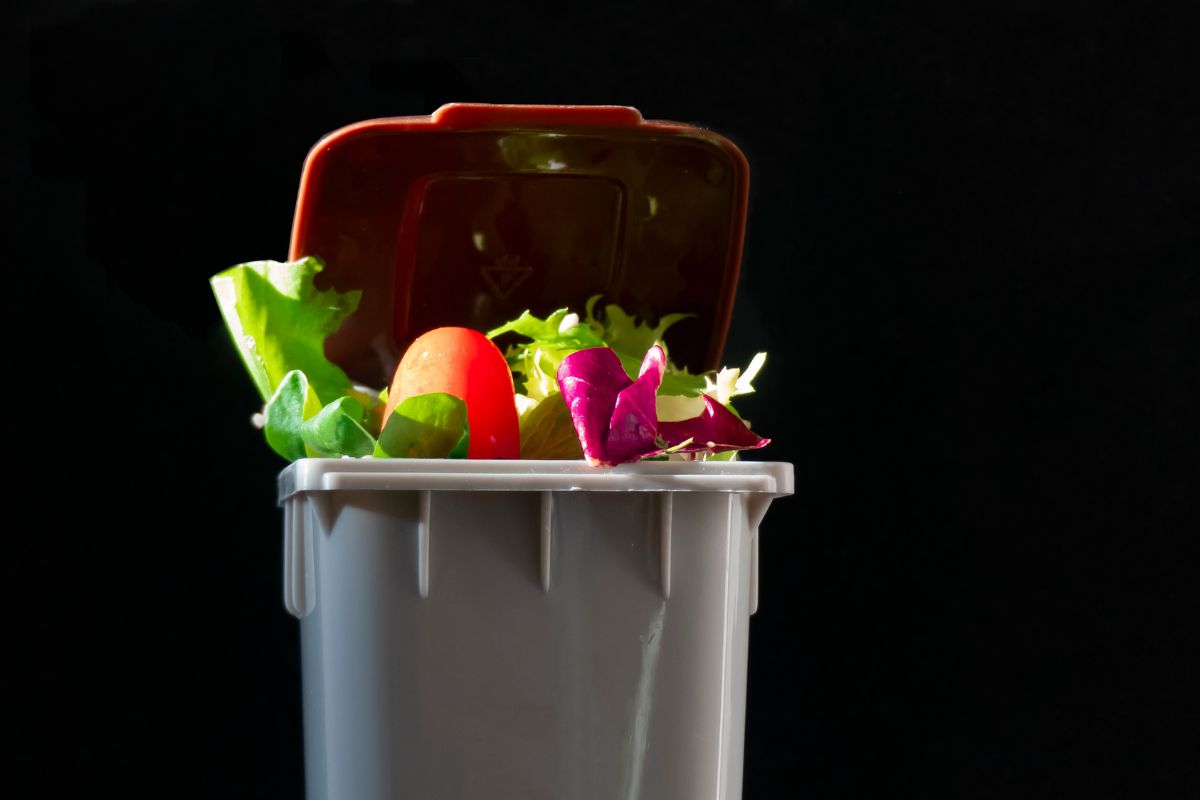
Food waste has been identified as an untapped performance opportunity for New Zealand businesses to reduce costs and improve operations.
New research has shown that while many New Zealand food businesses are taking action on food waste, significant opportunities remain to reduce costs and improve operational performance.
The survey, led by Kai Commitment, gathered more than 3000 insights from medium and large businesses across the food sector.
It found that only one in three businesses believes their food waste is under control, while nearly 60 percent say more work is needed. Despite this, more than half are already reporting cost savings.
The findings also show that most food waste in New Zealand businesses is preventable, with the leading drivers including product quality and specification issues, supply chain constraints, forecasting challenges and human error.
Kai Commitment Interim Executive Director Carmen Doran said the findings highlight a need to rethink how businesses approach food waste.
“Food waste is often framed as a sustainability issue, but what this research highlights is that it is fundamentally a business performance issue,” said Doran.
“It impacts margins, operational efficiency, and increasingly how businesses meet reporting and customer expectations. The opportunity is real, and many businesses are already seeing the benefits when they start to measure and manage it properly.”
Kai Commitment’s own programme data reinforces this, showing that businesses taking a structured, data-driven approach to food waste are reducing waste and improving performance. Across participating businesses, food sent to landfill has fallen by 85 percent from baseline levels, alongside improvements in operational efficiency and reductions in emissions.
The survey also identified gaps in how businesses measure and manage food waste. While nearly 80 percent track the volume of food waste, only around half measure its causes and financial impact. Around a third measure the environmental footprint of their food waste, while ten percent collect no data at all.
Many businesses lack clear structure around wastage, with fewer than half having formal action plans or targets, and only a small proportion assigning senior leadership accountability.
Global supply chain and operations expert Ian Walsh, Managing Director of Argon & Co, said the findings reflect a wider productivity challenge facing New Zealand businesses.
“New Zealand has been falling behind other OECD countries in productivity growth, and one of the reasons is that we are not consistently adopting proven best practices in how we run our operations,” said Walsh.
“Reducing waste is not a new concept. Leading global companies have been applying lean principles for decades. What this research shows is that the same opportunity exists here, particularly in how businesses manage food.”
Walsh said food waste should be viewed as part of a broader operational improvement approach.
“Food waste is one form of operational waste. If you produce more than you need, move product inefficiently, or add unnecessary processing, you create cost and inefficiency. Addressing waste is part of building a more productive, competitive business.”
The research also found a strong appetite for action, with 60 percent of businesses planning to increase investment in food waste reduction over the next two years.
Doran said the focus now needs to shift from isolated activity to more structured, system-wide approaches.
“What we’re seeing is a sector that is motivated and making progress, but not yet operating in a consistent, strategic way,” she added.
“With stronger measurement, clearer targets, and greater alignment across supply chains, businesses can unlock significant value. This is about moving from one-off initiatives to embedded ways of working.”
Walsh added that this shift is critical for long-term competitiveness.
“Reducing waste is not a one-off project. It requires a structured approach and, ultimately, a change in how businesses operate day to day,” he said.
“Those who do this well don’t just reduce costs. They build resilience, meet customer expectations, and create a competitive advantage.”
Kai Commitment is a voluntary agreement supporting New Zealand’s food businesses to reduce food waste through measurement, best practice, and collaboration.
Subscribe to the Restaurant & Café newsletter for weekly industry updates and event coverage.