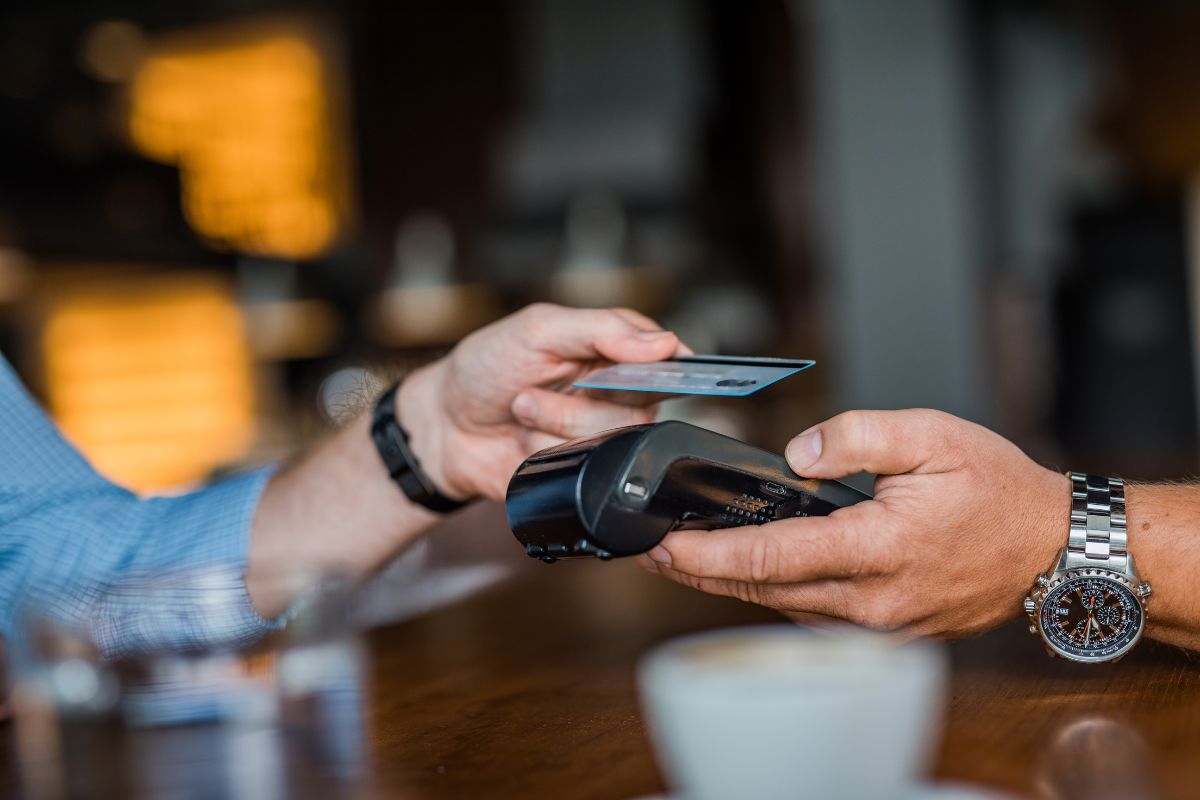
The Government's proposal to ban surcharges has been introduced to put money back into consumers' pockets.
The ban on surcharges has been introduced to put money back in Kiwis’ pockets, said Commerce and Consumer Affairs Minister Scott Simpson.
“Surcharges are a hassle and an unwelcome surprise when shoppers get to the till. That pesky note or sticker on the payment machine will become a thing of the past,” said Simpson.
“We’re banning surcharges so consumers can shop with confidence knowing how much they will pay for their purchases.
The Minister said New Zealanders are paying up to NZD 150 million in surcharges every year, including excessive surcharges of up to NZD 65 million. He said that is money that could be saved or spent elsewhere.
“By May 2026 at the latest, we will ban surcharges for in-store payments. Shoppers will no longer be penalised for their choice of payment method, whether that’s tapping, swiping or using their phone’s digital wallet.”
The ban follows the Commerce Commission decision to reduce interchange fees paid by businesses to accept Visa and Mastercard payments, a move to save businesses around NZD 90 million a year.
“Surcharges cover the fees businesses pay for accepting contactless payments and credit cards, but we know these are often excessive,” said Simpson.
He added that in some cases, the retailer doesn’t even make it clear what the percentage is.
“A ban on surcharges means no more surprises for people who currently feel like they’re being charged to use their own hard-earned money. It means they can make a purchase knowing exactly what they’ll pay, and how they’ll pay it.”
Hospitality NZ supports the Government’s proposal to ban surcharges on card payments, but cautions the move could result in increased costs being absorbed into general pricing for many hospitality businesses.
“We appreciate the intent behind this change. Simplifying the checkout experience for consumers is a positive step,” said Steve Armitage, Hospitality NZ’s Chief Executive.
“But at the same time, it’s important to recognise that electronic payments come with real costs to businesses. If surcharges are removed, many operators will have to adjust their pricing to reflect that, particularly for small hospitality operators already under pressure.”
More news here.