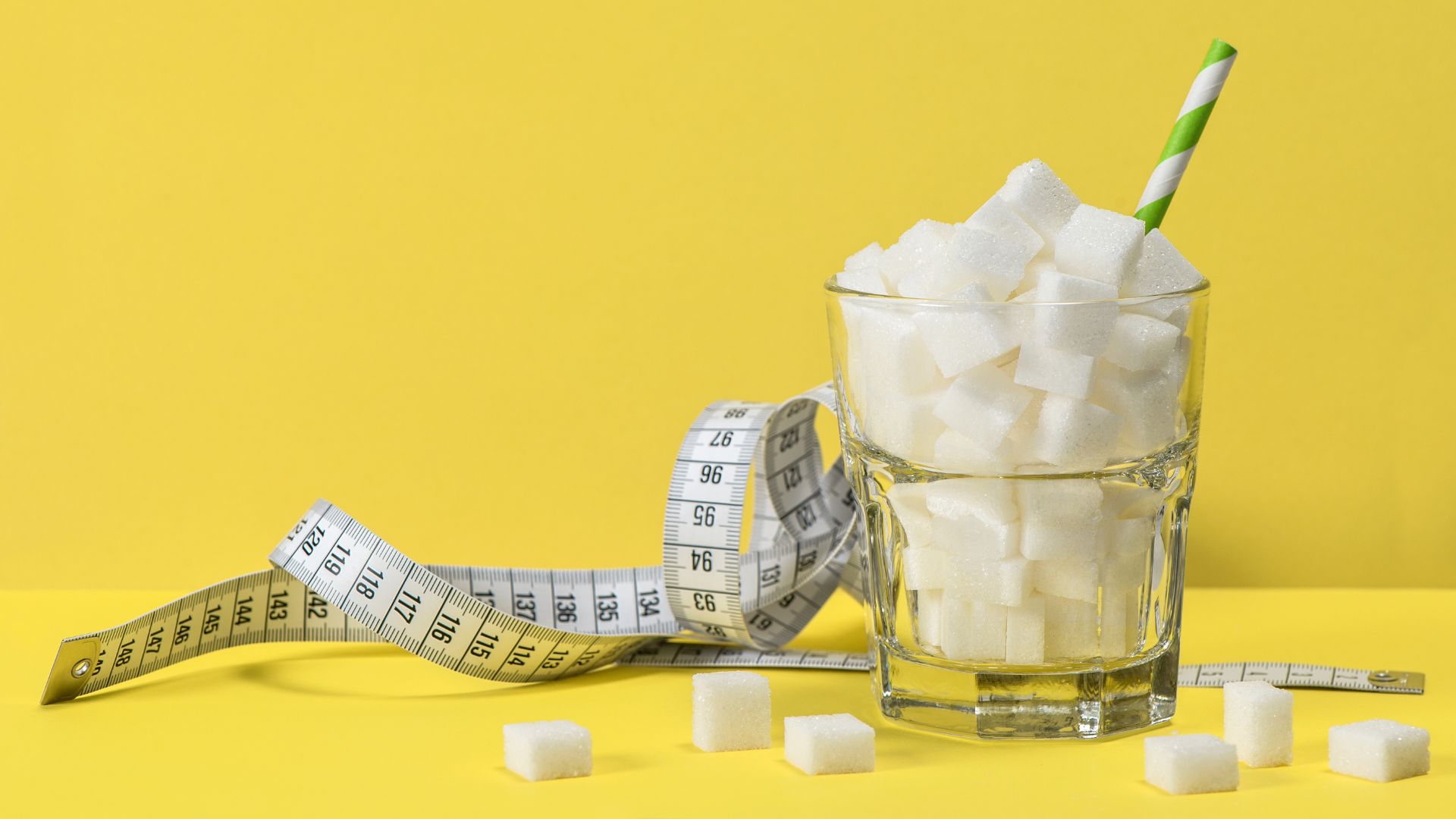
The global sugar-free food and beverages market size is estimated to grow by USD 40.13 billion from 2023-2027, according to Technavio. The market is estimated to grow at a CAGR of over 9.53 percent during the forecast period.
The sugar-free food and beverages market has experienced significant growth as retailers worldwide introduce their private-label brands to cater to health-conscious consumers. These offerings include sugar-free confectioneries, low-calorie foods, and sugar-free beverages. Key trends include organic, non-GMO, oil-free, and raw options. Amazon.com's 365 Everyday Value line is an example of this.
Consumers seek sugar-free alternatives due to health concerns, such as cardiovascular disease, diabetes, and obesity. Low-calorie solutions, sugar substitutes, and vegan, gluten-free options are also popular. This market expansion reflects the growing demand for nutritious, disease-specific, and dietary supplement alternatives to traditional sugar-intake sources.
The sugar-free food and beverage market encompasses various low-calorie and sugar-substitute alternatives. Studies have revealed health concerns associated with conventional sweeteners, including metabolic syndromes, coronary heart disease, hypertension, and vascular conditions. Consumption of sugar-sweetened and artificially sweetened beverages, such as maltitol-sweetened drinks or whey protein vanilla drinks, can increase risks.
This market includes a wide range of offerings, including vegan, gluten-free, raw, refined sugar-free, organic, non-GMO, oil-free, and dairy-free options. Low-carb beverages and sugar-free concepts are also popular. Despite these alternatives, it's crucial to be mindful of added sugars and sugar alternatives in processed foods and fast food sales.
The sugar-free-food and beverage market represents a significant and growing sector within the global food industry. This market caters to consumers seeking to reduce their sugar intake due to health concerns or dietary preferences. Various sugar substitutes, such as artificial sweeteners and natural alternatives like stevia, are used to produce sugar-free versions of popular food and beverage items.
These include soft drinks, confectionery, baked goods, dairy products, and fruit juices. The market is driven by increasing consumer awareness about the health risks associated with sugar consumption and the availability of a wide range of sugar-free options.
Additionally, technological advancements in sugar substitutes and food processing enable the production of high-quality, sugar-free products that closely mimic their sugary counterparts. The market is expected to continue growing due to these factors and the increasing demand for healthier food and beverage choices.
To read more global news, click here.