AUSTRALIA | The South Australian Government's move to ban single-use plastics has now included soy sauce containers.
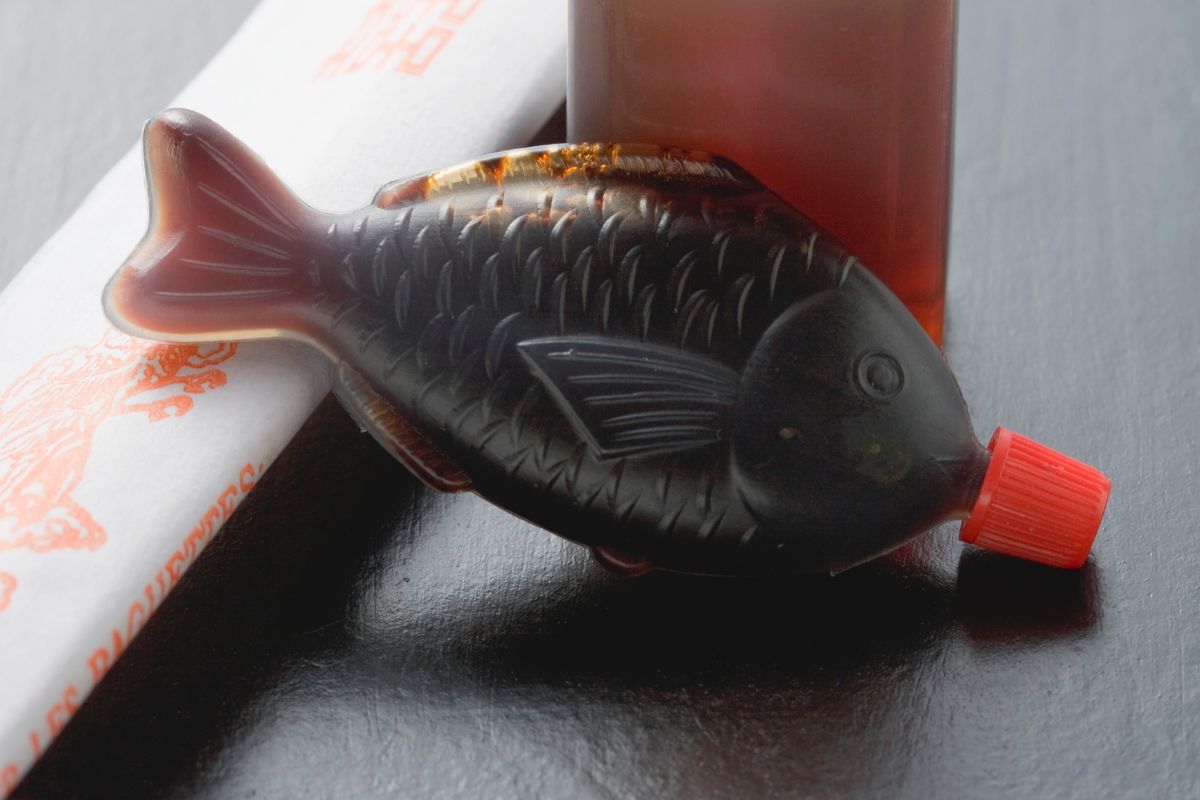
Plastic fish-shaped soy containers have been banned from use in South Australia in the latest round of single-use plastic bans aimed at reducing rubbish in its landscapes and waterways.
Each fish-shaped container is used for just seconds yet remains in the environment for years, causing harm and contributing to microplastic pollution.
The soy fish are a 'convenience packaging' item that can be replaced with bulk or refillable condiment solutions, or more manageable alternatives such as sachets, squeezable packs, or certified compostable containers.
Abby Zhang, owner of Hanamura Norwood restaurant, said her restaurant has always strived to serve fresh Japanese cuisine to the community while also being mindful of the environmental footprint.
“We made a significant change a while back by switching from soy sauce fish containers to more sustainable alternatives, such as compostable sauce containers. Our customers have been incredibly supportive of this transition,” said Zhang.
“We view this ban as a positive step forward for both the environment and the food industry, and we are proud to contribute to reducing single-use plastics.”
Marine animals and birds can mistake them for food, leading to ingestion, starvation, or injury. The cap and body parts can also pose a choking hazard. If littered, they can break into microplastics, which persist in soils, waterways, and oceans.
Other items to go include single-use plastic cutlery and plastic straws attached to food and beverages.
South Australia has been implementing bans on single-use plastics at the start of September each year since 2021, including single-use cutlery, plastic coffee cups and takeaway food containers.
Community consultation shows South Australians overwhelmingly support action to ban single-use plastic items. Of more than 3,000 people surveyed, 97 percent of respondents said they supported more single-use plastic items being banned.
Phasing out single-use plastics is an important way to reduce pollution, cut carbon emissions and protect marine life. Without action, the annual flow of plastic into the ocean alone will nearly triple by 2040 to 29 million metric tonnes per year, the equivalent of 50 kilograms of plastic for every metre of coastline worldwide.
South Australia has taken steps to address the impacts associated with a range of single-use plastic products and was the first jurisdiction in Australia to do so on a state-wide basis, beginning with single-use plastic shopping bags in 2009.
The Plastic Free SA program, funded through Green Industries SA will continue to provide free advice for South Australian Businesses on the best alternatives for their products and services.
More news here.