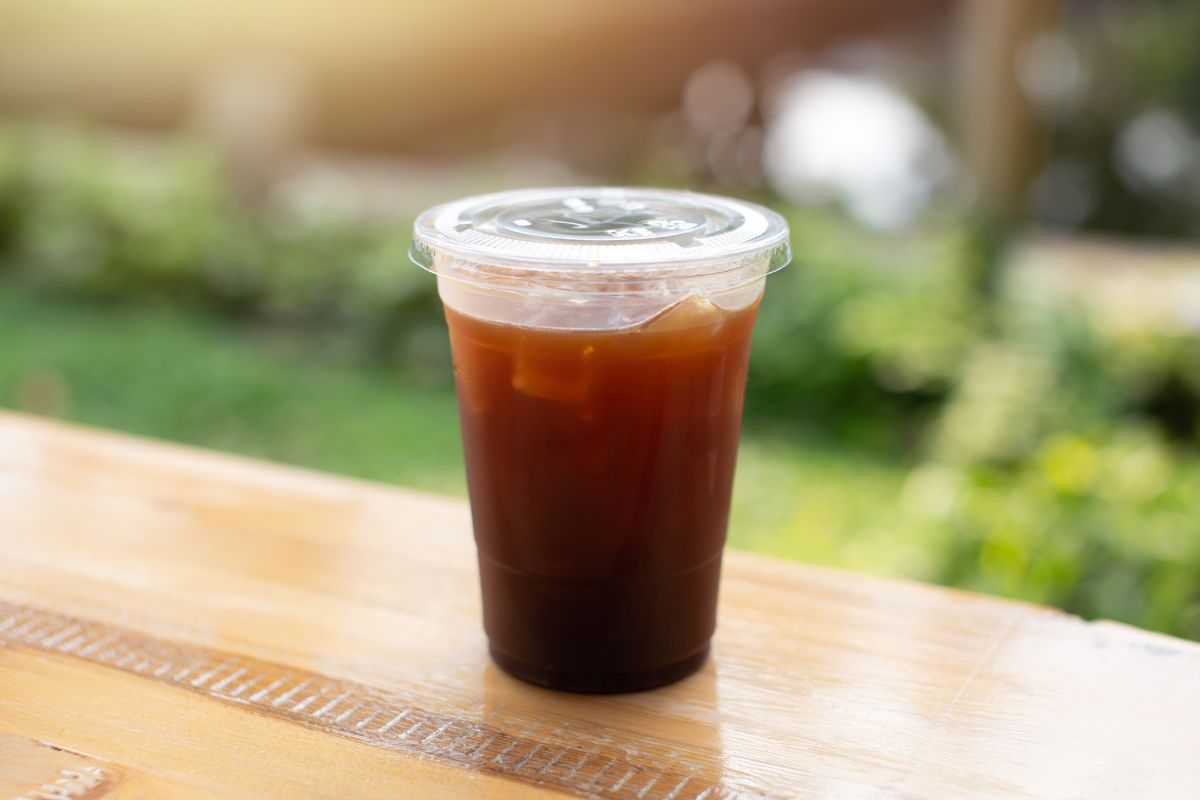
The plastic portion cup market is expected to grow extensively within the next decade, albeit with a more focused approach.
According to the latest IndexBox report on the global Plastic Portion Cup market, the market has entered 2026 with broader demand fundamentals, more disciplined procurement behaviour, and a more regionally diversified supply architecture.
The global Plastic Portion Cup market represents a high-volume, low-margin category that serves as a critical consumption enabler across foodservice, retail, healthcare, and institutional channels. Demand is fundamentally bifurcated between commoditised, price-sensitive bulk procurement for operational use and branded, benefit-led offerings targeting the home consumer, creating distinct competitive arenas with separate economics and strategic imperatives.
Private-label and generic manufacturers exert extreme downward pressure on pricing in the bulk institutional segment, while the retail shelf segment demonstrates nascent but clear premiumization vectors based on material claims, design functionality, and occasion-specific packaging. Channel power is overwhelmingly concentrated with large-scale foodservice distributors, big-box retailers, and club stores in the bulk segment, and with grocery, mass merchandisers, and e-commerce platforms in the consumer segment, making shelf access and distributor relationships primary sources of competitive advantage. Supply chain resilience and input cost volatility (primarily resin prices) are the dominant determinants of profitability, forcing manufacturers to excel in operational efficiency and hedging strategies, as the ability to pass cost increases through to buyers is severely limited in most segments.
Innovation is largely incremental and focused on packaging architecture, material clarity/rigidity, and low-cost functional claims, with true breakthrough innovation rare and often quickly commoditised. The regulatory environment is a growing shadow cost, with single-use plastic bans, extended producer responsibility (EPR) schemes, and recycled-content.
The baseline scenario for the Plastic Portion Cup market through 2035 projects moderate but steady volume growth, supported by structural demand from expanding foodservice sectors in developing regions and persistent convenience-driven consumption in mature markets. Global consumption is expected to rise at a compound annual growth rate of approximately 3.2 percent from 2025 to 2035, with the market index reaching 137 by 2035. This growth is underpinned by the continued proliferation of quick-service restaurants, takeaway and delivery culture, and single-serve portion packaging in retail and institutional settings.
However, the pace of expansion is tempered by regulatory headwinds in Europe and parts of North America, where single-use plastic bans and extended producer responsibility (EPR) schemes are accelerating substitution toward paper, aluminium, and compostable alternatives. In Asia-Pacific and Latin America, rising disposable incomes and urbanisation drive volume gains, though price sensitivity remains acute. The competitive landscape remains fragmented, with large integrated converters and regional players vying for scale and efficiency. Profitability will hinge on resin cost management, operational excellence, and the ability to offer differentiated sustainable product lines without eroding margins. The market is not expected to experience disruptive growth but rather a gradual evolution shaped by sustainability mandates, channel shifts, and material innovation.
Subscribe to the Restaurant & Café newsletter for weekly industry updates and event coverage.