Pets have the ability to boost hospitality venues' revenue and popularity, according to PD Pet Insurance COO Michelle Le Long
With the growing popularity of pets – and even the emergence of the term ‘fur child’ – more people than ever now consider their dogs and cats to be beloved members of the family. According to PD Insurance’s latest survey of over 1,500 respondents, 71 percent regard their companion animals as family members, while 16 percent specifically view their pets as children.
With pets regarded as cherished family members, owners often seek to include them in outings to hospitality venues, making shared moments even more special. Globally, there’s a growing trend of people taking their pets along to hospitality venues, reflecting the deep bond between owners and their furry companions.
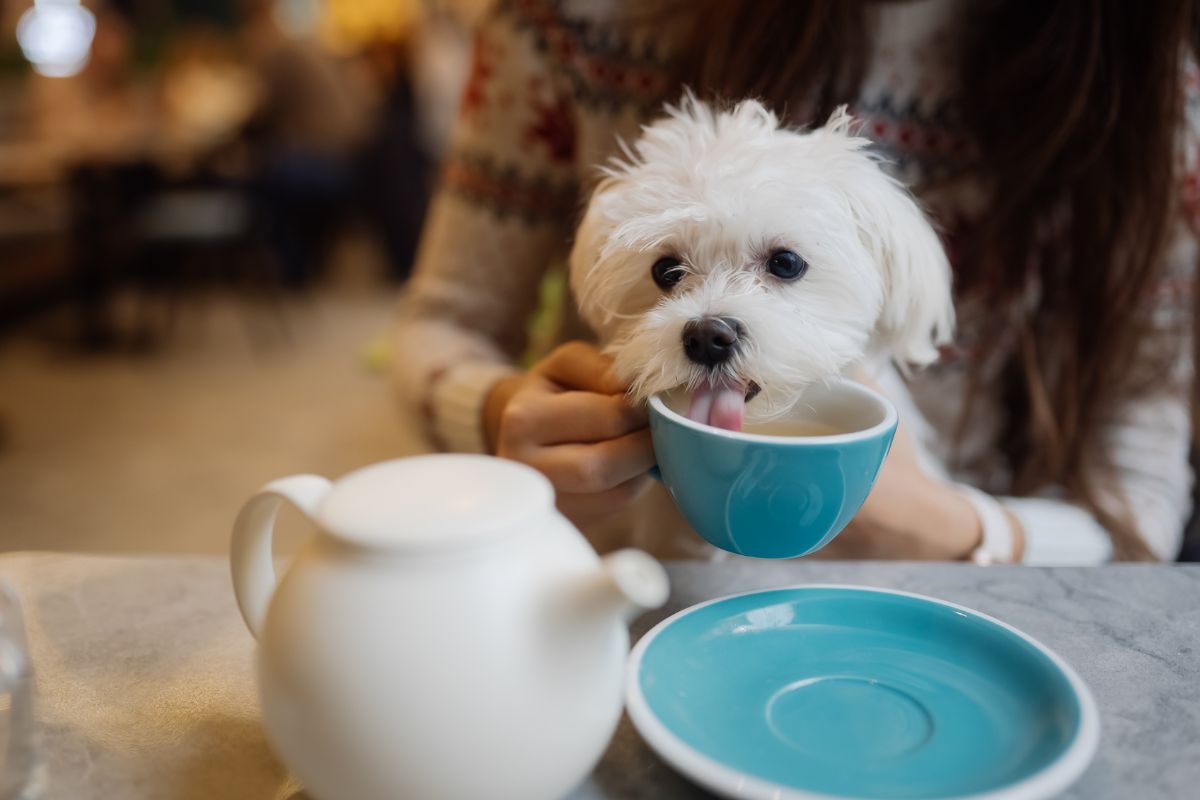
Sharing a Puppacino or a Meow-garita at a pet-friendly venue or enjoying a meal while the furry friend relaxes nearby allows pet parents to combine quality time with their pets and friends. It’s also an opportunity to socialise with pets in different environments, helping them build confidence and adapt to new settings.
“Hospitality venues across New Zealand – especially those owned by like-minded pet parents - can make the most of the trend by gearing their facilities accordingly, or face missing out,” said Michelle Le Long, COO at pet insurer PD Insurance.
“Making your place ‘pet-friendly’ can increase its appeal – and doing so with a dose of petiquette ensures there’s no impact on those guests who don’t have dogs, while keeping the pets and their parents ‘happy as’,” she added.
“There’s a lot proprietors can do to make their places pet-friendly while being considerate of others.”
The first step for anyone considering the creation of a pet-friendly destination is to review any local council regulations or bylaws. In terms of national legislation, the Food Act leaves space for pooches in pubs and restaurants since it doesn’t prohibit dogs in outdoor dining areas.
“So from that perspective, you’re sorted – though your regional or district council may have something to add.”
As not everyone is a pet lover, establishing designated pet-friendly areas is a good idea, allowing some separation for those who don’t want to or simply can’t hang out with dogs and cats. Such areas should be well-ventilated, as well as easy to clean and maintain. Additionally, ensure customers with pet allergies have access to separate dining areas.
It may also be necessary to train staff on petiquette, according to Le Long, including basic dog behaviour, hygiene practices (like hand washing after pet interaction), and how to manage pet waste (though that really should be the duty of the pet parent).
“Staff should be comfortable around animals or at least trained to handle situations involving pets. They should also know and reinforce basic petiquette rules.”
To stand out, boost revenue, and stay on trend, hospitality venues should get creative in treating cats and dogs as valued customers.
“Pet parents love to spoil their fur babies, and they don’t hesitate to splurge on special treats for their four-legged family members.”
Across the globe, many hospitality venues are taking advantage of this trend, boosting their popularity. By embracing pet-friendly features, they’re not only attracting loyal customers but also creating Instagram-worthy experiences that customers want to visit.
Le Long suggested offering pet menus, including pupcakes and catnip cookies, as well as welcome packs with essentials and luxury beds to create a memorable experience for furry friends.
She said that ‘Yappy Hours’ were a great way for customers to feel confident in brining their pets along, and shaded areas or cooling mats during hot weather can make a vital difference. So, too, can warm blankets when it’s cold.
Those visiting your establishment with a pup in tow should observe basic petiquette rules to keep their pets safe and happy, without detracting from the experience of any other patrons. Make sure your dog policies are simple, clear, and concise: on-leash, under control, clean.
There’s also the reality that even the most well-trained pet eventually has to ‘go’. Cleaning up after pets is one of the most common complaints about dogs, so pet parents should always carry waste bags. Keep some on hand just in case – and provide a dedicated bin away from food areas for proper disposal.
Of course, only a well-socialised dog should be brought to restaurants or cafes. If pet parents bring unruly or loudly barking dogs, a gentle word may be necessary.
Going pet friendly doesn’t take much but does require clear signage indicating pet-friendly areas and setting out some basic rules. It’s a good idea to clearly communicate pet policies on websites, social media, and promotional materials, where customers can find more details on expectations, rules, and pet (and pet parent) behaviour.
More news here.