The global QSR market is set to grow by over USD 200 billion within the next ten years, supported by major brand expansion.
The global Quick Service Restaurants market was valued at USD 320 billion in 2024 and is projected to reach USD 520 billion by 2033, demonstrating sustained momentum across emerging and developed economies. The market is supported by high consumer spending on fast food, expanding store networks, and the rising penetration of international QSR brands in new regional markets.
Additionally, investments in cloud kitchens, online delivery, and value-based meal offerings continue to strengthen market size and revenue growth.
The Quick Service Restaurants (QSR) market is witnessing robust growth as consumers increasingly prioritise convenience, affordability, and fast food accessibility. Busy lifestyles, rising urban workforce participation, and changing eating patterns are driving demand for ready-to-eat and on-the-go meals. QSR brands continue to expand aggressively across metros and tier-2/3 cities, catering to varied consumer tastes with locally inspired menus alongside standard offerings. Technological integration, such as AI-driven ordering, app-based loyalty rewards, and smart drive-thru systems, is significantly elevating customer experience and operational efficiency. Furthermore, the growing dependency on delivery aggregators such as Uber Eats, Zomato, DoorDash, and Swiggy has transformed food consumption, enabling QSR brands to scale without heavy dine-in infrastructure. The market also benefits from changing consumer spending habits, where increased disposable income and aspirational dining choices fuel brand loyalty. These factors collectively boost revenue generation, facilitating global market expansion with consistent demand momentum.
QSR brands are evolving beyond traditional fast food by adopting menu innovations that appeal to diverse dietary preferences, including vegan, gluten-free, high-protein, and low-calorie meals. Increasing health consciousness among consumers has compelled chains to reformulate menus using organic ingredients, reduced preservatives, low-fat cooking methods, and transparent nutritional labelling. Plant-based meat products, natural flavours, and sustainable sourcing initiatives are redefining product development strategies. Many leading brands are investing in research to develop future-proof menus that align with global health trends without compromising taste or affordability. Customised meal options, breakfast innovations, and locally curated flavours have gained market traction, ensuring audience relevance across regions. The availability of premium add-ons, digital customisation, and combo offers further enhances consumer satisfaction, ultimately boosting average order value. This continuous product diversification strategy helps brands maintain customer loyalty, attract new demographics, and increase competitive differentiation in a crowded market landscape.
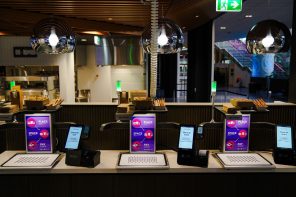
Digital transformation is reshaping the QSR market as mobile apps, self-service kiosks, drone delivery pilots, and AI-based ordering platforms become industry standards. Consumer reliance on smartphones has enabled brands to build direct-to-customer models through proprietary apps with exclusive loyalty programs, cashback incentives, and personalised recommendations. Delivery aggregators continue to amplify market penetration, with QSR firms increasingly partnering with logistics providers to optimise delivery routes and reduce wait times. The emergence of cloud kitchens (delivery-only restaurants) allows brands to scale operations with lower capital expenditure, minimal workforce, and flexible menus tailored to local preferences. These kitchens help brands expand their footprint without traditional store development costs. Digital payment adoption, predictive analytics, and conversational bots are enhancing speed, accuracy, and customer relationship management. The resulting ecosystem drastically reduces labour dependency, boosts order accuracy, and increases repeat purchases, positioning QSR brands at the forefront of digital food service innovation.
Subscribe to the Restaurant & Café newsletter for weekly industry updates and event coverage.