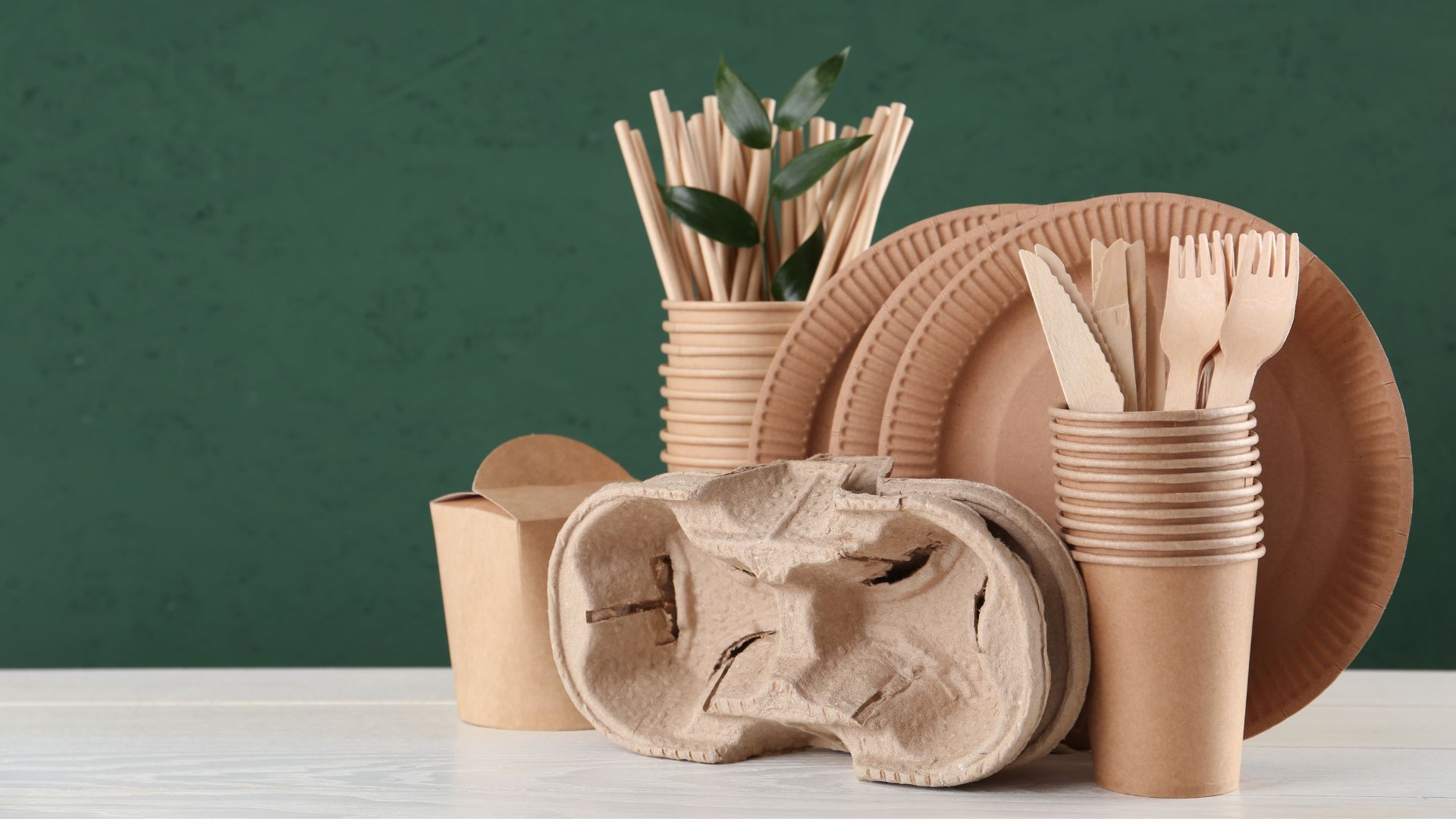
USA | The global foodservice disposables market size is estimated to grow by USD 10.65 billion from 2024 to 2028, according to a recent report by research company Technavio.
The foodservice disposables market is estimated to grow at a CAGR of over 4.78 percent during the forecast period. Growth of food delivery and takeaway markets is driving market growth, with a trend towards rising adoption of online ordering and delivery services. However, increasing focus on use of reusable service ware and packaging poses a challenge.
The foodservice disposables market has witnessed a significant trend towards online ordering and delivery services in recent years. This shift is driven by the convenience it offers to both restaurants and customers. With the rise of food delivery platforms like Uber Eats, Grubhub, and DoorDash, an increasing number of restaurants now provide online ordering and delivery options. This trend has been further fueled by the COVID-19 pandemic, which has led more people to stay at home and avoid in-person dining.
To support this growing demand, restaurants have invested in new technologies and infrastructure, such as mobile apps, digital menus, and third-party delivery platforms. Foodservice disposables, including takeout containers, disposable utensils, and single-use bags, have become essential to facilitate the increase in delivery and takeout orders. The convenience factor, changing consumer habits, and technological innovation are expected to continue driving the adoption of online ordering and delivery services in the foodservice industry in the forecast period.
The foodservice disposables market is witnessing significant growth, particularly in the Quick-Service Restaurants (QSR) sector. This trend is driven by the increasing popularity of food delivery and online ordering through platforms like Uber Eats. Rigid packaging types, including plates, containers, bowls, tubs, mugs, and saucers, dominate the market. Plastic-made rigid products and glass rigid packaging are commonly used for food and beverages.
Flexible packaging and paper packaging are also popular for their convenience and cost-effectiveness. The plastic material segment, including single-use plastic, holds a large share. Public and private cafeterias, nursing homes, day-care centres, and food delivery services are key consumers. Changing lifestyles, rapid urbanisation, and the convenience offered by disposable facility demand are major factors driving market growth.
Tech-enabled delivery networks and online channels are transforming the disposable industry, with meal delivery facilities ordering ready-to-eat products for consumers through minivans and mobile restaurants. The market is expected to continue growing in geographical regions due to consumer preferences for hygienic containers and convenience.
However, this growth comes with environmental concerns as disposables contribute to a substantial amount of solid waste. Some foodservice disposables, like paper coffee cups with plastic coatings, are difficult to recycle or compost, leading to their disposal in landfills. Major sources of waste include straws, coffee sleeves, condiment packets, chopsticks, plastic utensils, and plastic bags.
To mitigate this issue, there is a shift towards reusable foodservice products. Reusable service ware can be used multiple times, reducing the volume of waste generated. Companies like Starbucks and Dunkin' Donuts have led this change by promoting the use of reusable mugs and offering discounts to customers who bring their own cups. This trend is anticipated to continue, potentially impacting the growth of the global foodservice disposables market.
More news here.