USA | As restaurants increasingly embrace technology for ordering food, a new University of South Florida study revealed that digital ordering platforms significantly influenced consumer behaviour, often leading to more indulgent food choices and increased spending.
The comprehensive study, co-authored by Dipayan Biswas, compared the cognitive effects of ordering from a digital screen to traditional methods, including printed menus.
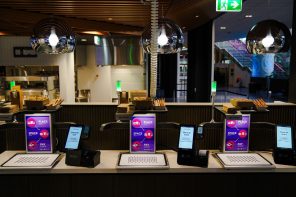
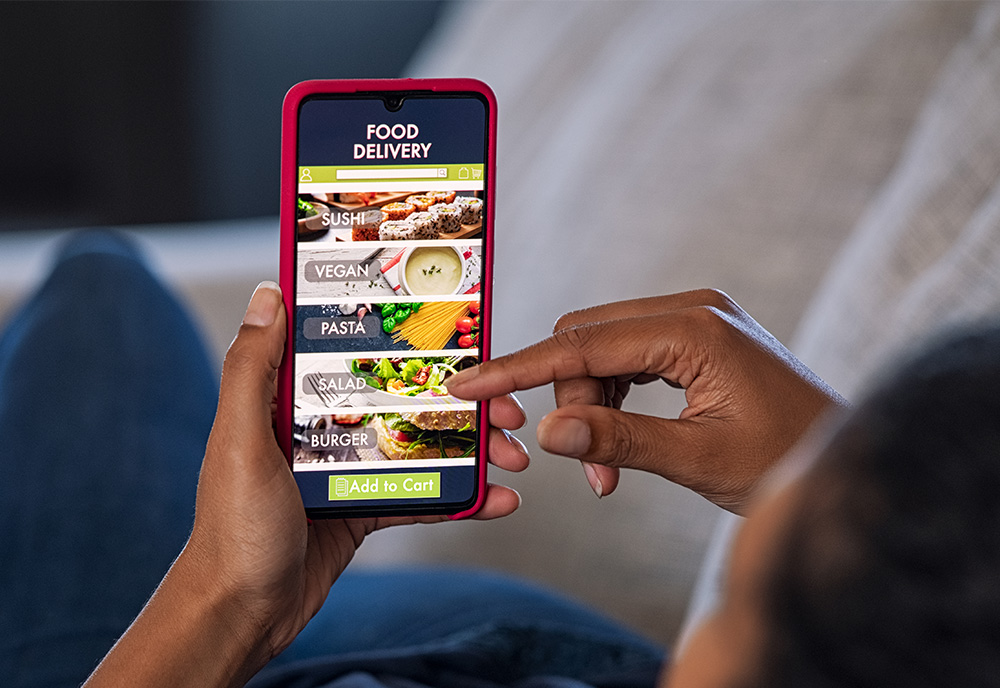
As published in the Journal of the Academy of Marketing Science, major restaurant chains, such as Panera Bread and McDonald’s, have introduced touchscreen kiosks. In contrast, others like Chili’s and Applebee’s have implemented tabletop tablets for self-service. App-based delivery services, such as Uber Eats, Grubhub and DoorDash, have continued to grow since the COVID-19 pandemic.
According to the U.S. Department of Agriculture Economic Research Service, the pandemic caused significant changes in how U.S. consumers acquire food, particularly in the use of carryout and delivery services. Spending on third-party delivery tripled for quick-service restaurants and nearly quadrupled for full-service restaurants from pre-pandemic levels to late 2022.
“While digital ordering can enhance convenience and efficiency, many consumers will opt for unhealthier food choices and spend more,” said Biswas.
“Our research highlights the importance of understanding the influence of digital devices on our decision-making.”
Through six studies at restaurants and two in a USF School of Marketing and Innovation lab, Biswas and his graduate students examined the effect of ordering off a digital versus a physical menu.
The team reviewed over 23,000 orders from various restaurants, including an independently owned Mexican cuisine restaurant and a major global dining chain with 1,000 locations across 23 countries.
The study revealed that 61 percent of digital orders, including those made for delivery, were unhealthy—more than three percent higher than non-digital orders.
Each item was placed into one of three categories: unhealthy, neutral or healthy. The team defined “unhealthy” by portion size and item choice, such as fried foods and desserts, while items like vegetables and fish were considered healthy. Most soups, large salads and steaks smaller than six ounces were deemed neutral.
The team also found that digital menus significantly impacted what consumers ordered for dinner since they tended to be more exhausted and reliant on technology later in the day. Therefore, digital ordering technologies may have less influence on consumers during breakfast and lunch.
“Digital ordering modes foster a more automatic decision-making process with lower cognitive involvement. Digital tools encourage people to rely less on their cognitive resources and more on automated processes.”
This phenomenon, known as the "Google Effect," has suggested that the availability of digital tools has changed how people store and retrieve information. For example, people rely on cell phones for contact numbers and GPS for navigation, leading to less cognitive effort in these tasks. This reduced cognitive involvement in digital contexts can result in more automatic decision-making, leading to more indulgent food choices.
However, consumers more proficient with technology may be less susceptible to the Google Effect.
“Restaurant managers aiming to promote healthier options may benefit from offering non-digital ordering modes, or some may be interested in promoting indulgent items during dinner hours through digital ordering to drive sales.”
Biswas has planned to continue this research to examine further how the presence of a human, such as when ordering in person or on the phone, may impact consumers’ decisions. He also wants to investigate how digital versus non-digital modes impact consumers' consumption volume and perceived taste of ordered items.
More news here