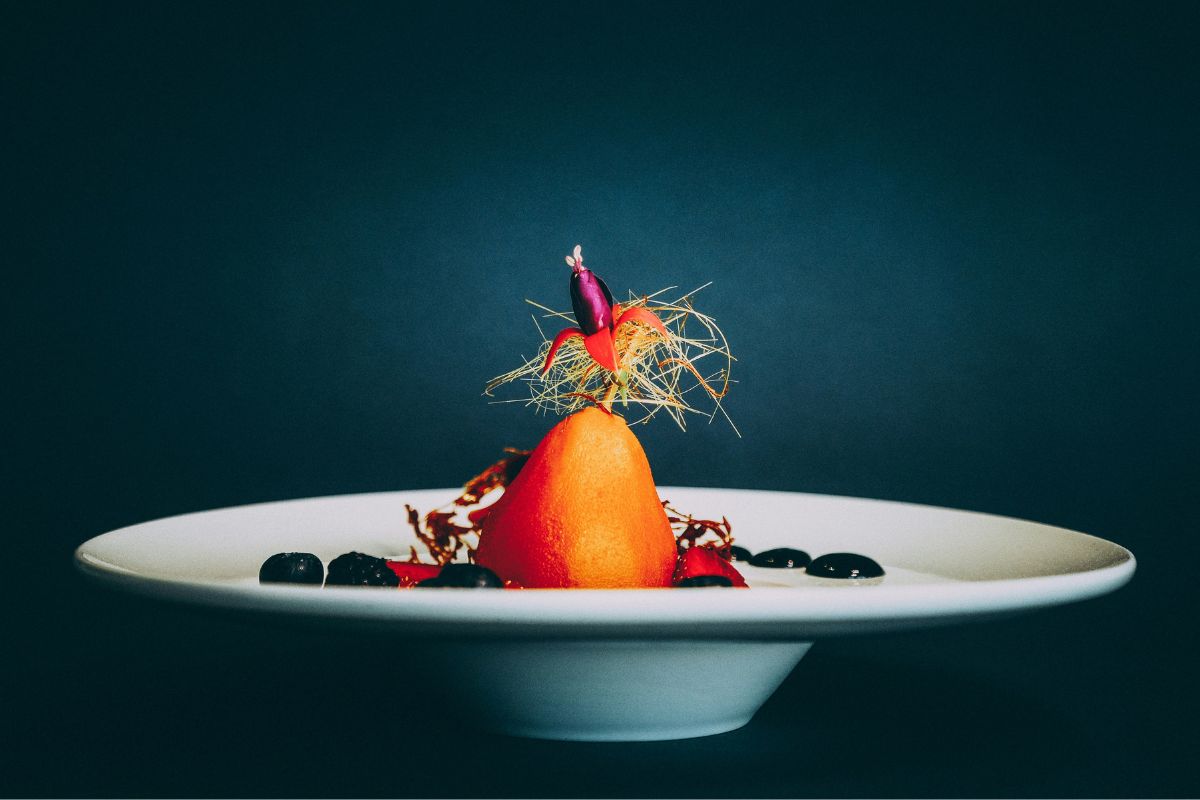
The global trend for experiential dining has filtered from fine-dining establishments to casual eateries, influenced by Gen Z and Millennials.
Experiential dining is nothing new. It was even parodied on a recent episode of The Simpsons, which famously predicts the future. Still, immersive dining experiences are making a comeback in a big way, and data on younger generations provides some insight into why this is set to be an important trend to watch. With a new wave of consumers having grown up watching Chef’s Table, WorldChefs has explored what chefs should know about tapping into the value of the experiential dinner.
Curated, creative, and often downright scientific, high-concept experiential dining has arguably always been a part of haute cuisine. But putting a name to immersive menus involving all five senses found wider acceptance during the 2010s. Chefs started to think off-the-plate to manipulate the perception of flavour, set themselves apart, and experiment to tell their story.
The popularity of multi-sensory dining owes in large part to the emergence of the science of neuro-gastronomy, which has helped unravel the complex multi-sensory brain processes that create the range of flavours we experience when eating and drinking. According to neuroscientist Gordon M. Shepherd, our appreciation of what is in the mouth is created by the brain. Charles Spence, Professor of Experimental Psychology at the University of Oxford and author of Gastrophysics: The New Science of Eating, shared a similar view.
“I think we all assume that taste comes from our tongues… In fact, all of your senses are involved. Everything from the colour of the plate to the weight of the cutlery in your hands, from the background music to any ambient scent, as well as the lighting and even the softness of the chair you are sitting on,” said Spence.
One well-known example from a decade ago is Chef Heston Blumenthal’s (The Fat Duck) signature “Sound of the Sea” dish, served with an iPod playing ocean sounds tucked into a conch shell.
Sure enough, recent research into ‘sonic seasoning’, the deliberate pairing of sound with taste, backs up how specific musical elements like pitch, tempo, and timbre can enhance or alter flavour perception.
In one study, participants reported food tasting sweeter or more bitter depending on the background sound, highlighting that auditory cues can meaningfully shape the sensory experience of eating, and how restaurants can use soundscapes to influence guest satisfaction. And it works from a business case, too; research on immersive dining has linked higher satisfaction and revisit intentions to well-executed multi-sensory experiences.
There has been a host of chefs who have brought their own unique flair to multi-sensory dining experiences. But each of them, whether they made it onto Netflix, TikTok, or a consumer’s mental list of most memorable dinners, played with the idea that flavour also comes from flair.
Historically, high-concept experiences have often come with even higher price tags, and the exorbitant price points of dining at multi-sensory restaurants put them beyond the reach of most diners. But new technology and shifting consumer priorities have started to change this, pushing the gap together from both directions.
More news here.