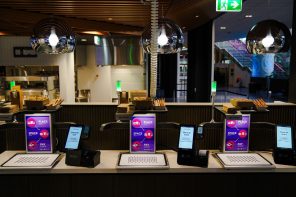
Laptop use in cafés is becoming a flashpoint for both customers and operators, according to new research.
A national survey by Money.com.au shows frustration is building, with 61 percent of Australians wanting cafés to either introduce a minimum spend for laptop users or remove laptops altogether.
Thirty six percent favour a minimum spend during busy periods such as mornings, school holidays and the pre-Christmas rush, to ensure tables turn over. Another 20 percent want a minimum spend in place at all times, and five percent support a full ban on laptop use in venues.
Money.com.au finance expert Sean Callery said people are increasingly conscious of value when they dine in. He noted that consumers paying for coffee or brunch expect a level of comfort.
“They do not want to squeeze in among people using tables as a makeshift office or study space,” he said. This tension sharpens during peak times. “If you are paying for a family outing, potentially facing a surcharge as well, you expect to be able to sit down and enjoy it, not miss out on a table,” he said.
Not everyone agrees. Thirty nine percent of respondents believe cafés should continue to welcome all customers without conditions.
Millennials are the strongest supporters of firmer rules, with 66 percent wanting cafés to enforce a minimum spend or apply limits on laptop use. Support sits at 60 percent among both Gen X and Baby Boomers, and 55 percent among Gen Z.
For operators, the issue is tied closely to revenue and viability. The Australian Restaurant and Café Association’s chief executive, Wes Lambert, said long-stay laptop users can affect turnover and reduce availability for paying diners.
“When a customer occupies a table for one or two hours while only purchasing a single coffee or small item, it directly reduces the number of customers a venue can serve,” he said. Margins are often around three percent or less, making table turnover essential.
He also highlighted the cost of seating.
“Every table has a real cost attached to it. When someone sits for a long time without ordering much, the venue is effectively subsidising their workspace,” he said.
It is not about discouraging laptop use but maintaining commercial balance against rising wage, rent and energy pressures.
Lambert said cafés see a marked difference between a fast-moving peak service and one where several tables are locked up for extended stays. He suggested small behaviour shifts can help, such as ordering additional items, choosing off-peak times or respecting laptop-free periods. Most cafés welcome people who want to work or study, as long as customers recognise the economic realities that keep the doors open.
More news here.