The Brewers Association is questioning whether Treasury’s excise revenue forecasts stack up against the most recent consumption data.
Without any immediate intervention by the government, on 1 July 2026, the excise rate is set to rise again by 3.07 percent. Budget 2026 forecasts total alcohol excise revenue of NZD 1.308 billion in 2026/27, rising to NZD 1.486 billion by 2029/30. That trajectory assumes growing alcohol volumes. The Stats NZ data published last week shows total beverage volumes have fallen 10.7 percent since 2020 and declined a further 4.9 percent in the year to March 2026 alone.
Applying the scheduled 3.07 percent rate increase against realistic volume assumptions, the Brewers Association estimates Treasury is overstating alcohol excise revenue by up to NZD 180 million per year by 2029/30.
Even under the most optimistic assumption, that volumes stabilise at current levels and decline no further, the overstatement reaches NZD 105 million by the same year. Treasury's import excise forecast is a particular outlier, projecting a NZD 49 million or 10.9 percent jump in a single year against a backdrop of rising unemployment and sustained cost-of-living pressure.
"Treasury is forecasting excise revenue on growing volumes. The Stats NZ data published last week shows they will not, at least not on any near-term horizon. The excise system is eroding its own revenue base by accelerating a demand decline that is already well underway," said Firth.
The recent Budget contained no relief on alcohol excise, despite sustained industry calls for reform and continued cost of living pressure for everyday Kiwis and hospitality businesses.
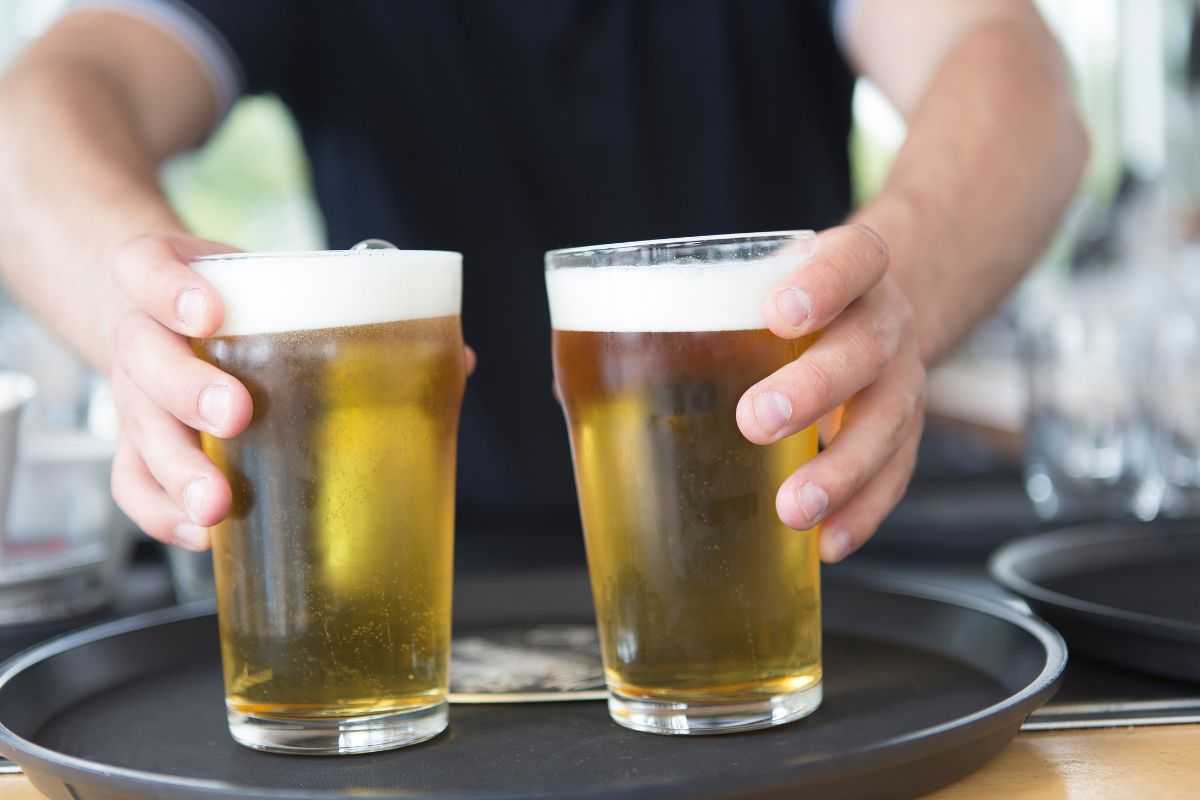
Annual CPI-linked increases have seen beer excise climb more than 26 percent in five years, from NZD 29.84 in early 2020 to NZD 37.84 per litre of pure alcohol today. The current regime makes no distinction between packaged retail product and draught beer served in hospitality venues, despite draught directly supporting hospitality productivity, employment, and our tourism sector.
A Curia survey in March 2026 found that the high cost of going out for a beer is a consideration for almost half of New Zealanders, with 47 percent at least some of the time choosing to drink at home instead.
In recent years, on-premise alcohol sales have fallen from around 40 percent of total alcohol sales to approximately 15 percent. With a third of the price of a keg being alcohol excise tax, hospitality businesses are being hammered by a discretionary government tax.
“Industry has pointed to the discretionary ability for successive governments to look at this measure as a way of alleviating cost of living pressures on New Zealanders and businesses. It’s not like it’s a novel approach. In particular, this governments previous decisions to pause annual increases in fuel excise reflect a recognition that, in periods of heightened global uncertainty, automatic indexation mechanisms can amplify rather than relieve pressure on households and businesses,” said Firth
Australia paused draught beer excise indexation for two years in early 2026. Both Australia and the United Kingdom also apply a reduced excise rate on draught.
“The Prime Minister last week said he is “concerned in general” about the number of hospitality businesses going into liquidation and that they wanted to “[make] sure we’re not making things worse” also that “We want to minimise the impact on inflation and minimise the impact on growth”. The government has had the ability to minimise the impact, which would have been by making the decision to pause the 1 July indexation and for a longer-term structural conversation about a keg-specific rate consistent with the approach already adopted in Australia and the United Kingdom before more venues close and more jobs disappear,” said Firth.
Subscribe to the Restaurant & Café newsletter for weekly industry updates and event coverage.