Thinking outside the cup has been integral for hospitality businesses to achieve, especially with such an emphasis on sustainability.
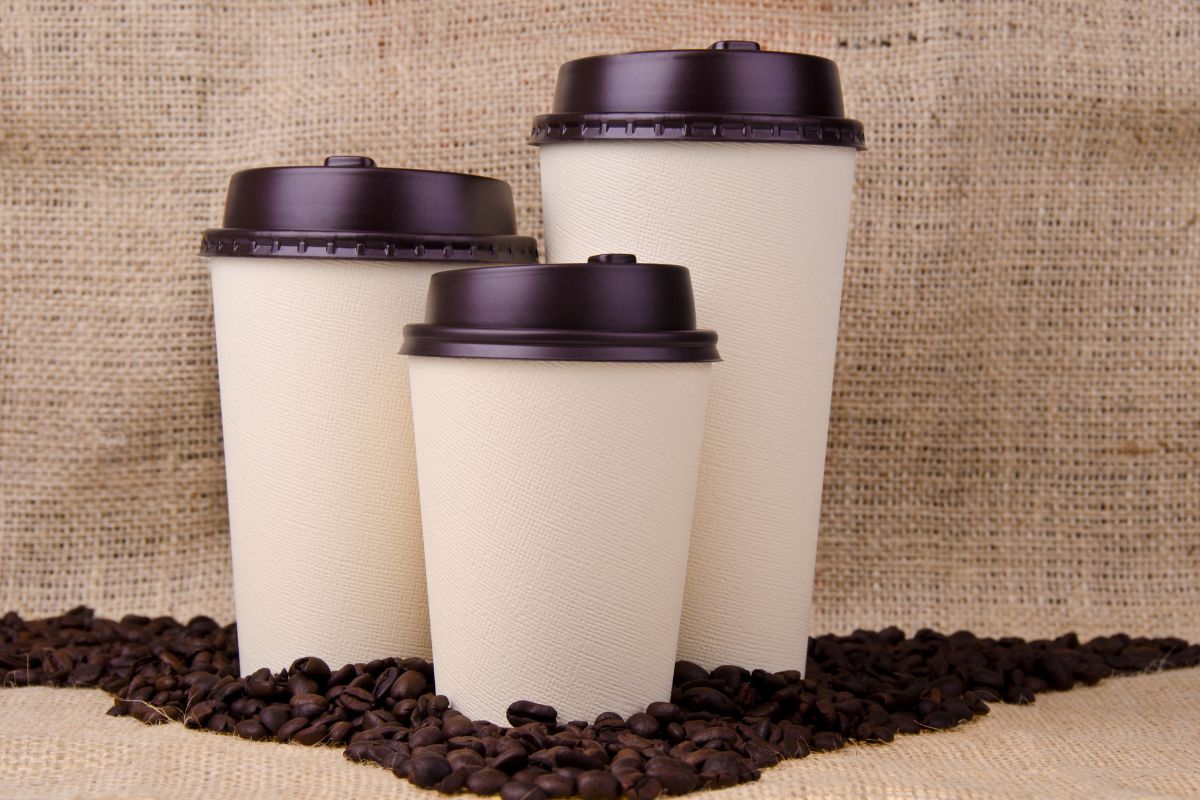
Staying on top of packaging trends has become a difficult task for hospitality businesses to keep a hold on. As one of the most frequent types of takeaway packaging, disposable coffee cup concepts have shifted depending on customer trends.
From cup designs and artwork to sustainable priorities, coffee cups have become adaptable. The extra level of care in catering to customer demand has directed the packaging focus to include compostable, recyclable or plastic-free factors. Alternatively, more and more hospitality businesses now offer reusable keep-cups as well, many of which are produced with in-house branding.
A prime example of this has been the Twiice Edible Cup partnership with Zephyr Coffee Co. The local coffee company worked with the B Corporation certified packaging producer last year to create a coffee-infused edible cup that resulted in zero waste and benefitted innovation within the sector.
Similarly, SOFI Products released a 100 percent plastic-free, biodegradable cup for hot beverages that has eliminated the need for a lid.
A study by End Food Waste Australia found that the cafe sector generated over 70,000 cups of coffee per employee each year.
"There were no cups currently on the market that are 100 percent biodegradable and eliminate the need for a lid," said Brandon Leeds, co-founder of SOFi Products.
The cup has been tested to biodegrade in less than 180 days, which has meant it can be composted at any composting facility.
As many cups can look the same, branding is the best way for cafes to stand out in the crowd. One of the most popular ways to do this has been through cardboard sleeves designed to fit cups, embellished with a logo, or branded cardboard trays for when customers have multiple orders. Bold colours, patterns and designs will also be an eye-catching point of difference to competitors.
Governments and councils around the world have enforced tight restrictions on the availability of single-use packaging, especially within the hospitality sector. Whilst plastic straws and un-compostable coffee lids have been phased out, attention has now turned to the physical takeaway coffee cup. This was evident in an End Food Waste Australia study, which found that the cafe sector generated over 70,000 cups of coffee per employee each year.
Many large coffee chains have also responded to the call to action to reduce waste caused by coffee cups that haven’t been disposed of correctly. Globally, Starbucks has trialled an initiative to serve customers with reusable cups, which can be disposed of in-store. This will allow baristas to reuse reusable cups after they have been professionally washed and dried.