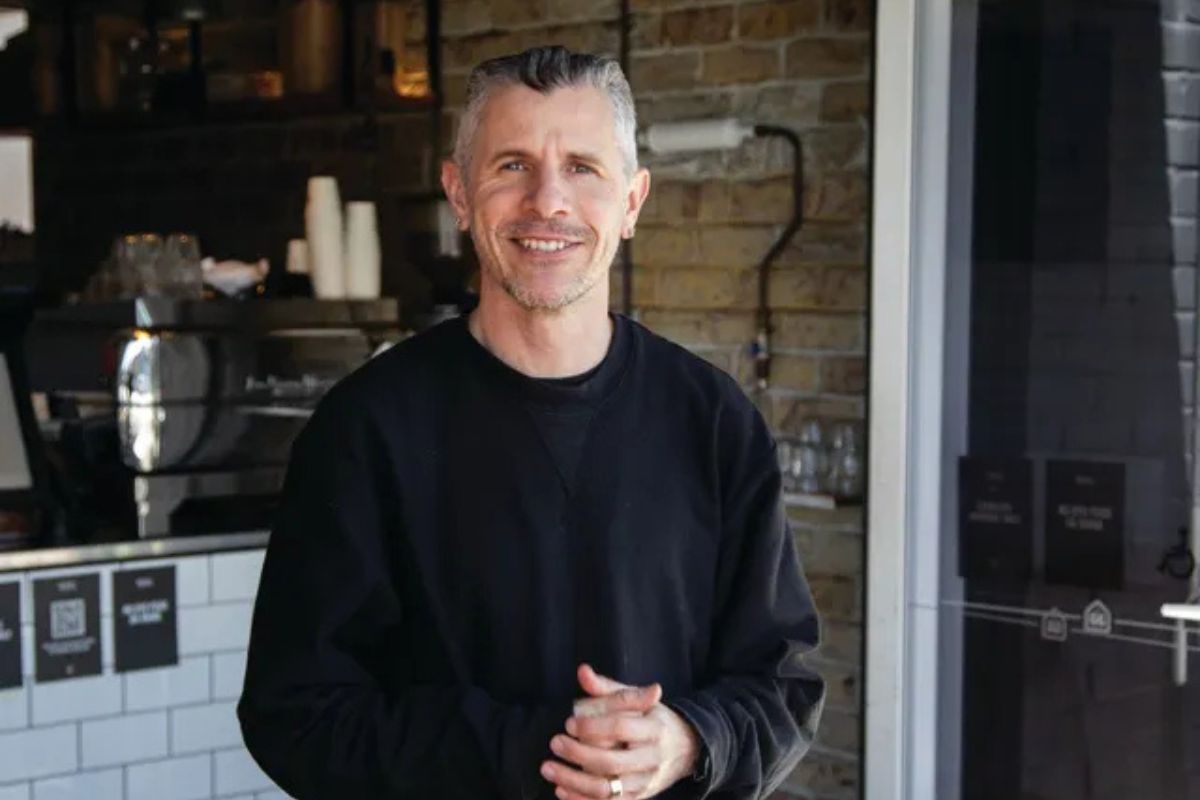
Hospitality industry leader Greg Cornes said understanding cost breakdowns was a fundamental tool for operators to learn, largely because cafes don’t fail from a lack of passion; they fail from a lack of financial clarity.
Cornes, founder of Goodness Gracious and Hospitality Solutionist at Greater Good Hospitality Group, said operators need to know what every dollar is doing, whether it’s labour, ingredients, rent, insurance, compliance, power, technology, waste or repairs. The margins in the hospitality industry are already thin, and if operators don’t understand cost structures at a granular level, they end up making emotional decisions instead of economic ones.
“Clear breakdowns let you design a business model that is viable before you even open the doors,” said Cornes.
He said this was more important now than ever before.
The last five years have reshaped the hospitality market in New Zealand. Labour costs are up 40 to 50 percent, ingredients have jumped, insurance and compliance costs continue to climb, and disposable income is tighter.
Cornes said all this has meant that operators can’t rely on feel or optimism, as they need real numbers, real thresholds and real discipline.
“Viability is no longer assumed; it has to be engineered.”
Heading into the new year, Cornes said it was vital that operators prioritise three integral elements. Firstly, labour efficiency is achieved not by cutting people, but by organising work better. He said simple menu engineering, better workflows and small-format spaces can increase output per labour hour.
Cost visibility is equally important. Weekly profit and loss tracking will allow operators to have a clearer picture of their situation, rather than yearly surprises. Cornes said that cashflow forecasting and understanding rent-to-revenue were also important.
Heading into the new year, he added that format discipline was something that every operator should adopt. The model has to fit 2026 conditions, not 2016 conditions. Smaller footprints, focused menus and tech that removes friction are all assets.
Cornes said that operators can scale back anywhere that doesn’t directly improve product or service. For most cafes, this means overly broad menus, excessive prep items that quietly burn labour, unnecessary subscriptions or tech tools, design choices that add cost but not throughout, space (anything over 40sqm has to be justified line-by-line), and that small, sharp, consistent beats large, slow and expensive.
He believed that 2026 would be a year of recalibration rather than relief.
“Costs won’t fall, but operators who have tightened their model will feel more stable. The businesses that survive will be the ones that redesign themselves around viability, footprint, labour, workflow, service model, and brand clarity. I see an industry with fewer players, but stronger ones.”
It has been a demanding year, but also one of the most rewarding according to Cornes. Goodness Gracious opened its fourth cafe, refined its systems across all sites, and continued to build a strong internal culture.
“We also deepened our tech integration, which has helped us stay consistent without drifting away from the human side of hospitality. A big highlight has been seeing customers continue to support small-format cafés even in tough conditions.”
Like most operators, challenges for Goodness Gracious this year have been wage pressure, insurance increases and the general slowdown in discretionary spending. Cornes added that the operational reality of running multiple sites, staying present, keeping standards high, training constantly and maintaining energy when the industry feels heavy has also been difficult to balance this year. He considered it to be a year where leadership was more important than ever.
“Cafés remain an important part of community life. Even in a difficult economy, people still want connection. If operators can design for viability and stay true to their values, there’s still a future here, it just might look different to the past.”