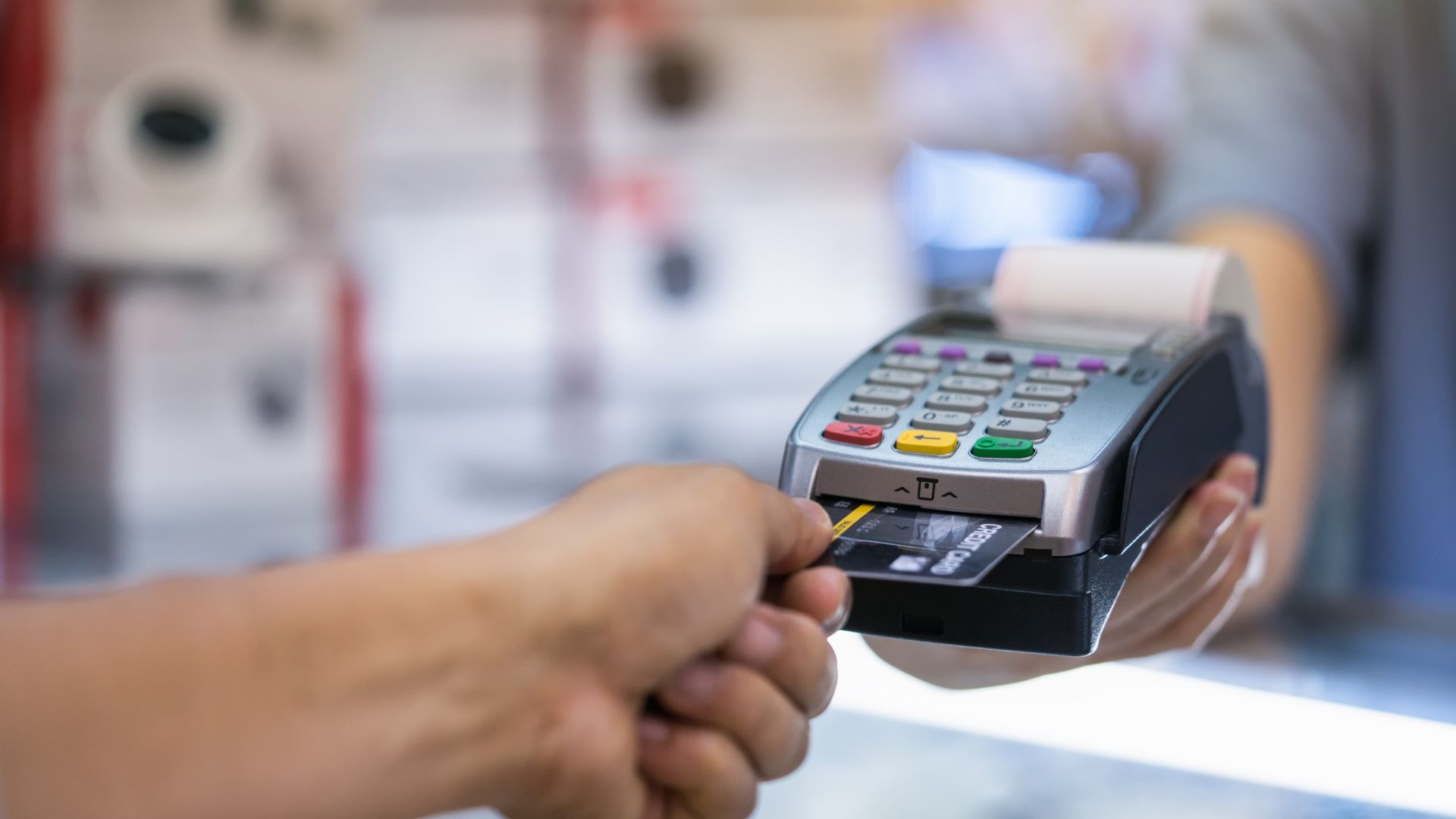
New Zealand businesses will save an estimated $105 million each year, according to the Commerce Commission, due to a reduction in fees to accept Mastercard and Visa payments. Savings are expected to be sustained and flow through to Kiwis over time.
The introduction of interchange fee regulation in November allowed payment providers to lower fees charged for the vast majority of New Zealand businesses that accept Visa and Mastercard payments.
Commerce Commission Chair, Dr John Small, said that this was an important step for the commission’s work under the new regulations to help lower fees that businesses face to accept contactless and credit payments.
“Our data to date shows that businesses will save an estimated $105 million each year – more than 40 percent above the $74 million predicted in May 2022,” said Small.
The commission has stated that the savings should be ongoing to what businesses are charged by payment providers, affecting all types of consumer outlets such as restaurants, hairdressers, dairies, and cafes. The commission has committed to keeping watch for what it expects to see in businesses that share the benefit with their customers.
Small said that payment providers need to do more to make information on their fees clear and transparent so businesses across New Zealand can make informed and confident decisions about what provider and plan is right for them.
Interchange fees have long been a significant aspect of the fees paid by businesses in order to accept payments on the Mastercard and Visa networks. Fees are paid between payment service providers, and the cost is passed on to businesses as part of the merchant service fee for accepting credit cards, online, or contactless debit cards on the network.
Mastercard and Visa credit and debit networks were regulated in November 2022, through the initial pricing standard process. The standard limits the interchange fee for certain credit and debit transactions. Businesses are able to choose to recover the costs of accepting payments on contactless and credit card networks through surcharges.