Customer feedback has become more valuable to businesses over recent years, but the issue of price sensitivity still lingers.
The appetite for dining out hasn’t disappeared, but the psychology behind the decision has changed. Price sensitivity is front and centre. But what the industry has seen is a re-evaluation of value. Diners are comparing not just the cost of goods, but also what they feel like. Portion sizes, service, ambience, it all adds up to whether someone walks away thinking, 'That was worth it.'
The days of blanket loyalty are gone. Diners will still support local venues, but only if they feel it's reciprocal. The venues that are staying busy are those that don’t just serve food; they serve context. That might mean showcasing a connection to the region, offering genuinely warm service, or making menu decisions that reflect what's affordable, not just aspirational.
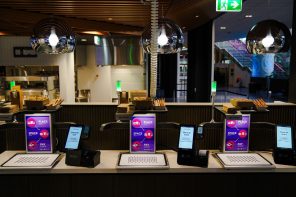
One of the most under-discussed shifts in 2025 is the rise of the “quiet exit.” Customers don’t always complain anymore; they just don’t come back. If the portion shrinks, if the service is rushed, if the digital ordering system is clunky, they’ll quietly choose somewhere else next time. No feedback. No fuss. Just gone.
Operators have responded with smart, intentional changes, such as simplifying menus without losing impact, offering limited-time items to test pricing without overhauling the whole model, and investing in staff training, because in-person service still makes or breaks the experience.
Re-thinking table turnover pressure, especially in mid-week trading, has been another change businesses have introduced.
Regional operators continue to show that agility isn’t just for city venues. If anything, they’ve become the blueprint for how to connect deeply with both local diners and visiting tourists.
The industry has seen creative formats emerge, such as set menus with locally sourced hero ingredients, collaborations with producers, or Sunday long lunches that feel like a reason to drive three hours. And while staffing challenges and freight costs remain significant, many regional venues are finding ways to work with what they’ve got, building menus that can be adjusted when deliveries don’t arrive, or hiring based on attitude and providing on-the-job training.
Many operators are turning to data to guide decisions, such as reviewing POS insights, tracking booking lead times, or mapping which nights are lagging. It’s a useful compass. But the venues that are thriving combine that data with gut instinct, the sense of what their customers really want, often before they say it.
More news here.