Industry Kitchens has introduced a new pairing guide, highlighting perfect food and drink matches with the right flavour profiles.
Have you ever had a meal where the drink made everything taste better? That’s the magic of pairing plates and pints. From a crisp lager with spicy tacos to a bold red wine with a hearty steak, the right match elevates flavours and creates memorable dining experiences.
"Great food is memorable, but the perfect drink pairing transforms it into an unforgettable experience."
Mastering food and drink pairings isn’t just an art—it’s a strategy to run a successful restaurant and cafe and keep customers coming back.
Fun fact: pairing dates back centuries, with medieval feasts carefully matching ales and wines to dishes.
Ready to explore this delicious skill? Let’s get started!
Why Pairing Matters
It has happened so many times—a customer takes a bite of their food, follows it with a sip of the paired drink and then pauses and looks impressed. That’s why pairing matters.
The right combination of food and drink is greater than the sum of its parts. Drinks can bring out hidden flavours in a dish, calm the heat, or clean your palate between bites.
Pairings are also a way to differentiate yourself. They can turn a standard meal into a special occasion and get customers coming back. Whether it’s beer, wine, cider or a well-crafted non-alcoholic option, pairings are a secret weapon every restaurant or cafe should have.
Drink Profiles
Every drink has a profile that can inform your food pairings:
- Beer: Beers come in many styles. A cold lager goes with fried food, a creamy stout with chocolate cake. Hoppy IPAs clean the palate when eating rich food, and sour beers cut through heavy recipes.
- Wine: Wines are versatile. Full-bodied reds like Shiraz go well with grilled food, and light whites like Pinot Grigio pair perfectly with citrusy fish dishes.
- Cider: Crisp and refreshing, cider is good for lighter dishes. Good for pairing beer alternatives with cheese, charcuterie, or buttery food.
- Non-Alcoholic Drinks: Don’t forget your customers who don’t drink alcohol. Sparkling water with citrus or a herbal mocktail can be a palate refresher for your next meal.
Food Pairing Basics
Pairing food starts with three simple principles:
- Contrast Matching: Opposites attract. A rich buttery dish is balanced with a zesty pilsner. Spicy food like curry is paired with a sweet wine or a creamy stout to cool the heat.
- Complementary Matching: This style matches similar flavours, such as roasted coffee-flavoured desserts with nutty stouts or a fruity rosé with a berry tart.
- Cut Matching: Some drinks refresh and clean the palate. Sparkling water or a dry cider with fried or spicy foods to prevent flavours from getting overwhelming.
Use these principles to match your customers' tastes, whether they are dining out with friends or family over a meal.
Top Pairing Suggestions
Everyone’s taste buds are different, and part of the fun is experimenting to find what works for you. Think of these as guidelines, not rules.
Starters
Light drinks are best for the start of a meal. Try:
- Beer and Food Pairing: A pilsner with salty snacks like chips or calamari.
- Wine: A crisp sauvignon blanc with a light garden salad.
- Non-Alcoholic: Sparkling water with citrus to match appetisers without overpowering them.
Mains
The main event is about balance. Match these meals with bold but matched drinks:
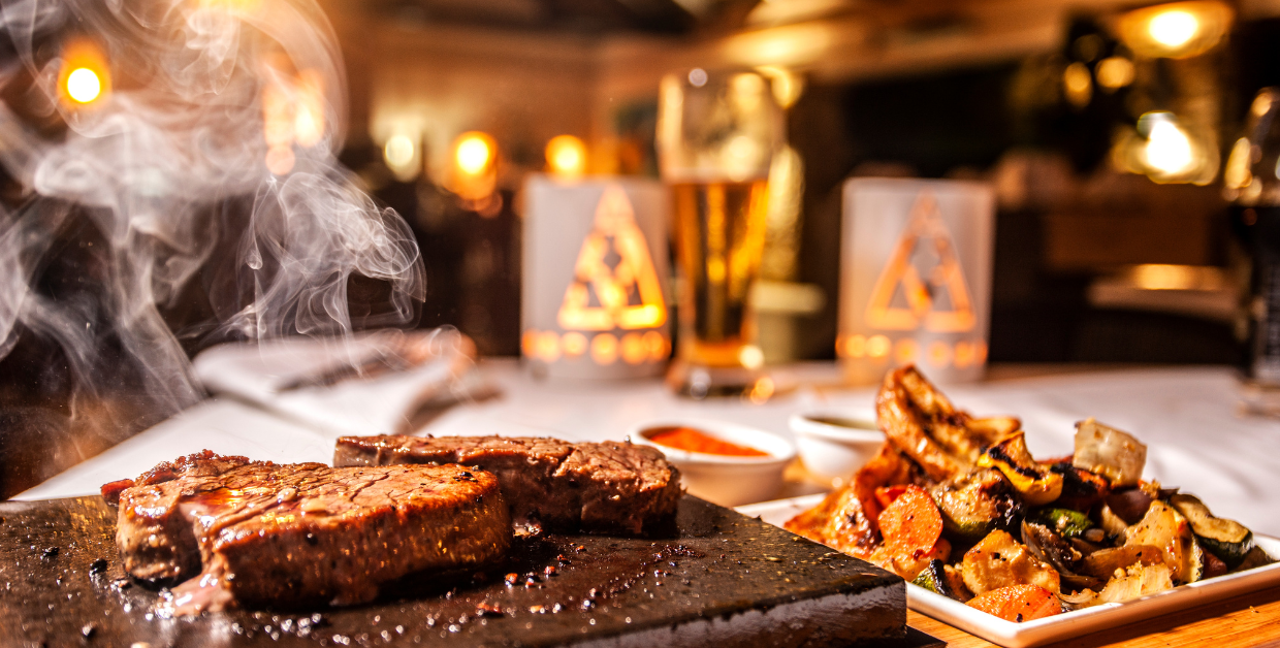
- Steak: A porter or Shiraz to toast the richness of a perfectly cooked steak.
- Seafood: A light wheat beer or pinot grigio with grilled fish or citrus-glazed prawns.
- Deep-Fried Delights: For golden, crispy treats from the deep fryer, like fried chicken or battered fish, pair with a pilsner or sparkling wine to cut through the richness.
- Vegetarian Dishes: Earthy mushroom risotto with hoppy IPAs or a semi-dry cider.
Desserts
Beers and stouts are the stars of the show—chocolate desserts with rich stouts or dessert wines, fruit-based desserts with sweet rieslings or refreshing mocktails.
Seasonal Matching Ideas
Seasons shape our cravings and how we match food and drink. The past year saw a big increase in consumers looking for refreshing combinations.
A crisp lager or a zesty rosé is the perfect drink to match light plates of grilled fish or garden salads. Mocktails with tropical citrus flavours are a great non-alcoholic option for this.
Elevate beer pairings in winter months by using stouts and porters to match hearty meals like stews or roasted meats. Mulled cider is also a great seasonal match for dishes with warm spices.
Fun Fact: Did you know Oktoberfest beers brewed in spring and matured over summer were historically made for autumn harvest celebrations? These beers are now the perfect autumn match, especially with pretzels, sausages and roasted vegetables.
Seasonal events like a summer BBQ or a winter dinner are great opportunities to introduce a food pairing guide. Seasonal matching creates a sense of occasion your customers will love.
Cultural and Regional Matching
Matching foods and drinks from the same region is a classic way to create harmony. Try:
- Asian Dishes: Spicy dishes like Thai curries with a crisp lager or a sweet riesling to balance the heat.
- Italian Plates: A classic pasta dish with a Chianti or an Italian pilsner to match the hearty flavours.
- Local Specialties: New Zealand lamb with Central Otago pinot noir or Tasmanian cider with local seafood.
When you know these cultural matches, your dishes can tell a story and relate consumers to their plates and pints.
Coffee Pairing Tip: In Australia, pairing a flat white with a buttery croissant or a sweet lamington is a favourite way to elevate breakfast or dessert. Baristas often brew coffee with nutty or caramel notes, which can also work well with creamy pasta dishes or mild curries.
Pro Tips for Food Matching
Food matching isn’t just about flavours – it’s about delivering customer solutions that enhance their experience. Whether you’re creating a menu or promoting on social media, thoughtful matching will elevate your brand and keep your tables full.
Try these to create matching that will impress diners and grow your business.
- Balance the Intensity: Match food and drink strength. Light dishes like grilled fish with crisp beers or wines and bold meals like BBQ with stouts or robust reds.
- Think about the Palate: How does the pairing feel? Hoppy beers clean up after spice, and sweet drinks calm the heat of spicy dishes.
- Offer Options: Provide flexible matching. Include non-alcoholic drinks with beers and wines to cater to everyone.
- Post on Social Media: Show off your matches! Share seasonal specials or creative combinations to inspire and tease.
- Menu Matching: Add pairing information to dishes. It’s an easy way to guide customers and try new things.
- Train Your Team: Educate staff on matching so they can suggest with confidence. A quick tip or story can make a meal memorable.
- Keep Testing and Learning: Keep up to date by testing matching, gathering feedback and tracking trends to keep your offerings current.
More news here.