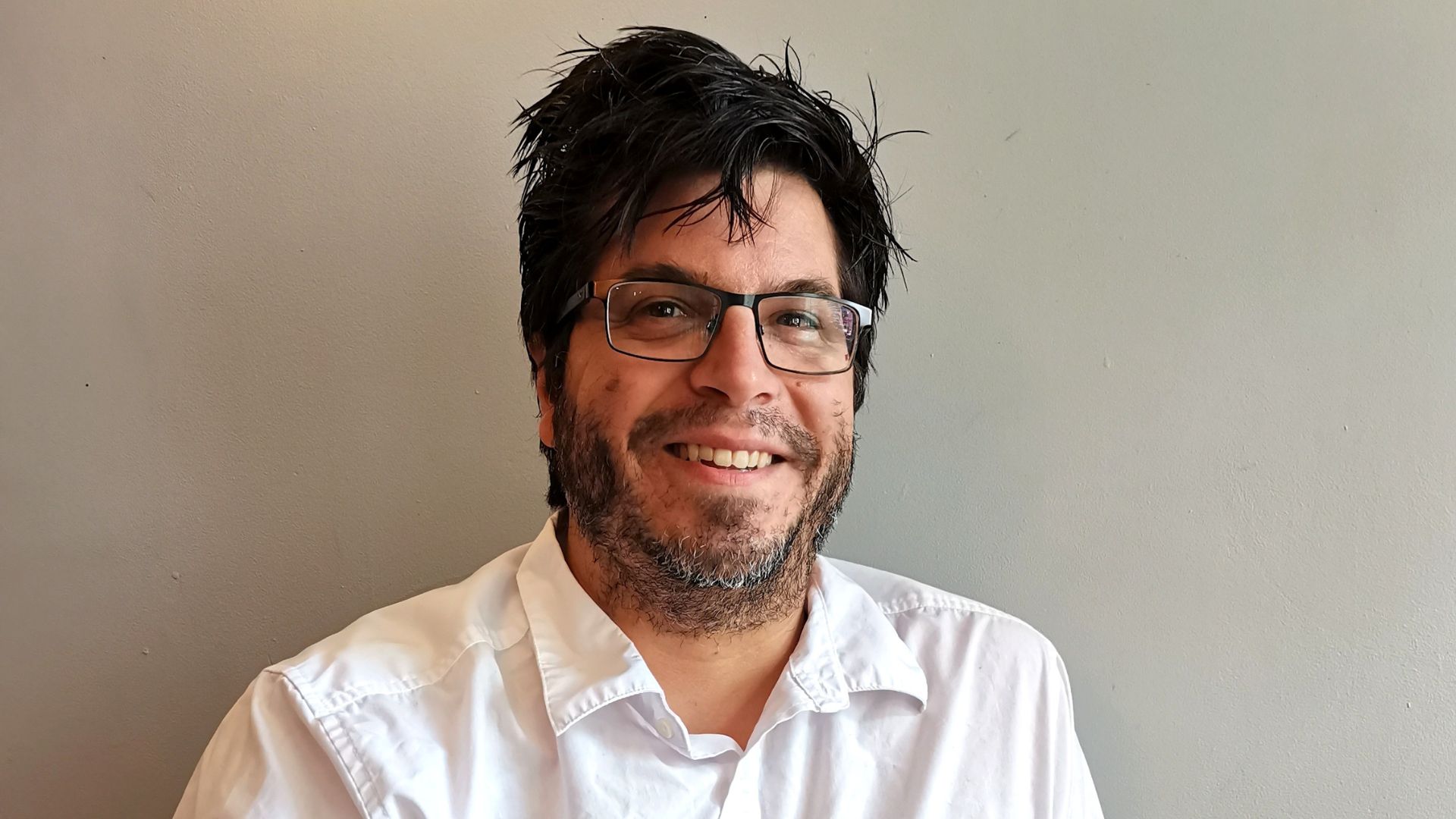
Nicholas Mentzas is no stranger to the restaurant industry, a testament to his passion for fine cuisine.
Originally from Montreal, Canada, Mentzas has a French-Canadian mother and a Greek father. Growing up, Mentzas' family worked in the restaurant industry. His father owned and operated restaurants, where Mentzas found himself gravitating towards a similar career. Despite his culinary achievements, Mentzas said that it wasn't a career he considered until he was older.
"Oddly enough, seeing my father work relentlessly in this industry actually spooked me, and up until my late teens, I really didn't want to work in the industry, but I simultaneously had a great passion for food that would make me watch The Food Network for hours," said Mentzas.
He admitted that pocket money was a driving force for his reluctant start in the industry, but to his own bewilderment, he has remained hooked over the past 20 years.
Throughout his career, Mentzas has worked in various restaurants, from high-end establishments to fast-food and casual bistro restaurants. He said all his experience has shaped his style of cooking. During his time working in fine dining restaurants, Mentzas learned an appreciation for techniques and ingredients and saw food as an art form. Whilst working in fast food restaurants, Mentzas said that he became a lot more efficient with his work and how to deal with an onslaught of orders. His experience in the middle ground of the industry taught him that what makes a great restaurant isn't necessarily how amazing the plating is. Still, it is to ensure the guest experience is genuine. He said this can only be accomplished by balancing food and service.
"I have been modelled into the chef I am, where my main question is "Does this dish make me happy?" when I taste it. Therefore, I tend to gravitate more towards a refined version of "comfort" food. Ultimately, the objective is simple: make sure the guests leave with a smile."
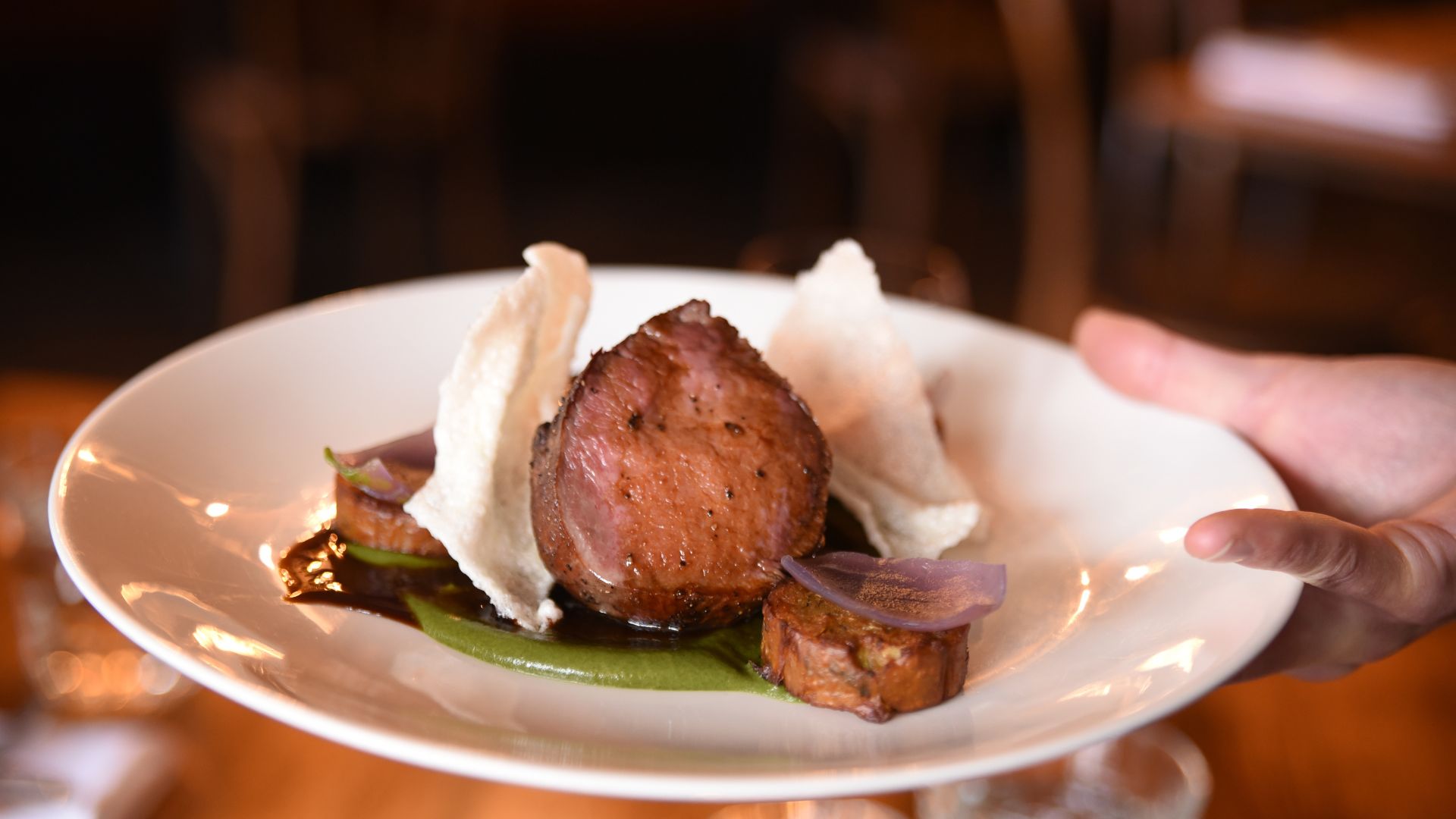
Mentzas said that his process for any dish starts with the basics. His creative starting point has tended to be with a classic dish or flavour profile that he will try to adapt to a more contemporary concept. He said an example of this was an Italian dish he used to cook called 'Vitello Tonnato,' a combination of veal and tuna. Traditionally, this dish consists of thinly shaved roasted or poached veal, with a sauce containing tuna confit, lemons and capers. His interpretation featured a braised veal shoulder croquette flavoured with parsley and grilled lemon, topped with a tuna confit rillette. This was then garnished with a raisin and caper emulsion. He said that the dish's essence remained, but it had been modernised into something more whimsical.
Mentzas said that the restaurant industry is currently processing a turbulent time. He said the pandemic and the economic repercussions have taken a big toll on the industry. Despite this, Mentzas said that industry is now at a crossroads, and people will begin to dine out more often. He said that the product will have to reflect the new reality.
"Whether this is an economic reality or the fact that everyone is more educated about food and more sensible about the environmental impact that comes from food consumption. So restaurants will have to adapt to this."
Nicholas Mentzas added that high-end or overly processed food establishments will most likely suffer the most, but there will always be a market for good food and service. He said that restauranteurs and chefs should not panic, considering hospitality is one of the oldest industries and has survived two world wars.
"I believe that the future of this industry is pretty bright, even if it feels quite gloomy currently. I think it's an industry that will offer great career prospects in the future. It's a good choice for the youth out there."
Nicholas Mentzas said that although the industry can be difficult, most others are as well. He said that people can champion complaining about its conditions, but he also considers it fun, vibrant, and creative. He said he cannot think of another career path that creates such a bond with colleagues.
"It's a very welcoming industry even if the banter is nuts sometimes; in my eyes, it's probably the most accepting industry and the one where you'll have the most laughs. Yes, you need to be willing to sacrifice the "normal" work week and have a few sleepless nights, but it's worth it."
His advice to younger chefs was to ensure the kitchen environment values their contribution. He said that taking on an internship before committing to the industry would be a good indicator.
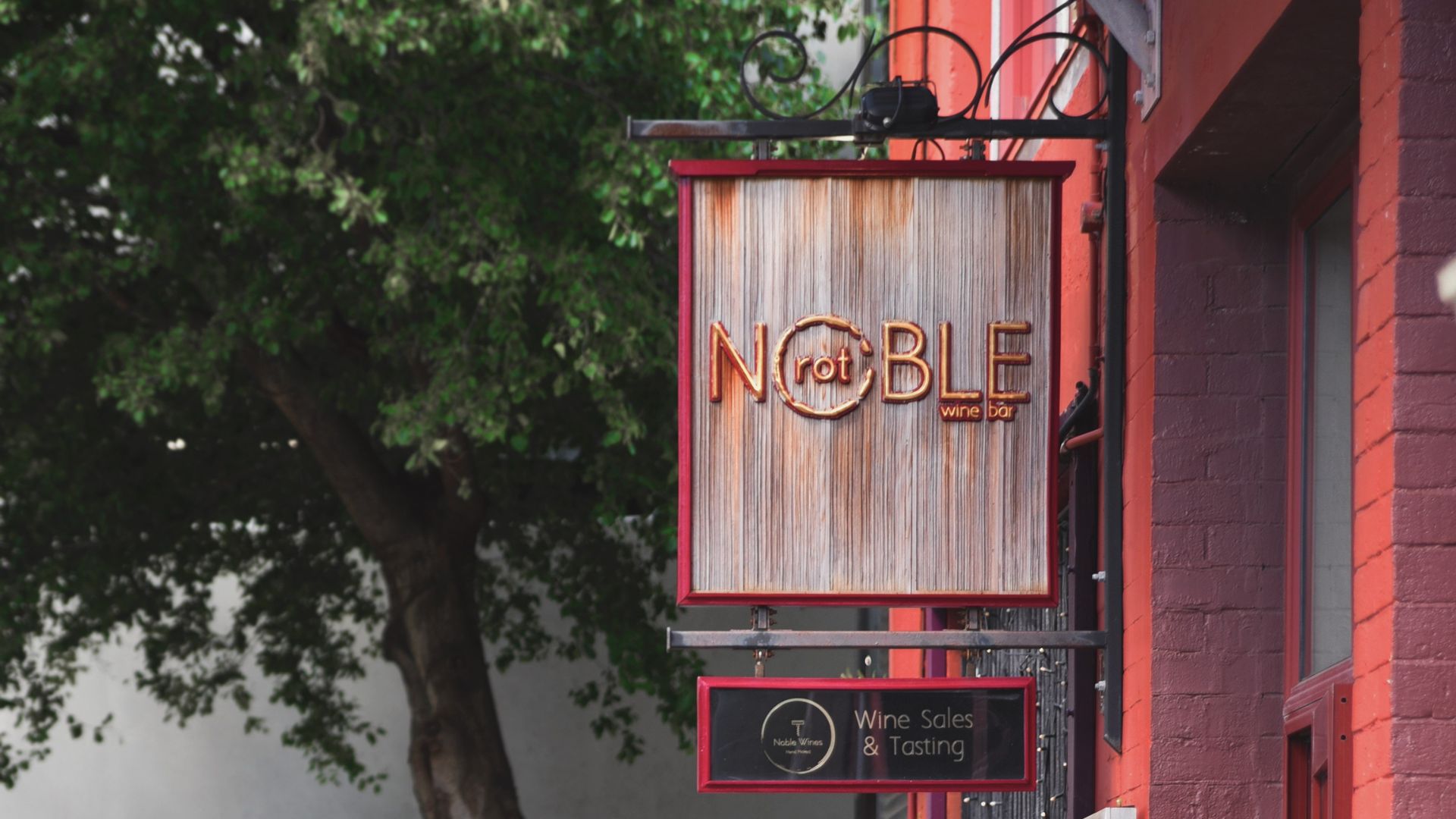
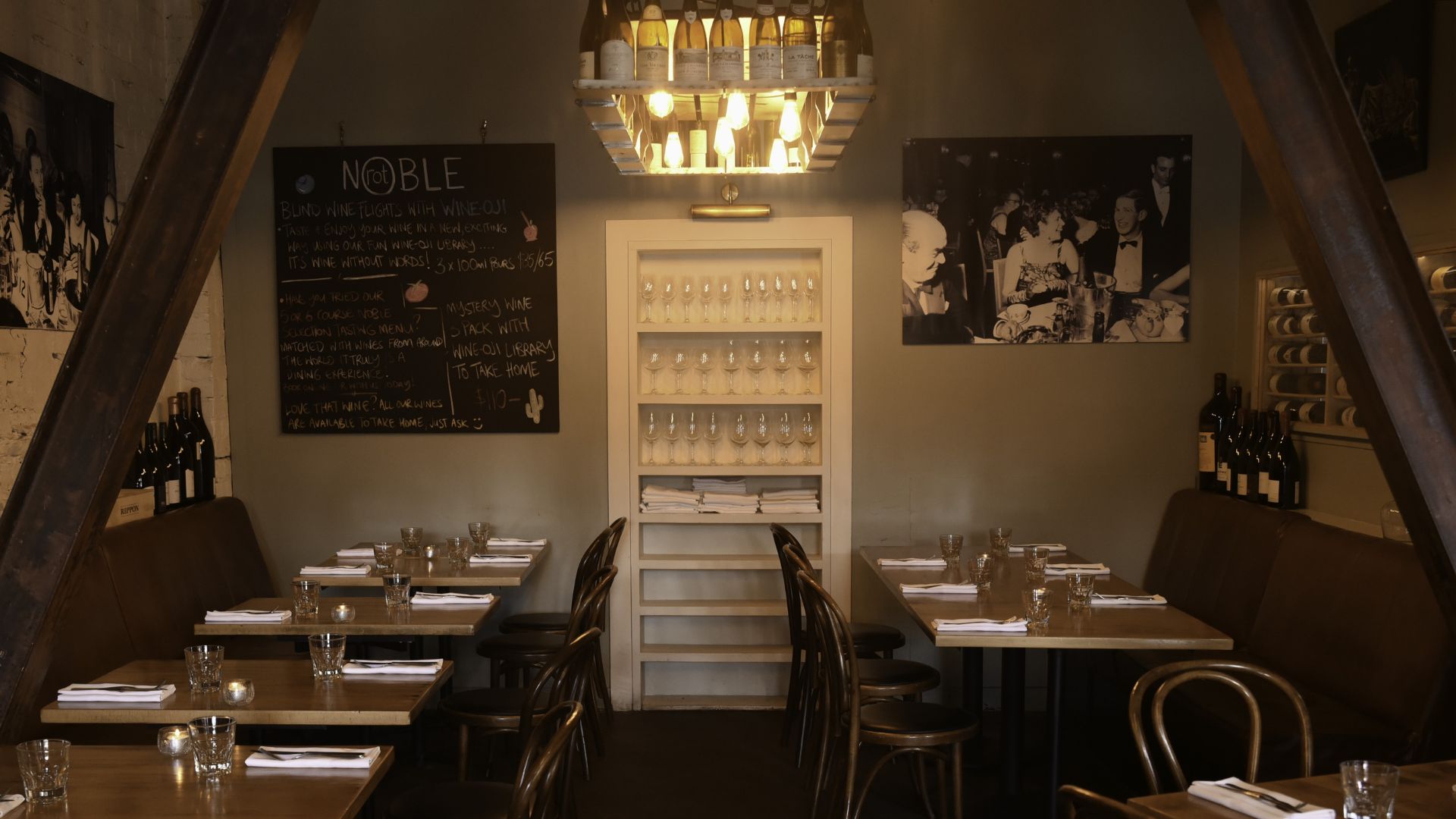
Mentzas is now the head chef at the Noble Rot Wine Bar, a highly acclaimed restaurant in Wellington. He said that he has finally landed a job in his career that he thoroughly enjoys. He said whilst he has the opportunity to experiment with his cooking and has the full confidence of the owners and other kitchen team, he is still aware that previous chefs have built the reputation of the Noble Rot. It is his responsibility to preserve the legacy.
Nicholas Mentzas said that, hopefully, his time in the industry will allow him to achieve his biggest goal in life; to retire on the Amalfi Coast.
To read more from the Meet the Chef series, click here.