Homegrown has locked in its return to Hamilton, giving operators a date to plan around following on from its successful move this year.
Few events can pull 25,000 people into a city in a single day and hold them there. For hospitality operators, that concentration of demand is rare, and it comes with a short window to get it right.
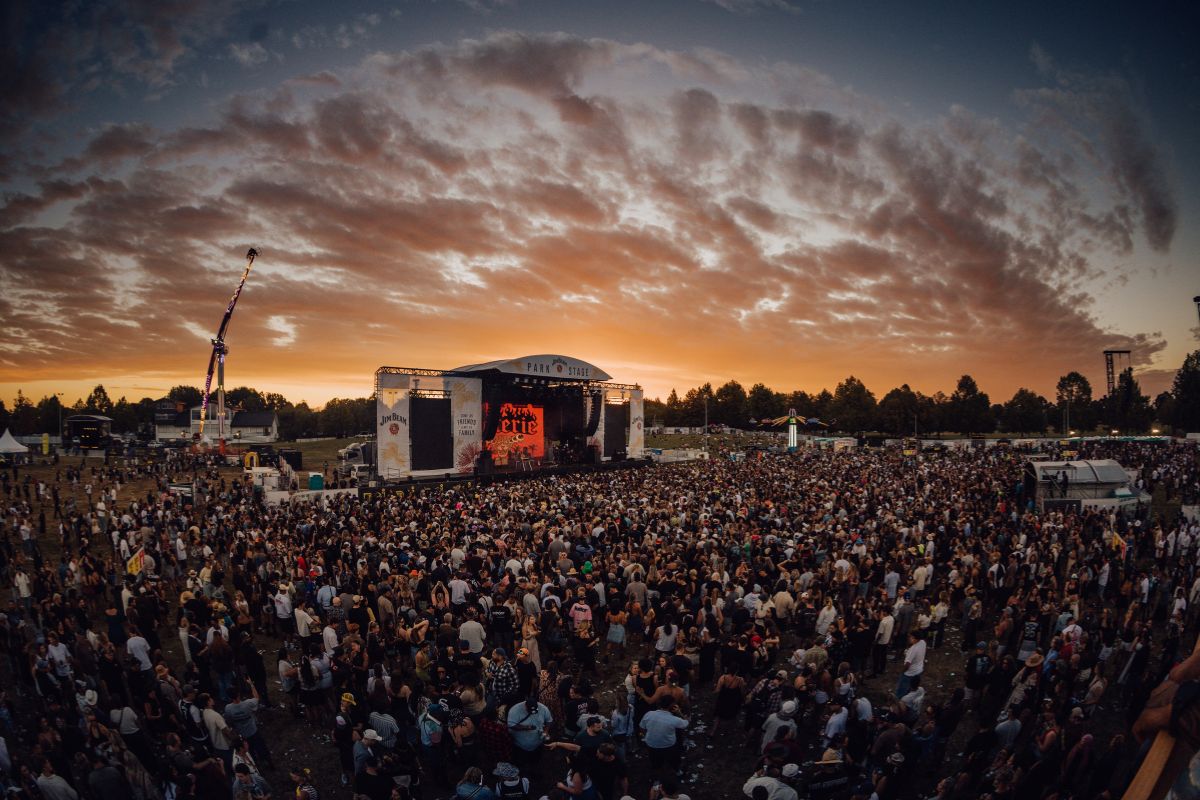
Jim Beam Homegrown 2027 has confirmed it will return to Claudelands Oval in Kirikiriroa Hamilton on Saturday 3 April 2027, following a strong first run in the city.
For operators across accommodation, foodservice, and late-night venues, this confirmation matters. It sets a fixed point on the calendar where demand will spike, not just in volume but in timing. Pre-event trading, post-event flow, and extended dwell time all come into play.
Andrew Tuck, CEO of Jim Beam Homegrown, said the move to Hamilton delivered on expectations and opened up further growth.
“We always believed Hamilton was the right move for Homegrown, and last year proved it,” said Tuck.
“There was a real energy from the city, the fans, and the artists. Locking in 2027 is about building on that and continuing to grow it.”
The 2026 event drew around 25,000 attendees. That scale is where the commercial opportunity lies. It is not just about foot traffic, it is about density and behaviour. Large-format events shift how people spend. They arrive earlier, stay later, and are more likely to trade across multiple venues.
Hamilton’s layout is part of the equation. Claudelands allows for a contained festival footprint, but the surrounding hospitality network carries the overflow. Cafés pick up early trade, quick service operators see volume between stages, and bars benefit once the gates close.
Tuck said the move north enabled the festival to expand in a way that was not possible previously.
“Hamilton gives us the room to go bigger,” he said. “The space, the layout, and the support from the city allowed us to take Homegrown to another level. We’ve got bigger plans for 2027.”
That signals a likely increase in capacity or activation, both of which flow directly into hospitality demand.
There is a second layer to this. Events of this scale are not just one-day opportunities. They influence forward bookings and group travel decisions. Accommodation providers see it first, but restaurants and cafés benefit from extended stays, particularly if programming builds around the core event.
For operators, the lead time is where the advantage sits. With the date now set, decisions on staffing, menus, and service models can be made early. Simplified ranges, faster throughput, and clear pricing tend to outperform on high-volume days. The temptation to overextend the offer often slows service and limits total take.
Ticketing is already moving into the market, with loyal fan registrations opening ahead of a May release tied to New Zealand Music Month. That early release cycle brings forward visitor planning, which in turn brings forward booking behaviour.
“Homegrown has always been about more than just music,” said Tuck.
“It’s about bringing people together. You show up with your crew, and by the end of the day, you’ve got a few more.”
For the city, that translates into a concentrated trading window. For operators, it is a defined opportunity. The outcome will not be decided on the day itself, but in how well businesses prepare for the volume, the pace, and the type of customer the event brings in.
Subscribe to the Restaurant & Café newsletter for weekly industry updates and event coverage.