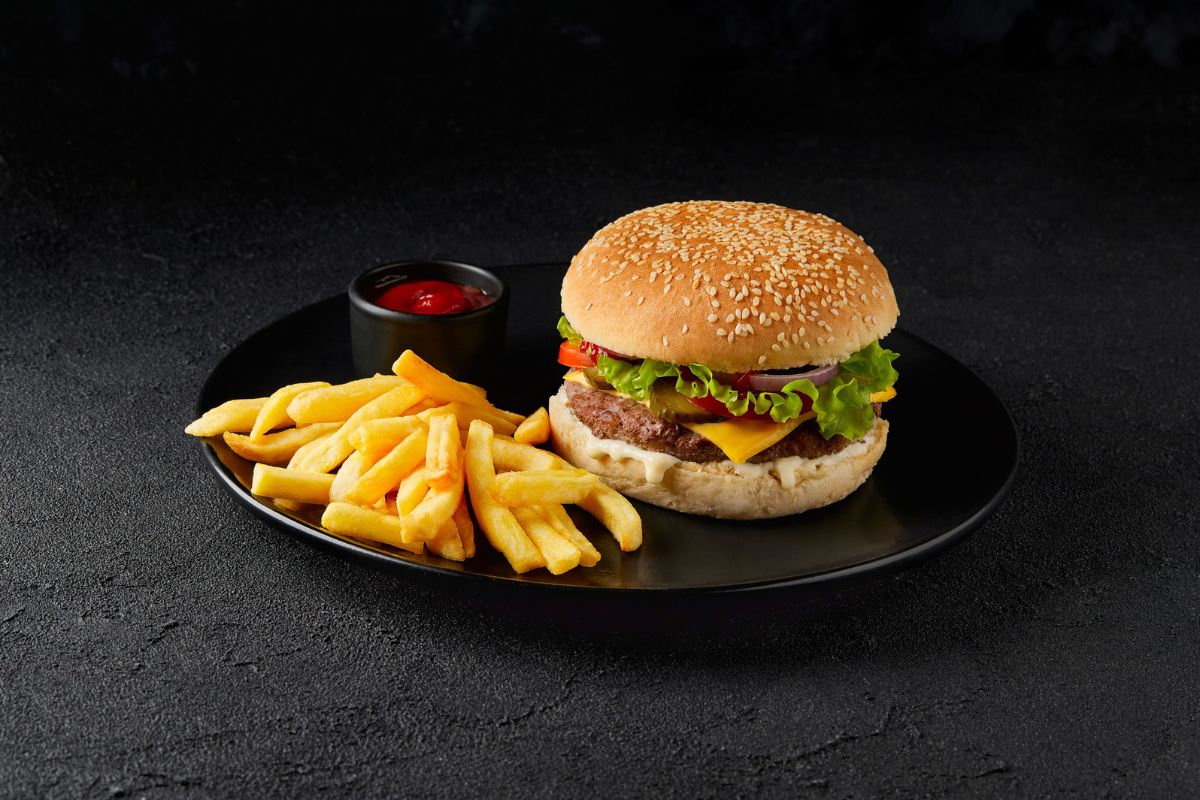
A customer can buy a burger from a restaurant or QSR, collect it from a fast-food outlet, or make something similar at home.
For hospitality operators, the commercial question is what makes their version worth ordering when customers weigh price against the food and the work saved.
Toluna’s September New Zealand consumer survey shows those choices coexisting. Among 508 respondents who had bought food or drinks from a fast-food outlet in the previous three months, 45.7 percent had made a homemade version when wanting a burger or fast-food-style meal.
Some 59.1 percent had bought from a quick-service restaurant, while 30.9 percent had bought from a café, pub, or restaurant.
Respondents could select more than one answer. This suggests customers use different options, rather than proving that home cooking is taking business away from hospitality. It does, however, put the homemade alternative in the consideration set for operators deciding what to serve and how to price it.
Lower cost was the most frequently selected reason for choosing an at-home alternative, cited by 53.7 percent of the 82 respondents who answered that question. Healthier options, better taste, and better quality also appeared. The small base requires care, but it challenges any assumption that the home option appeals solely because it saves money.
A restaurant meal has to justify its cost through what arrives on the plate and the experience of ordering it. That might be a well-cooked patty, a combination the customer would not bother preparing, or simply the pleasure of being served a reliable favourite. An elaborate description will do little for a burger that is awkward to eat or disappointing by the time it reaches the table.
Taste and quality featured prominently in respondents’ judgements of fast-food value. Good taste was selected by 46.3 percent of 508 respondents, good quality by 42.9 percent, and low price by 31.3 percent. Multiple answers were permitted, so these factors can work together rather than compete for the customer’s attention.
Customers also showed a measured willingness to pay more. For a quick-service burger offering noticeably better taste or quality, 33.1 percent selected a premium of up to five percent and 27.6 percent selected six to 10 percent. Another 16.3 percent would pay nothing more.
These answers concern fast-food burgers, but they give restaurant and café operators reason to test a premium carefully rather than assume a better ingredient will justify the added cost.
The flavour results suggest that a new burger need not require a complete departure from the existing menu. Garlic aioli led the proposed sauces at 38.8 percent among 547 respondents, while crispy or caramelised onions and bacon led the topping ideas. Brioche and wholemeal or seeded options attracted the most selections among the proposed buns.
For a kitchen, a new combination's value also depends on how well it fits the operation. An ingredient already used elsewhere on the menu may allow a different burger without creating another slow-moving stock line. A topping that needs extra preparation has to earn that labour through the selling price, demand, or use in other dishes.
Limited-time specials attracted the largest share of responses when people were asked which innovation would most encourage them to try a new fast-food burger. They were selected by 26.5 percent, followed by a new sauce or flavour at 21.4 percent. That gives operators a useful basis for a trial, provided the special has a clear purpose and can be delivered consistently.
The measure comes after the first order. Sales, preparation time, ingredient waste, and customer response can show whether the burger deserves a permanent place or has done its job as a short promotion. A popular special that complicates service or leaves unused stock needs a different calculation from one that earns its margin using the kitchen’s existing ingredients.
The homemade alternative will remain an option for customers; however, operators can give them a reason to order by making the meal enjoyable and dependable, and, importantly, priced in a way the business can sustain.
The decision is which burger improvements customers will value enough to return for.
What makes a meal good value
Taste and quality were selected more frequently than low price when respondents assessed value in a fast-food burger or similar meal.
Innovations that encourage trial
A limited-time special was the most frequently selected encouragement to try a new fast-food burger, followed by a new sauce or flavour.
Willingness to pay more
For noticeably better burger taste or quality, 33.1 percent would pay up to five percent more, while 27.6 percent selected six to 10 percent more.
More industry insights here