USA | The foodservice packing market has been valued at over $67 Billion, with further growth expected over the next nine years.
A recent industry report by Fact.MR estimated the global foodservice packaging market size to be valued at US$ 67.9 billion in 2024. The market is projected to grow at a compound annual growth rate of six percent, reaching US$ 121.7 billion by 2034.
Due to shifting customer preferences and the ever-changing demands of the food sector, the market has experienced substantial development and evolution. This market includes a broad range of packaging options made to specifically address the need of different foodservice businesses, such as cafes, restaurants, fast-food outlets, and catering services.
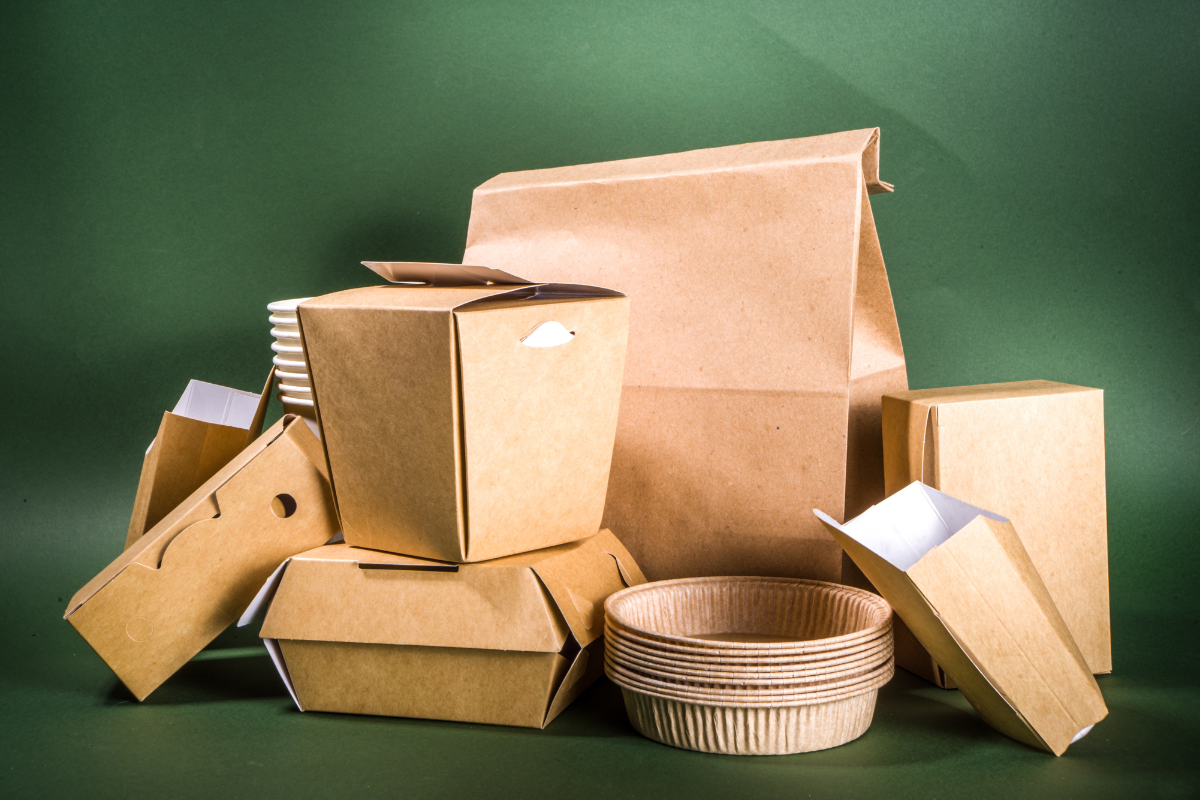
The need for easy and environmentally friendly packaging solutions is being driven by the growing trend of on-the-go dining and the expansion of online food delivery services. As environmental concerns have grown, sustainable packaging materials—such as compostable and biodegradable options—have become more popular.
Advancements in packaging technologies, such as barrier coatings and intelligent packaging, are contributing to the market's expansion. The global foodservice packaging market is characterised by a competitive landscape where key players are focusing on innovation, product differentiation, and sustainability to gain an edge.
“Technological advancements in the foodservice packaging market are enhancing consumer convenience and driving product sales by offering sustainable solutions,” a Fact.MR analyst spokesperson said.
Key companies in the industry are joining forces by merging and acquiring other companies. They are also launching new products to make their position stronger and grab a larger share of the market. The report outlined how in 2022, Sabert Corporation revealed its latest product line, the Kraft Collection. This collection comprised a diverse range of food packaging solutions crafted from corrugated and paperboard materials. Notably, these packaging options are designed to be recyclable and compostable, featuring post-consumer fibre content, aligning with Sabert's enduring dedication to sustainability.
Also in 2022, Amcor introduced a new series of paper-based packaging products called AmFiber. This platform underscores Amcor's commitment to consumer-centric and adaptable innovation. AmFiber seeks to redefine the capabilities of traditional paper packaging by offering a broader range of features and functional benefits, addressing the evolving needs of consumers.
According to a recent analysis by Fact.MR, a leading provider of market research and competitive intelligence, East Asia is anticipated to capture a significant 20.3 percent share of the global market by 2034. The presence of foodservice packaging producers across various regions globally, including Southeast Asia, Central and South America, and Australia, has enabled market players to cater to the growing demand while reducing reliance on specific sourcing locations.
In North America, the United States dominates the foodservice packaging market, accounting for a substantial 89.9 percent market share. Economic conditions play a pivotal role in shaping consumer spending habits and overall demand for packaged food. Additionally, regulatory frameworks and environmental policies drive producers towards sustainable and compliant packaging solutions. Evolving consumer preferences, particularly a rising demand for convenient on-the-go packaging options, further influence market dynamics.
More news here.