In commercial kitchens, frying oil is often treated as a background ingredient; out of sight, out of mind.
According to Barry Fryer, National Account Manager for Food Equipment at J.L.Lennard, oil management is one of the most important and frequently overlooked factors influencing food quality, kitchen safety, and operating efficiency.
Operators, he said, need to remain vigilant. Oil is not a static ingredient. It is constantly changing under heat, interacting with food, coatings, and moisture. Without proper management, it can quickly degrade, affecting not only flavour and texture but also customer perception. J.L.Lennard typically warn clients that the fastest way to degrade oil is to reference the W.A.S.H. acronym, “water, air, salt and heat”.
“Ideally, oil should be filtered regularly throughout the day,” Fryer said, to achieve extended usable oil life.
“There is nothing more off-putting to a customer than the smell or taste of unfiltered oil on the plate.”
Frequent filtration removes crumbs, carbon deposits, and microscopic debris that accelerate oil breakdown. Left unchecked, these particles burn and contaminate the oil, creating bitter flavours, a darker colour, and inconsistent cooking performance. For operators serving fried staples such as French fries, chicken, or seafood, this can directly undermine product quality and repeat business.
While filtration schedules will vary depending on menu volume and product type, Barry emphasised that any kitchen producing fried food should treat oil filtration as a routine operational task rather than an occasional maintenance step. The difference is immediately visible in the final product. The use of commercial oil testers is one of the easiest ways to immediately identify room for improvement.
“When oil is properly maintained, food cooks more evenly, absorbs less fat, and delivers the crisp finish customers expect.”
Despite its importance, he noted that many operators still underestimate the role of filtration or lack a clear understanding of how their filtration systems work. This can lead to oil being discarded far earlier while it still has plenty of optimal life, resulting in higher costs, poorer food quality, and avoidable safety risks.
Technology, however, is making oil management easier and more consistent than ever before. Modern fryer systems, such as the Henny Penny brand, now include built-in automatic filtration, already being embraced widely by the largest fast food chains globally for some time now, eliminating the need for manual filtering as a whole. Oil extender products have also found an important place in modern-day fried food environments, enabling oil life extensions of 40 percent as experienced using the “Prime Filter” range.
“Some traditional fryers require manual filtering and oil changes two to three times a week,” he said.
“By comparison, self-filtering fryers can maintain oil freshness and quality for 14 days or more, proven in many customers' businesses around New Zealand, saving valuable cost, time, and resources, let alone the health and safety of handling oil.”
These systems continuously remove debris and maintain cleaner oil conditions, extending oil life while reducing labour demands. For busy kitchens, this translates into improved consistency, lower oil consumption, and less operational disruption.
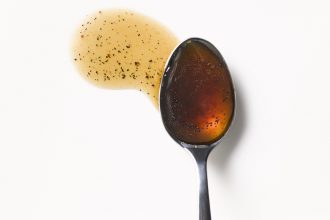
Visual cues also play an important role. Oil naturally darkens over time, but significant changes in colour or clarity are warning signs.
“If the oil becomes dark and starts emitting smoke, it’s time to replace it. When oil isn’t filtered regularly, food can absorb degraded fats, which affects flavour and overall quality.”
Beyond filtration, the way food is prepared before frying can significantly influence oil performance. Heavy batters and excessive coatings are common contributors to oil degradation. Loose particles break away during cooking, burning in the oil and accelerating contamination.
“Heavy coatings can cause oil to become foamy and unstable. This not only affects flavour and texture but also increases safety risks for operators.”
Proper preparation is essential. Removing excess coating before frying helps preserve oil integrity and ensures better cooking results. When coatings are applied correctly, they form a crisp barrier that seals moisture inside the food. Excessive batter, however, has the opposite effect.
“Too much coating prevents proper evaporation. Instead of crisping, it becomes doughy and absorbs oil, resulting in a greasy, heavy product.”
Over-coated food can also cook unevenly or separate entirely during frying, creating waste and further contaminating the oil. Loose debris accumulating in the fryer accelerates oil breakdown and increases maintenance requirements.
Maintaining correct oil levels is another critical factor. Both underfilling and overfilling can compromise performance and safety.
“Chefs should always ensure oil is at the correct level. Incorrect levels affect cooking consistency and can expose fryer elements or burners, which is dangerous.”
One of the most significant advancements in recent years has been the introduction of automated oil level management systems. Automated “oil top-up” technology ensures oil remains at the correct levels without manual intervention, reducing handling risks and maintaining consistent performance throughout service. This technology is led by Henny Penny fryers and removes yet another often missed and crucial task in modern-day commercial kitchens where frying takes place.
“Newer systems automatically refill oil to the correct level and also have the feature to automatically manage oil disposal. This removes guesswork and helps operators maintain quality standards with less effort.”
For operators, the message is clear. Oil is not simply a consumable; it is a critical component of food quality and kitchen performance. Proper filtration, careful preparation, and modern equipment can dramatically improve results while reducing costs and safety risks.
In an industry where consistency is everything, oil management is not a minor detail. It is a daily discipline that directly shapes the customer experience, plate after plate.
Contact J.L.Lennard and elevate your kitchen solutions.