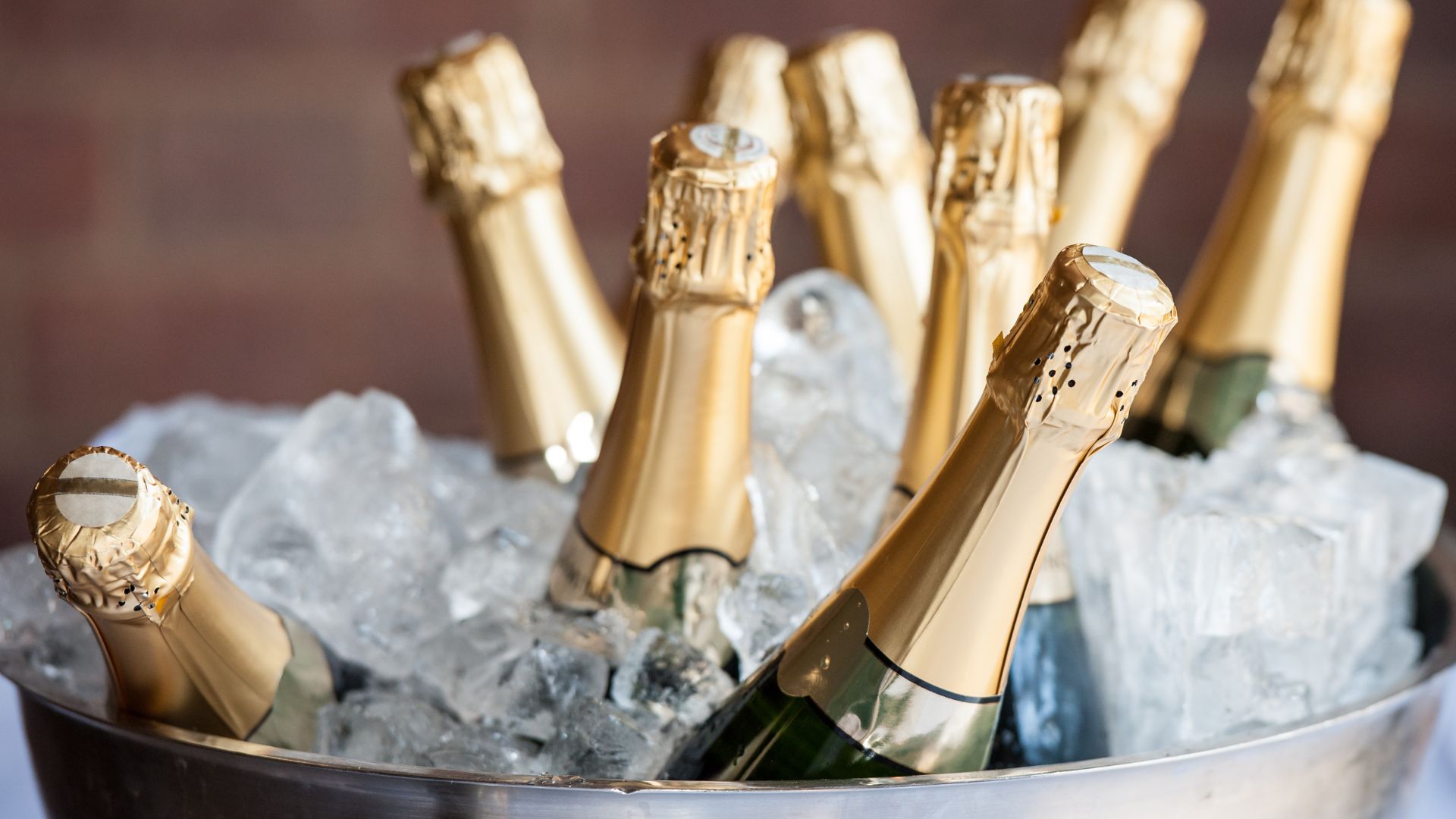
The global champagne market size is estimated to grow by USD 2.51 billion from 2024-2028, according to a new report by Technavio. The market is estimated to grow at a CAGR of six percent during the forecast period.
The global champagne market experiences growth due to the convenience and expansive choices offered by online shopping. Consumers compare prices on various champagne types, such as Blanc de Noirs and Demi-sec, and benefit from operational efficiencies and customised offerings.
Key trends include the expansion of on-trade and off-trade channels, cultural acceptance, and the increasing popularity of Prestige cuvée. The industry adapts to evolving retail landscapes, enabling vendors to target new segments and retain customers, regardless of geographical boundaries. Additionally, product innovations, such as vegan ingredients, and regional tourism contribute to market growth. Key champagne categories include Brut, Rosé, and Blanc de Blancs, with UNWTO data indicating potential for segmentation and import-export opportunities.
The champagne market faces increasing competition from various sparkling wines, particularly prosecco, due to champagne's high prices. Inflation and supply shortages contribute to these prices. Consumers seek cheaper alternatives, such as liquor spirits, for special occasions and celebrations. Blanc de noirs, Demi-sec, and Prestige cuvée are champagne varieties, while On-trade and Off-trade refer to sales channels. Cultural acceptance and taboo influence consumption.
Grape varieties and processes shape branding and advertising. Royalties, wine cellars, and wine tasting shows impact exporters. Travel restrictions, economic recovery, and luxury consumption affect market potential. Premiumisation, regional tourism, and UNWTO data influence segmentation. Brut and Rosé champagnes, Blanc de Blancs, and product innovations continue to shape the market landscape.
The Champagne market has encompassed special occasions and product innovations, with a focus on vegan ingredients to cater to diverse consumer preferences. Ruinart Champagne, known for its elegance and sophistication, is a popular choice for such events. Online retailing has significantly expanded the market's reach, allowing consumers from airport expansions and beyond to purchase these premium beverages.
European consumption remains high, with a trend towards premiumisation driving growth. UNWTO data indicates a segmented market, with Brut, Rosé, Blanc de Blancs, Blanc de noirs, Demi-sec, Prestige cuvée, and other varieties catering to different consumer tastes. The on-trade and off-trade sectors continue to dominate sales, with casual meetings and consumption driving demand in bars and restaurants. Import-export potential remains strong, making the Champagne market an attractive business proposition.
To read more bar and beverage news, click here.