USA | Innovation has led to a bright future for commercial beverage dispensers according to new research outlining industry trends.
The global commercial beverage dispensers market size is estimated to grow by USD 196.9 million from 2024 to 2028, according to a new report from Technavio.
The market is estimated to grow at a CAGR of 4.36 percent during the forecast period. The growing online presence of vendors that offer commercial beverage dispensers has driven market growth, with a trend towards vendors focused on developing commercial beverage dispensers with improved connectivity options. However, low product replacement cycle poses a challenge.
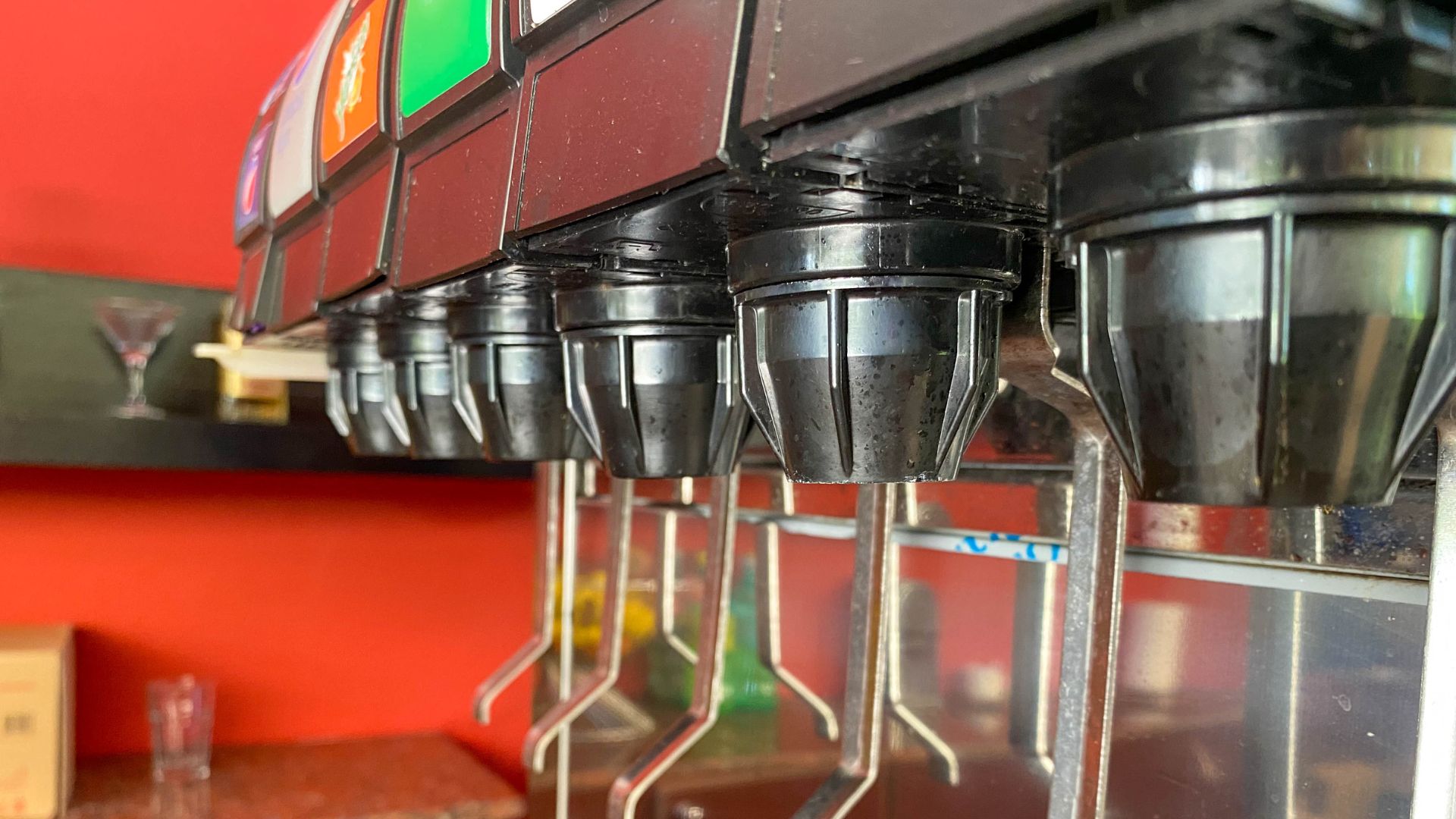
Food service establishments, theatres, amusement parks, and other end-users prioritise investing in advanced commercial beverage dispensers to enhance consumer experience. Vendors of soft drink dispensers, such as The Coca-Cola Company, are responding by introducing innovative models.
For instance, the new Freestyle 9100 dispenser includes a touchscreen and Bluetooth connectivity. Consumers can connect to the Freestyle mobile application, eliminating the need to queue up. The company is also adding audio capability to the equipment. In the coming years, more vendors will develop soft drink dispensers with improved connectivity options, fueling market growth.
The commercial beverage dispenser market is thriving with trends like natural teas and low-calorie drinks. Customers seek customisation options, energy-efficient technologies, and eco-friendly designs. Recyclable materials, IoT, temperature control, real-time monitoring, and data analytics are key features. Juices, coffee, cocktails, and soft drinks are popular beverages dispensed.
Premium and stylish dispensers come in plastic and stainless steel, BPA-free, for foodservice industries such as restaurants, cafes, bars, hotels, convenience marts, and entertainment hubs. High-capacity and high-tech models cater to various business sizes. Trends include water-saving measures, touchless dispensing systems, and smart connection features. Specialty dispensers offer smoothies, slushies, frozen cocktails, and more.
The replacement cycle for commercial beverage dispensers is characterized by infrequent purchases due to the durability and superior build quality of these products. With a lifecycle ranging from 10 to 30 years, these dispensers are typically replaced after extended periods. While some high-end models can be considered one-time investments, regular maintenance and cleaning are essential to ensure their continued functionality. The minimal maintenance and replacement costs contribute to the low replacement cycle, posing a significant growth barrier for the commercial beverage dispenser market.
The Commercial Beverage Dispensers market faces several challenges for various industries, including food service businesses and retail sectors. Start-ups enter the market with automated portion control dispensers, integrating IoT and mobile apps for customer convenience. Electric and plastic beverage dispensers are popular choices due to their user-friendliness and affordability. Fountain dispensers cater to non-alcoholic beverages in convenience shops, malls, and recreational locations. Self-cleaning technology and automated gadgets ensure food safety and hygiene. Food safety is crucial for all types of beverages, including non-alcoholic drinks, coffee, and alcoholic beverages like beer, wine, and black spirits. Sustainable and eco-friendly products made of materials like metal, glass, acrylic, polycarbonate, and polyurethane are gaining popularity. Customer selections range from liquids in bottles and containers to healthier options like fruit-infused water. Workplaces, dining establishments, catering events, and self-service kiosks all require beverage dispensers that meet their unique needs. Health issues and disposable cups are also considerations for the market.
More news here.